
Kidepo Valley National Park
Overview
Travel Guide to Kidepo Valley National Park
Find a comprehensive travel guide created to assist you in planning a memorable wildlife safari in Kidepo Valley National Park. This thorough book examines Kidepo as a premier safari site, emphasizing its main draws, which include a wide variety of animals, abundant birds, and breathtaking scenery. It also describes the safari experiences and tourism activities that are available, lodging choices, the best time to go, and useful details about how to get to the park.
Geographical Location of Kidepo in Uganda
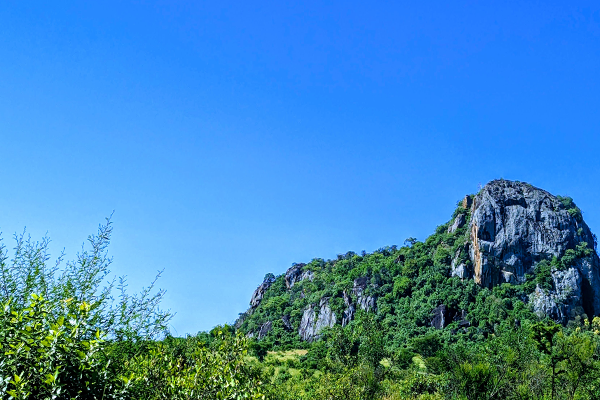
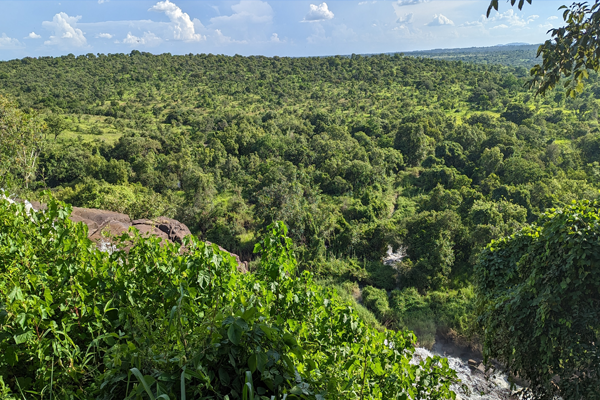
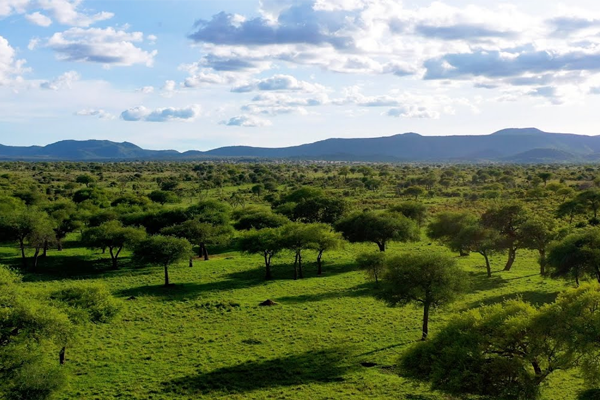
Situated in the isolated Karamoja area of northeastern Uganda, Kidepo Valley National Park features scenery that is strikingly similar to the vast plains of the picturesque Maasai Mara National Reserve. It is one of the few protected sites that allows tourists to fully experience an unspoiled natural environment. The park is part of a continuous ecosystem with Kidepo Game Reserve across the border, and it shares a northern boundary with South Sudan. Kidepo, which is surrounded by semi-arid valleys, was designated as a national park in 1962. Kidepo Valley National Park is around 1,442 square kilometers in size and has an elevation range of 914 to 2,950 meters above sea level. It is the perfect place to experience the true wilderness of the Karamoja area because of its landscape, which consists of vast savannah grasslands, steep escarpments, and parched valleys. key attractions in Kidepo Valley National Park
The Wildlife to See
Kidepo Valley National Park is one of Uganda’s most wildlife-rich protected regions, home to over 77 animal species and around 475 bird species. Numerous species, including gazelles, dik-dik, eland, lesser and greater kudu, klipspringers, oribi, mongooses, striped jackals, aardwolves, spotted hyenas, cheetahs, caracals, bat-eared foxes, leopards, lions, and African wild dogs, may be found in the park. Kidepo’s remarkable biodiversity is further highlighted by the fact that it is home to five different primate species, including the patas monkey and Kavirondo bush baby.
The Birds of Kidepo
More than 475 different kinds of birds may be seen at Kidepo Valley National Park, making it a fantastic place for birdwatchers. The Abyssinian scimitarbill, Karamoja apalis, Egyptian vulture, dark chanting goshawk, golden pipit, eastern violet-backed starling, Taita fiscal, rufous chatterer, Kori bustard, slate-colored boubou, yellow-billed shrike, rose-ringed parakeet, and many more are among the diverse array of birds that can be found in the park. Little green bee-eaters, purple grenadiers, pallid harriers, Jackson’s hornbills, and northern carmine bee-eaters are among the other noteworthy species that can be found in Kidepo and contribute to the park’s great bird diversity.
Game drive excursions
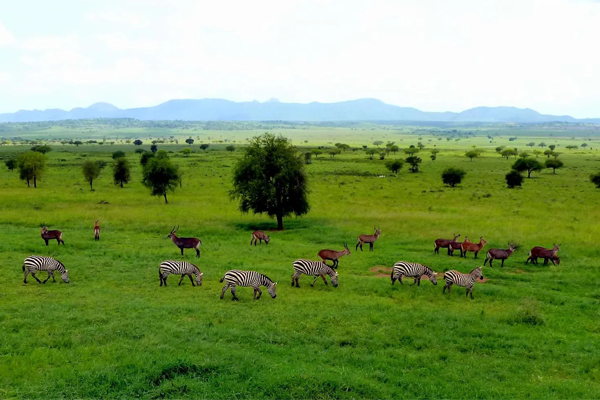
Discover the vast savannah grasslands of Kidepo Valley National Park for amazing animal encounters. In addition to seeing a vast range of savannah animals including reedbuck, leopards, Cape buffaloes, Burchell’s zebras, Jackson’s hartebeest, cheetahs, and many kudu species, a trip to Kidepo delivers a profound sense of wildness. The ideal way to experience guided game drives is in a 4×4 safari vehicle, which provides comfortable access over the park’s vast landscape. The Narus Valley and Kidepo Valley, both of which are renowned for their profusion of wildlife, are the most rewarding locations for game viewing. The Narus Valley is particularly good for seeing birds including ostriches, hoopoes, and Karamoja apalis.
Bird-watching tours
In Kidepo Valley National Park, a guided birding trip provides outstanding chances to see a variety of bird species. The black chanting goshawk, Kori bustard, ring-necked spurfowl, Karamoja apalis, eastern violet-backed starling, Clapperton’s francolin, and red and yellow barbets are just a few of the species that visitors may see. With a variety of avian habitats, the park offers a number of excellent spots for birdwatching, such as Apoka Rest Camp, Namamukweny Valley, and Narus Valley. While Apoka Rest Camp is home to species like scarlet-chested sunbirds, silverbirds, yellow-rumped seed-eaters, purple herons, and small weavers, birdwatchers can see eastern paradise whydahs, green wood hoopoes, and white-crested turacos along the Namamukweny Valley.
Bush walking tours
In Kidepo Valley National Park, guided nature walks provide tourists access to some of the park’s best spots for seeing birds and wildlife. Guests may explore the country on foot during these walking safaris, which are held in strategic sites including the Narus Valley, Namamukweny Valley, Mount Morungole, and Mount Lomej. The Narus Valley is a popular route for both walking trips and wildlife drives because of its gorgeous Narus River and broad savannah grasslands. Leopards, buffaloes, lions, cheetahs, reedbuck, Jackson’s hartebeest, and oribi are just a few of the many species that may be seen on this path, providing rich and unforgettable experiences.
Along with several other wildlife species that may be found throughout the park, Kidepo Valley is especially well-known for its ostrich population. The Ik people reside close to the peak of Mount Morungole, which rises to a height of around 2,750 meters. The Lomej Hills, which surround Kidepo Valley National Park, offer great chances to see reedbuck and other antelope species. As a great spot for birdwatching, Namamukweny Valley is a must-visit location for park birding trips. A diverse range of primates, particularly colobus monkeys, may be seen atop Mount Lonyili, which is located near the border between South Sudan and Kitgum District.
Cultural/Community Experiences
Beyond wildlife game drives, a visit to Kidepo Valley National Park offers unforgettable cultural and communal experiences. Cultural safaris provide tourists a glimpse into the customs of native people like the Ik and Karamojong. For a genuinely engaging experience, cultural aficionados can participate in guided excursions or climbs to the peak of Mount Morungole, where the Ik people live on its picturesque slopes.
The Best Time to Tour Kidepo National Park
The ideal time to visit Kidepo Valley National Park should be taken into account while planning a safari there. Although it is feasible to visit Kidepo at any time of year, the best times to see animals are during the dry season. The best dry months are usually December through March and June through September, when it’s easier to see wildlife. Although safaris may still be scheduled during the rainy season, travelers should anticipate periods of intense precipitation that could impact their plans and travel.
Where to stay
Budget, mid-range, and luxury lodging choices are available for visitors to Kidepo Valley National Park. For overnight accommodations, the park provides a range of lodges and safari camps, including as Katurum Lodge, Apoka Rest Camp, Adere Safari Lodge, Zebra Safari Lodge, and Kidepo Savanna Lodge, each of which accommodates varying levels of comfort.
How to reach Kidepo National Park (Uganda)
Getting to Kidepo Valley National Park
Road travel to Kidepo Valley National Park usually takes 10 to 12 hours. Air travel is another option. There are two primary route possibilities for the journey, which follows Uganda’s northeastern tourism circuit. From Kampala, one route travels through eastern Uganda, while the other route travels north along the Kampala–Gulu expressway. Along the trip, both routes provide opportunity for stopping excursions and beautiful scenery. For a quicker and more convenient trip, passengers can also choose for a local flight from Entebbe International Airport (EBB), which lands right at Kidepo Airstrip.
In conclusion
Explore and take in Kidepo Valley National Park’s breathtaking scenery, which is well-known for its rich birds and stunning fauna. Make your Kidepo safari reservation now to take part in an amazing wildlife watching experience in one of Uganda’s most breathtaking locations.

Get A Questions
Embrace the journey of reconnecting with nature and the wild spirit within yourself.
Experience Tranquility, Discover Your Perfect Nature Retreat
your door to exceptional natural life encounters and gorilla trekking experiences in East Africa.