Chimpanzee Trekking in Africa: The Ultimate Guide to Uganda & Rwanda Safaris with Silverback Gorilla Tours
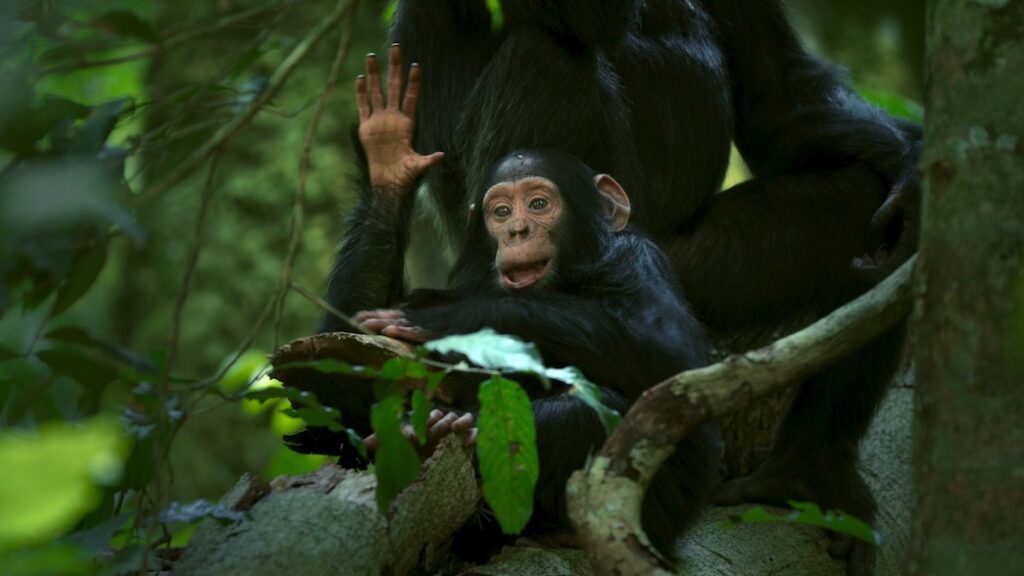
Chimpanzee Trekking in Africa: There is something extraordinary about locking eyes with a wild chimpanzee. Unlike gorillas, which are calm and methodical, chimpanzees are energetic, vocal, and constantly on the move.
The forest echoes with their distinctive calls, branches shake overhead, and suddenly you’re standing beneath a troop of our closest relatives in the wild.
This electric encounter makes chimpanzee trekking in Africa one of the most exciting, fast-paced primate adventures—and arguably one of the most rewarding wildlife experiences you can have on the planet.
At Silverback Gorilla Tour, we organize unforgettable chimpanzee trekking safaris in Uganda and Rwanda, combining expert guiding, conservation awareness, and seamless travel planning.
Whether you’re a first-time primate enthusiast or a seasoned wildlife photographer, our chimpanzee trekking packages are designed to deliver an authentic, responsible, and adrenaline-filled African safari experience.
Where to Go Chimpanzee Trekking in Uganda & Rwanda: Top Destinations
Chimpanzees are found in several protected forests across East Africa, but the best chimpanzee trekking destinations offer high sighting success, habituated troops, and accessible trails.
Here are the top locations for chimpanzee trekking in Uganda and Rwanda:
1. Chimpanzee Trekking in Kibale Forest National Park (Uganda)
Kibale Forest National Park is known as the “Primate Capital of the World” and remains the most popular destination for chimpanzee trekking in Uganda.
With over 1,500 chimpanzees living in the forest and multiple habituated communities, Kibale offers the highest tracking success rate in Africa.
Why choose Kibale Forest for chimpanzee trekking?
-
Large habituated chimpanzee communities: Multiple troops are available for tracking, increasing your chances of sightings.
-
High tracking success (over 90%): One of the best success rates for chimpanzee trekking Uganda.
-
Beautiful tropical rainforest ecosystem: Dense forest, diverse flora, and scenic trails.
-
Opportunity to see 12+ other primate species: Including red colobus, grey-cheeked mangabey, and black-and-white colobus.
-
Accessible from Kampala: Only 5–6 hours drive, making it perfect for short Uganda primate safaris.
2. Budongo Forest – Murchison Falls (Uganda)
Located near Murchison Falls National Park, Budongo Forest offers a quieter and equally rewarding chimpanzee trekking experience.
This forest is part of the larger Murchison Falls Protection Area and is perfect for travelers combining primates with a classic wildlife safari.
Highlights of Budongo Forest chimpanzee trekking:
-
Lower visitor numbers = more intimate experience
-
Combines chimpanzee trekking with buffalo, elephant, and lion sightings
-
Permit cost: $130–$150 per person (more affordable than Kibale)
-
Ideal for Uganda safari tours focusing on both primates and big game
3. Chimpanzee Trekking in Nyungwe Forest (Rwanda)
Nyungwe Forest National Park offers a unique Rwanda chimpanzee trekking tour experience with stunning highland scenery.
Unlike Uganda’s lowland forests, Nyungwe is a montane rainforest at 1,500–2,600 meters elevation, offering cooler temperatures and breathtaking canopy views.
Highlights of Nyungwe Forest chimpanzee trekking:
-
Early morning forest tracking: Start at 6 AM for optimal chimpanzee activity.
-
Scenic canopy walk: A 400-meter suspension bridge through the forest canopy.
-
Rich biodiversity: Over 200 bird species, 20+ mammals, and rare montane flora.
-
Ideal for combined Rwanda primate safari: Pair with gorilla trekking in Volcanoes National Park.
Permit cost: $150 per person for chimpanzee trekking Rwanda.
What to Expect During a Chimpanzee Trekking Safari
Your chimpanzee trekking safari begins early with a ranger briefing before entering the forest. Rangers will explain safety rules, chimpanzee behavior, and tracking protocols.
Unlike gorillas, chimpanzees move quickly and can travel up to 2–3 kilometers per day. Tracking them is more dynamic and adventurous, often involving steep climbs, river crossings, and dense undergrowth.
You may hear chimpanzees before you see them—loud pant-hoots echoing through the trees, a signature sound of chimpanzee trekking in Africa.
When you finally locate the troop, you’ll observe:
-
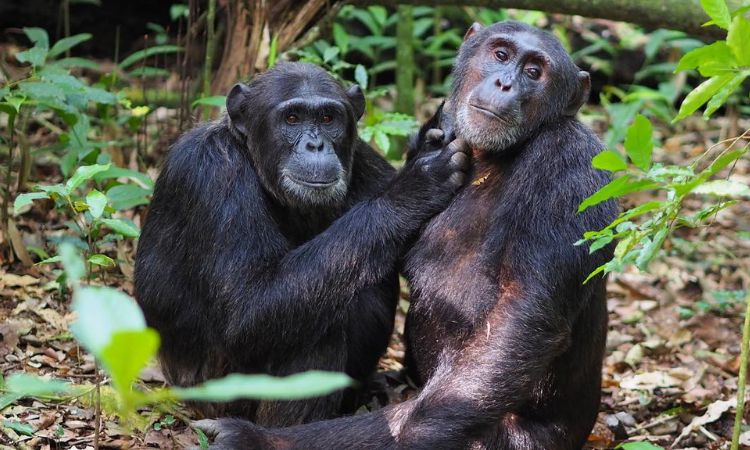
Chimpanzees grooming each other: Social bonding behavior that lasts hours.
-
Feeding in treetops: They consume fruits, leaves, bark, and occasionally insects.
-
Playing energetically: Young chimpanzees leap, swing, and chase each other.
-
Communicating with complex vocalizations: Over 14 distinct calls documented by researchers.
You are typically allowed one hour with the chimpanzees once located.
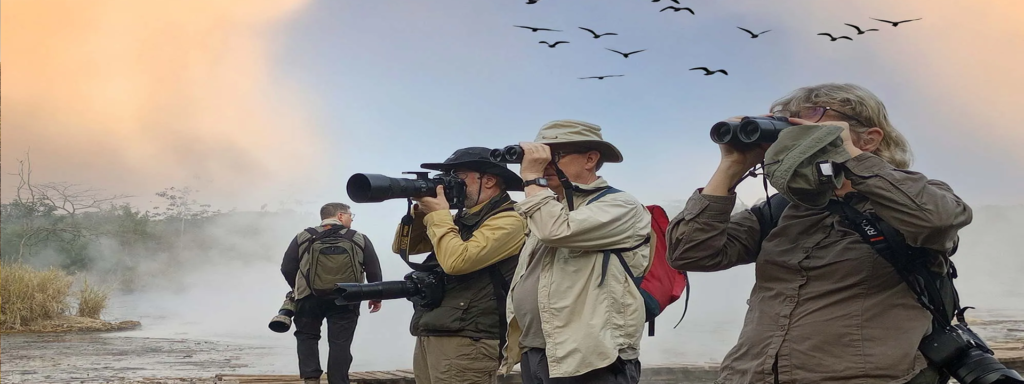
Because they are active and often in trees, photography requires patience and quick reflexes. A camera with strong low-light performance is essential due to the forest canopy.
How to Prepare for Chimpanzee Trekking: Essential Gear & Tips
Preparation is key for a comfortable chimpanzee trekking experience.
Here’s what to wear and bring:
What to Wear for Chimpanzee Trekking
-
Long-sleeved clothing: Protects against scratches, insects, and thorny vegetation.
-
Hiking boots: Waterproof, ankle-supporting boots with good traction.
-
Waterproof jacket: Rain is common in tropical forests, even during dry seasons.
-
Insect repellent: Prevents mosquito bites and tsetse fly encounters.
-
Hat & sunscreen: For exposed areas during open trail sections.
-
Camera (no flash): Essential for capturing chimpanzee behavior.
Important: No-Flash Photography Rule
During chimpanzee trekking in Africa, flash photography is strictly prohibited. Flash can disturb chimpanzees, alter their natural behavior, and cause stress.
Because tracking often happens under forest canopy with low light, a camera with strong low-light performance (e.g., Canon EOS R6, Sony A7 IV) is highly recommended. Natural lighting preserves both the moment and the well-being of the animals.
Age & Health Guidelines for Chimpanzee Trekking: Rules You Must Know
To protect both visitors and primates, strict rules apply to chimpanzee trekking in Uganda and Rwanda.
Minimum Age Requirement
The minimum age for chimpanzee trekking is typically 12–15 years, depending on the park:
-
Kibale Forest (Uganda): 12 years minimum
-
Budongo Forest (Uganda): 12 years minimum
-
Nyungwe Forest (Rwanda): 15 years minimum
Children under the age limit cannot participate due to the physical demands and safety risks of forest trekking.
Health Policy: Protecting Chimpanzees from Human Diseases
Chimpanzees are highly susceptible to human diseases, including respiratory infections, flu, and even common colds. If you are feeling unwell—even with a mild cold or flu—you may not be permitted to trek.
This rule protects the chimpanzees and supports responsible primate tourism. Rangers will conduct a brief health screening before entry.
Chimpanzee Trekking Permit Cost: Prices & What’s Included
A valid chimpanzee trekking permit is required for all tracks. Permit fees contribute directly to forest conservation, research programs, anti-poaching patrols, and community development.
Responsible chimpanzee tourism in Africa supports long-term conservation success.
Approximate Permit Prices for 2026
Permit fees include:
-
Ranger-guided tracking
-
One hour with chimpanzees
-
Conservation contribution
-
Park entry for tracking day
Permits are limited and sell out quickly, especially during peak seasons. Booking 3–6 months ahead is recommended for chimpanzee trekking Uganda and Rwanda.
Best Time for Chimpanzee Trekking in Africa: Seasonal Guide
Chimpanzee trekking is available year-round, but certain seasons offer easier hiking and better sighting conditions.
Best Seasons for Chimpanzee Trekking
-
June to September: Dry season with clear trails, less mud, and higher chimpanzee activity.
-
December to February: Another dry window with optimal tracking conditions.
Dry seasons offer easier hiking trails, but chimpanzees can be tracked in all months.
During rainy seasons (March–May, October–November), trails are muddy and slippery, but permits are cheaper and visitor numbers are lower.
Combine Chimpanzee Trekking with Gorilla Trekking: The Ultimate Primate Safari
Many travelers combine chimpanzee trekking with gorilla trekking for the most complete Uganda primate safari package.
This dual-primate experience offers unique insights into two of our closest relatives.
Popular combination itinerary:
-
Gorilla trekking in Bwindi Impenetrable Forest ( Uganda)
-
Chimpanzee trekking in Kibale Forest (Uganda)
-
Wildlife safari in Queen Elizabeth National Park (lions, elephants, hippos)
This creates one of the most complete Uganda primate safari packages available, combining primates, big game, and scenic landscapes
.
Popular Chimpanzee Trekking Packages: Prices & Itineraries
1. 3-Day Kibale Chimpanzee Trekking Safari
-
Starting from: $950 per person
-
Perfect for short primate-focused travel.
-
Includes: Kibale tracking, accommodation, transfers, park fees.
2. 5-Day Uganda Primates Safari
-
Starting from: $2,200 per person
-
Includes:
-
Gorilla trekking in Bwindi
-
Chimpanzee trekking in Kibale
-
Wildlife safari in Queen Elizabeth National Park
-
-
One of the best-value Uganda safari tours.
3. Luxury Primate Safaris
-
From: $3,000+ per person
-
Stay in high-end eco-lodges with private guides and premium safari vehicles.
-
Includes: Gorilla + chimpanzee trekking, luxury accommodation, gourmet meals, airport transfers.
Why Choose Silverback Gorilla Tours for Your Chimpanzee Trekking Safari?
At Silverback Gorilla Tour, we stand out as the premier provider of chimpanzee trekking safaris in Uganda and Rwanda.
Here’s why travelers trust us:
-
Guaranteed permits: We secure permits months ahead, so you never miss your track.
-
Expert local guides: Certified rangers with 10+ years of chimpanzee tracking experience.
-
Custom itineraries: Tailored to your budget, interests, and travel dates.
-
Seamless cross-park logistics: We handle transfers between Bwindi, Kibale, and Queen Elizabeth.
-
Transparent pricing: No hidden fees; all costs disclosed upfront.
We handle all permits, accommodation, transfers, and park arrangements so you can focus entirely on your chimpanzee trekking adventure.
Start Your Chimpanzee Trekking Safari in Africa Today
Watching wild chimpanzees leap through the forest canopy, hearing their calls echo through ancient trees—it’s an experience that awakens something primal and unforgettable.
Chimpanzee trekking in Uganda and Rwanda offers a rare opportunity to connect with our closest relatives in their natural habitat, supported by conservation-focused tourism.
If you’re ready to experience chimpanzee trekking in Uganda or Rwanda, now is the time to secure your permit. Permits are limited and sell out quickly, especially during peak seasons (June–September, December–February).
Contact Silverback Gorilla Tour today to begin planning your unforgettable primate safari. Let us handle the logistics while you focus on the adventure. Your wild chimpanzee encounter is waiting—don’t miss it.