
Bokora Corridor Wildlife Reserve
Overview
Officially gazetted in 1964, Bokora Corridor Wildlife Reserve is one of Uganda’s most fascinating wildlife sites. The reserve, which is located in Eastern Uganda and runs between Moroto District and the Mount Elgon area, is an important component of theGreater Karamoja conservation landscape, together with Pian Upe and Matheniko Wildlife Reserves.
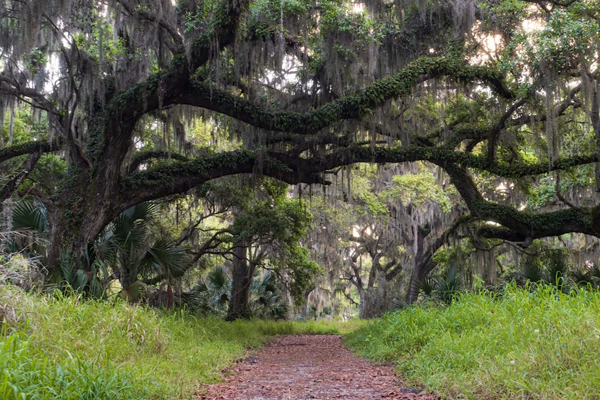
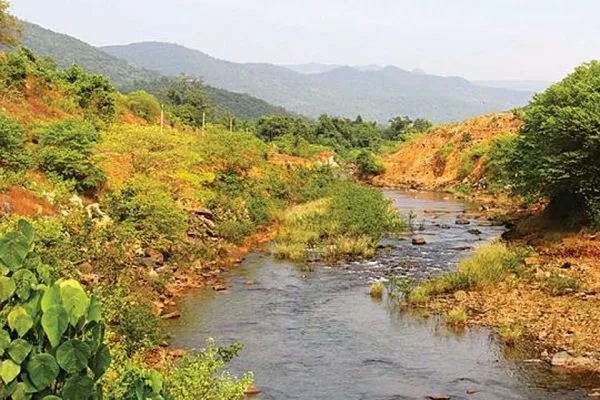
Bokora Corridor covers an astounding 2,056 square kilometres and is situated between 1,000 and 2,100 meters above sea level. The Bokora hamlet, which borders the reserve, contributes to the area’s cultural diversity. Its topography, which combines woodland savanna grasslands, distinctive plateaus dotted with inselbergs, and dry open plains, offers travellers a breathtaking mix of terrain and plants to explore on a safari excursion.
What to see in Bokora Corridor Wildlife Reserve
Diversity of Wildlife
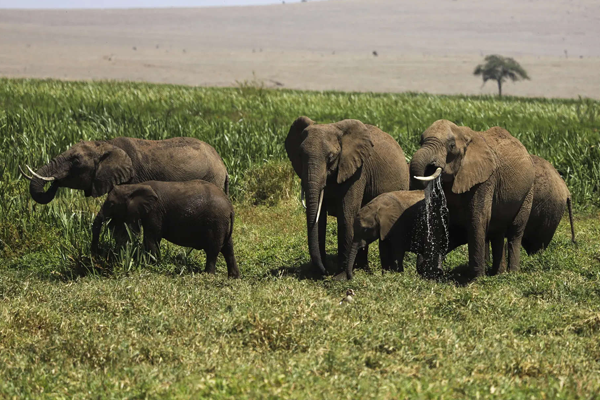
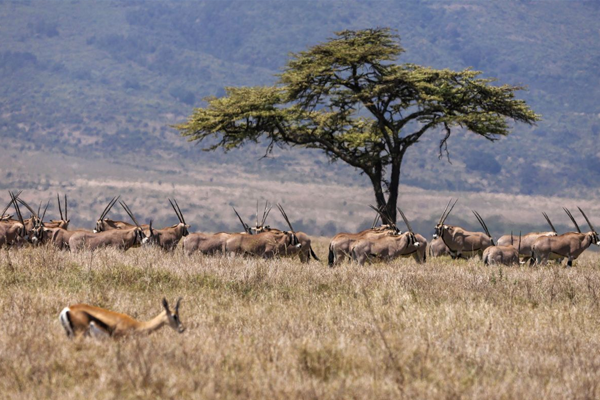
Bokora Corridor Wildlife Reserve is home to a remarkable diversity of wildlife. Visitors can expect to encounter Uganda kobs, African buffaloes, giraffes, zebras, topis, leopards, oribis, Jackson’s hartebeests, spotted hyenas, and oryx roaming freely across the plains. The reserve also shelters other iconic species such as gazelles, reedbucks, lesser kudus, elands, roan antelopes, and additional topi herds, making it a haven for wildlife enthusiasts and photographers alike.
Bird species
Birdwatchers will also find bliss in Bokora Corridor Wildlife Reserve. Dusky turtle doves, white-headed buffalo-weavers, lemon doves, thick-billed honeyguides, grey cuckoo-shrikes, African hill babblers, Hartlaub’s turacos, Alpine chats, Eastern bronze-naped pigeons, black-throated wattle-eyes, and many more are among the diverse array of avifauna found in the reserve. The Loporokocho Swamp is a popular area for birdwatchers to see both migratory and resident species in their native environment.
Activities to do in Bokora Corridor Wildlife Reserve, Uganda
Game drives
The Bokora Corridor species Reserve offers outstanding game drive experiences that allow nature lovers to see its varied species in its native environments. Zebras, spotted hyenas, topis, Rothschild’s giraffes, cheetahs, reedbucks, gazelles, hartebeests, and lesser kudus are just a few of the animals you may see while on a guided game drive. These drives provide an immersive safari experience across the beautiful savanna grasslands and woodland areas of the reserve.
Bird-watching/birding
Bokora Corridor Wildlife Reserve is home to a wide range of bird species, so birdwatchers are in for a treat. Mountain yellow warblers, African hill babblers, dusky turtle doves, black-throated wattle-eye, thick-billed honeyguides, lemon doves, and many more birds can be seen on a guided birding tour, making it an ideal location for birdwatching excursions.
Nature walks
A guided nature walk is another way to get a close-up look at the Bokora Corridor Wildlife Reserve’s remoteness. You can find hidden treasures, see a variety of fauna, and see unusual bird species while you stroll through the reserve. An expert guide leads each walk to make sure you get the best possible experience while remaining safe.
Cultural experiences
Discover the rich customs and dynamic culture of the Bokora community, which is situated on the reserve’s edge. Lively dance performances and traditional music provide visitors with an unforgettable glimpse into the everyday routines and cultural legacy of the Bokora people.
The Accommodation Options to Stay in Bokora Corridor Wildlife Reserve, Uganda
In terms of lodging, Bokora Wildlife Reserve is still comparatively undeveloped. Camping is the main option within the reserve itself, and visitors seeking an overnight stay usually rely on neighbouring towns. Appropriate places to stay in Moroto include the Uganda Wildlife Authority Guesthouse, Hotel Africana Moroto, and Kara-Tunga Guesthouse. The village of Moroto is an excellent starting point for exploring Bokora because it is only a 30- to 40-minute drive from the reserve.
When to visit Bokora Corridor Wildlife Reserve
Any season is a good time to visit Bokora Corridor Wildlife Reserve. But for a pleasant tour of this wildlife reserve, the best time of year is during the dry season. This may occur during the brief dry season (December to February) or during the extended dry spell (June to September). In contrast to April, May, and November, which are the wet season when there is a lot of rainfall, the road conditions are excellent during the peak dry season.
What to take on the Bokora Corridor Wildlife Reserve tour?
It’s crucial to pack sensibly for comfort and safety when visiting Bokora Corridor Wildlife Reserve. Long-sleeved shirts, bug repellent, waterproof hiking boots, a sturdy rain jacket, a sun hat and lightweight safari trousers are all necessities. For observing wildlife and birds, binoculars are strongly advised. To ensure a seamless and pleasurable safari trip, it is also essential to pack sunglasses, current passports, and any necessary visas.
Challenges faced by the Bokora Corridor Reserve
Bokora Wildlife Reserve continues to face conservation issues, just like many other protected places. The main dangers are disputes between humans and wildlife, habitat deterioration, and poaching. In addition to habitat loss brought on by encroachment and inappropriate land use, poaching continues to place a heavy burden on the wildlife population and disturb the natural ecosystems that are vital to the survival of species.
Additionally, there are logistical difficulties for the reserve. Since there are no lodges in the area, camping is the only feasible way to spend the night. Access can also be problematic because of the poor condition of the roads that go to Bokora, particularly during the rainy season, which can make it difficult for both conservation teams and tourists to get there.
How to get to Bokora Corridor Wildlife Reserve
The Kampala–Mbale route takes about seven hours to get to Bokora Wildlife Reserve by car, whereas the Kampala–Gulu Highway makes the trip take about eight hours.
While travelling to Bokora via the Eastern route, tourists have the opportunity to stop at some of the most noteworthy sites. One of the main attractions is Ssezibwa Falls, which can be reached by the Kampala–Jinja highway and is situated in Mukono District around 32 kilometres from Kampala. Entrance costs are UGX 5,000 for Ugandans and UGX 20,000 for foreign visitors, making it a great place to stop for a beautiful break on the way to the reserve.
One of Africa’s few surviving tropical woods is Mabira Forest Reserve, which is located in Buikwe District. Travellers on the Kampala–Mbale road to Bokora Corridor Reserve will find it to be a perfect stopover. Zip-lining, cycling, birdwatching, and guided forest walks are just a few of the activities available to visitors, making it the ideal combination of adventure and natural immersion.
A popular destination for exhilarating experiences, Jinja offers white-water rafting, jet boating, bungee jumping, tubing, and picturesque boat trips. In addition, visitors driving east can stop at Sipi Falls before proceeding to Bokora Corridor Wildlife Reserve. Although you might need additional days to thoroughly see the hidden gems in Uganda’s Eastern circuit, these stopover locations can easily be combined with a Bokora safari. Alternatively, you can experience more sights like the Ziwa Rhino Sanctuary and Murchison Falls National Park if you travel the Kampala–Gulu road to Bokora, making your trip exciting and full of wildlife.

Get A Questions
Embrace the journey of reconnecting with nature and the wild spirit within yourself.
Experience Tranquility, Discover Your Perfect Nature Retreat
your door to exceptional natural life encounters and gorilla trekking experiences in East Africa.