Gorilla Photography Tips
Overview
Taking amazing photos of gorillas is a highlight of trekking trips in Uganda, Rwanda, and the Democratic Republic of the Congo. Almost every traveler wishes to return home with a perfect photograph of a silverback gorilla, a memento from their animal encounter. Trekkers are advised to leave the forest unspoiled, taking only memories and images, making it the more crucial to take advantage of every photographic opportunity.
Gorilla photography can be difficult due to the deep forest settings and the continuous activity of these gorgeous animals. A superb shot might be difficult to achieve without proper preparation and skill.
Get Low (Kneel or Sit Down)
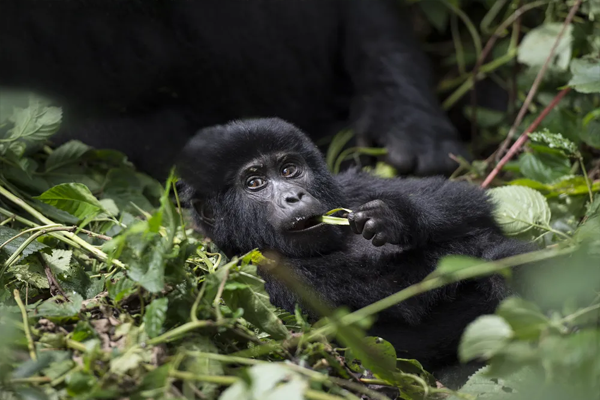
Positioning yourself lower to the ground makes a significant difference in capturing amazing gorilla images. Kneeling, sitting, or slightly squatting allows you to take eye-level photos that are more intimate and striking. Low viewpoints display gorillas resting, feeding, grooming, and interacting naturally in the forest. Shooting while standing upright frequently produces less appealing photographs and perspectives. If kneeling or lying down is not an option, simply bending forward can help you get sharper, more dramatic images of your gorilla trekking adventure.
Focus on the eyes of gorillas
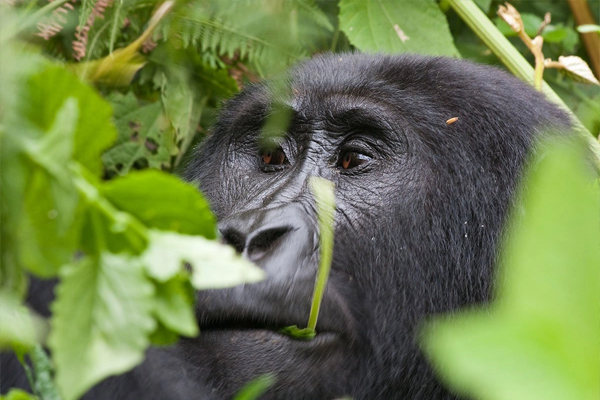
Capturing a silverback gorilla looking directly into your camera produces an extremely striking and memorable photograph. Focusing on the eyes adds passion and depth to your photos, making them more memorable and genuine. Eye contact highlights the character and intelligence of these endangered animals. Always turn off your camera flash, as intense light might upset and stress gorillas, interfering with their natural activity in the environment.
Do not use a flashlight
Visitors are highly advised to refrain from using camera flash while gorilla photography. Bright flashes can startle and annoy these vulnerable creatures, resulting in unpredictable behaviors that can interrupt the entire hiking experience. By turning off the flash, you may take authentic, high-quality photographs while respecting the gorillas and keeping their quiet, natural behavior in the jungle.
Use a wide aperture
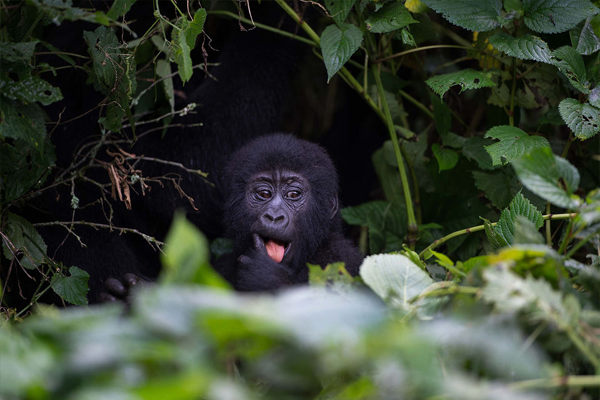
To obtain outstanding mountain gorilla portraits, use a wide aperture. It subtly softens the woodland backdrop, focusing all emphasis on the gorilla’s reactions and features. At the same time, it allows more light into the lens, allowing you to capture crisp, natural, and beautifully balanced images in low-light jungle settings.
Adjust the lenses
The fact that you will be roughly 7 meters away from the endangered mountain gorillas, adjusting camera lenses is highly advisable. The commonly recommended lenses are 70 and 200mm if you want to have the best shots. However, if you are in a wider specie, adjust the lenses to 24 and 70mm
Keep a distance
For sharp and well-composed mountain gorilla shots, keep the recommended distance of roughly seven meters. This spacing respects the gorillas while still allowing your lens to focus properly. Move slightly away from other hikers, steady your camera, and snap an unforgettable moment in the wilderness.
Carry extra battery
Nothing ruins a jungle adventure faster than realizing that your camera battery is nearly dead. Running out of power just as the gorillas appear might turn a thrilling journey into a huge disappointment. Always keep your batteries fully charged to avoid missing those once-in-a-lifetime experiences.
Where is the best place for gorilla photography?
Uganda and Rwanda are Africa’s leading sites for unforgettable gorilla photography. Bwindi Impenetrable National Park and Volcanoes National Park have the biggest numbers of mountain gorillas, providing excellent photo possibilities. While Bwindi’s dense rainforest is a difficulty for photographers, Volcanoes National Park’s open bamboo zones allow cleaner sightlines, making it easier to create sharp, striking shots.
Where is the best place to see gorillas?
Choosing the ideal place to observe mountain gorillas is mostly dependent on personal preference and travel style. Every country offers a unique and enjoyable trekking experience. Uganda has the largest gorilla population and offers more reasonable permits, although Rwanda is recognized for high-end luxury safaris and easier access to Volcanoes National Park. Congo has the lowest permit costs, but continued security concerns have limited entry to Virunga National
What should I pack for gorilla trekking?
Travelers planning to see silverback gorillas should pack carefully to ensure their comfort and preparedness in the wild. Strong hiking boots, a lightweight rain jacket, sunglasses, a hat, bug repellent, basic toiletries, a small first-aid kit, and long-sleeved shirts are all must-haves. Long trousers, high-energy snacks, and gardening gloves are also useful. Packing carefully significantly improves the entire gorilla trekking experience.Challenges have hampered entry to Virunga National Park.

Get A Questions
Embrace the journey of reconnecting with nature and the wild spirit within yourself.
Experience Tranquility, Discover Your Perfect Nature Retreat
your door to exceptional natural life encounters and gorilla trekking experiences in East Africa.