Can i Touch A Gorilla?
Overview
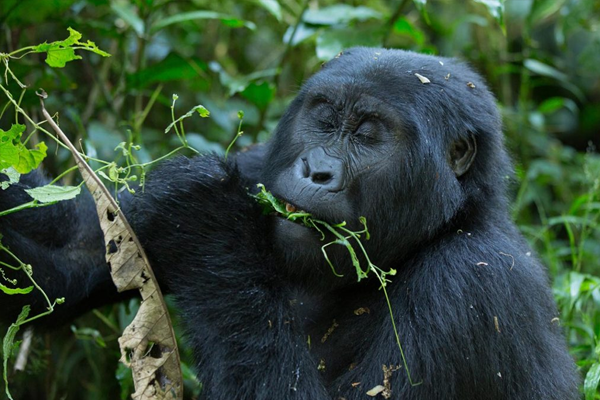
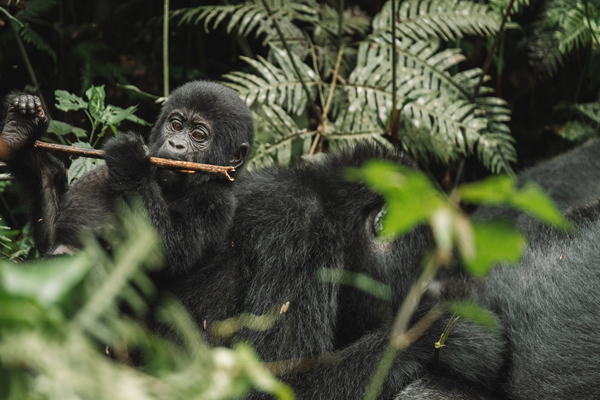
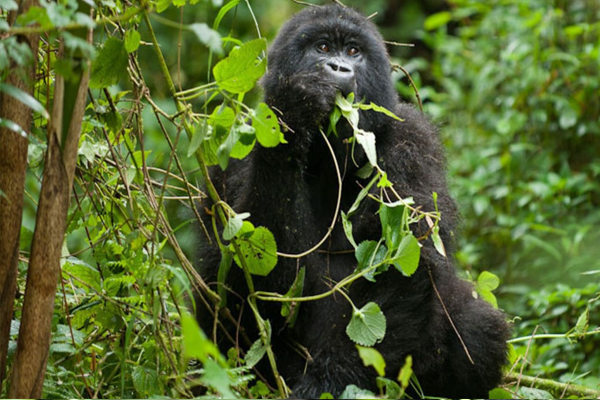
Touching gorillas is completely prohibited under established gorilla trekking guidelines and conservation standards. This is one of the most critical safety and conservation criteria for tourists following mountain or lowland gorillas in Uganda, Rwanda, and the Democratic Republic of the Congo.Any effort to touch a mountain gorilla in its native habitat might result in catastrophic repercussions. Mountain gorillas are our closest relatives in the wild, sharing up to 98% of human DNA, making them especially susceptible to diseases spread by humans.
With fewer than 1,063 mountain gorillas left in the world, gorilla trekking requires extreme caution. To avoid the spread of illnesses, visitors should keep a proper distance at all times, cover their mouths while coughing, and shield their noses when sneezing. It is also worth noting that mountain gorillas are only found in four protected areas worldwide: Volcanoes National Park in Rwanda, Bwindi Impenetrable and Mgahinga Gorilla National Parks in Uganda, and Virunga National Park in the Democratic Republic of Congo.When mountain gorillas approach you, it’s tempting to reach out and touch them—but resist the desire. Allow the gorillas to pass freely and provide room for yourself to limit the chance of infectious diseases being transmitted between humans and these primates.
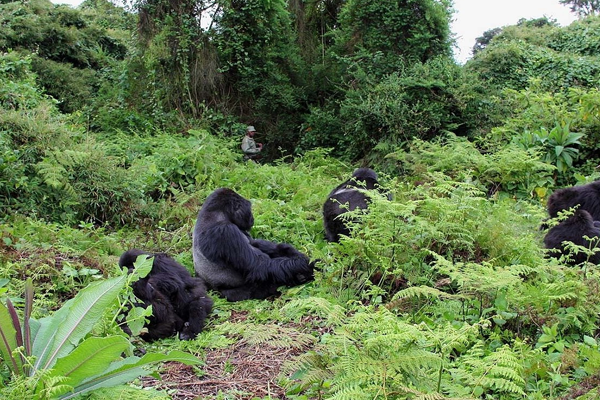
Visitors should keep an 8 to 10-meter distance when approaching a mountain gorilla family. This safe gap keeps the gorillas calm and comfortable, allowing them to continue their natural habits as you silently observe, photograph, and enjoy the experience. It’s also worth noting that mountain gorillas are wild animals, not domesticated creatures. Any effort to touch them could be seen as a threat or act of aggression. In response, a gorilla may charge or defend itself, perhaps causing catastrophic injury. Touching gorillas should always be avoided during trekking adventures.
Other important information/guidelines for gorilla trekking
- Visitors to Uganda and Rwanda are instructed to leave no trace while trekking gorillas. All litter, including used tissues and packaging, should be kept in your bag and disposed of properly in designated park bins or at your lodge.
- To avoid disturbing the gorillas in their natural habitat, keep your voice quiet and your conversations to a minimum when moving through the forest.
- The time spent with mountain gorillas is tightly limited to one hour, allowing visitors to watch their behavior and take photographs without stressing the animals.
- The use of camera flash is not allowed. If your camera has a built-in flash, turn it off before taking shots, as sudden light can startle gorillas, irritate them, or even cause a defensive reaction.
- To reduce the danger of illness transmission, all guests must wash their hands before starting the walk.
- Smoking, eating, and drinking in the company of gorillas is strictly prohibited since these behaviors increase the risk of infectious diseases spreading to the animals.
- A maximum of eight guests are permitted to visit a single gorilla family per day. In Uganda, 21 habituated gorilla families are available for tourism: 20 in Bwindi Impenetrable National Park and one in Mgahinga Gorilla National Park.
- For the sake of both visitors and gorillas, anyone who is ill or shows signs of illness should avoid gorilla trekking.
- Only tourists aged 15 and up are allowed to track mountain gorillas or obtain a gorilla permit in Uganda.
What to pack for a gorilla safari?
Anyone contemplating a gorilla hike in Uganda or Rwanda should be well-prepared and bring the necessary supplies. Proper packing guarantees that you have a comfortable, safe, and enjoyable trip in the wilderness.
To stay energized during the hike, bring a packed lunch and plenty of bottled water. Wear long-sleeved shirts and pants to protect your skin from insects and thorny flora, and bring a rain jacket or lightweight coat in case of unexpected rain.A pair of durable, waterproof hiking boots is required for crossing wet and uneven paths. Visitors should also bring a camera to take photos, a warm sweater for early mornings, insect repellent, and a basic first-aid kit for small emergencies. Sunscreen, a sun hat, and gardening gloves can all help protect your hands while gripping onto branches or going through heavy undergrowth.
Gorilla permits
Anyone wishing to trek mountain gorillas in Uganda or Rwanda must obtain a gorilla permit first. Travelers looking for a more affordable option will find Uganda to be an excellent choice, with a gorilla trekking permit priced at USD 800 per person.Rwanda is the best option for people seeking a premium, high-end gorilla safari experience. In Rwanda, a gorilla trekking permit costs USD 1,500 per person, reflecting the country’s luxury image and unique trekking experiences.
Get A Questions
Embrace the journey of reconnecting with nature and the wild spirit within yourself.
Experience Tranquility, Discover Your Perfect Nature Retreat
your door to exceptional natural life encounters and gorilla trekking experiences in East Africa.