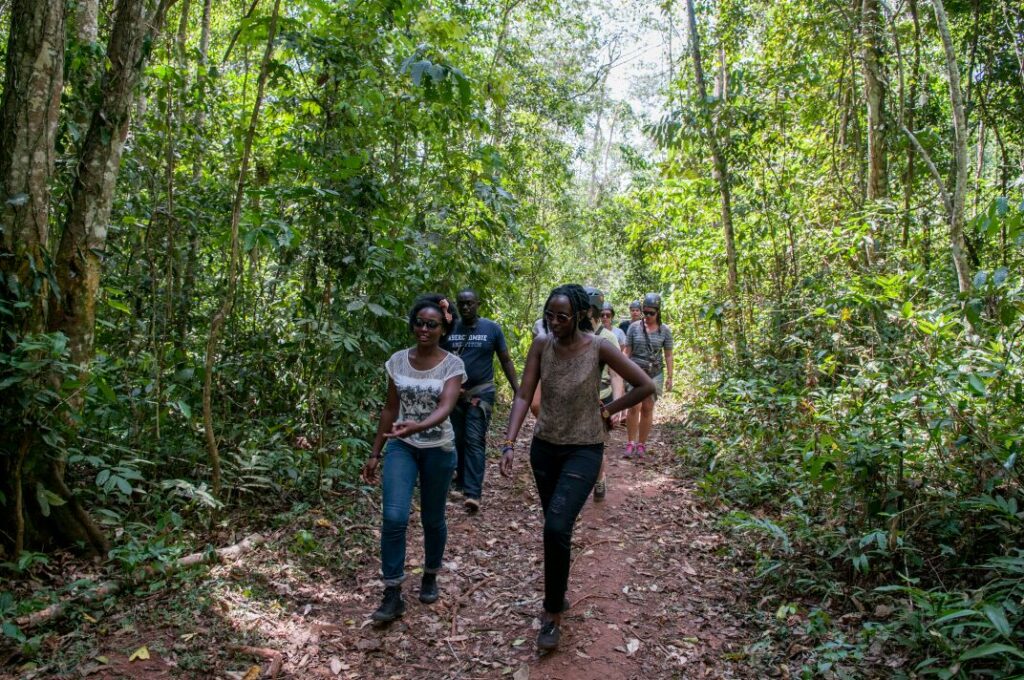
Bigodi Wetland Sanctuary: Swamp Walks, Birds and Community Tours
Discover Bigodi Wetland Sanctuary
Bigodi Wetland Sanctuary is a community-managed wetland near Kibale National Park in western Uganda.
It is known for guided swamp walks, colourful birdlife, primate sightings, scenic boardwalks and authentic village experiences.
Unlike a traditional game drive, a Bigodi walk allows visitors to explore a wetland on foot with a trained local guide while learning how tourism supports conservation and community development.
The sanctuary is an excellent addition to a Uganda safari because it provides a different experience from chimpanzee trekking and traditional wildlife viewing.
Visitors can observe wetland plants, listen to birds, search for monkeys in the trees and meet people involved in local tourism initiatives.
Silverback Gorilla Tour can include a Bigodi swamp walk in a Uganda safari itinerary alongside chimpanzee trekking in Kibale Forest National Park, gorilla trekking in Bwindi Impenetrable National Park or wildlife safaris in Queen Elizabeth National Park.
What Is Bigodi Wetland Sanctuary?
Bigodi Wetland Sanctuary protects a valuable wetland ecosystem near Kibale Forest. It is associated with the Kibale Association for Rural and Environmental Development, commonly known as KAFRED.
The organisation was formed in 1992 and has developed community-based tourism activities that connect conservation with local development.
The sanctuary demonstrates how responsible tourism can benefit both nature and surrounding communities.
Income generated from guided walks and related activities can support local guides, community projects, craft makers and households involved in tourism services.
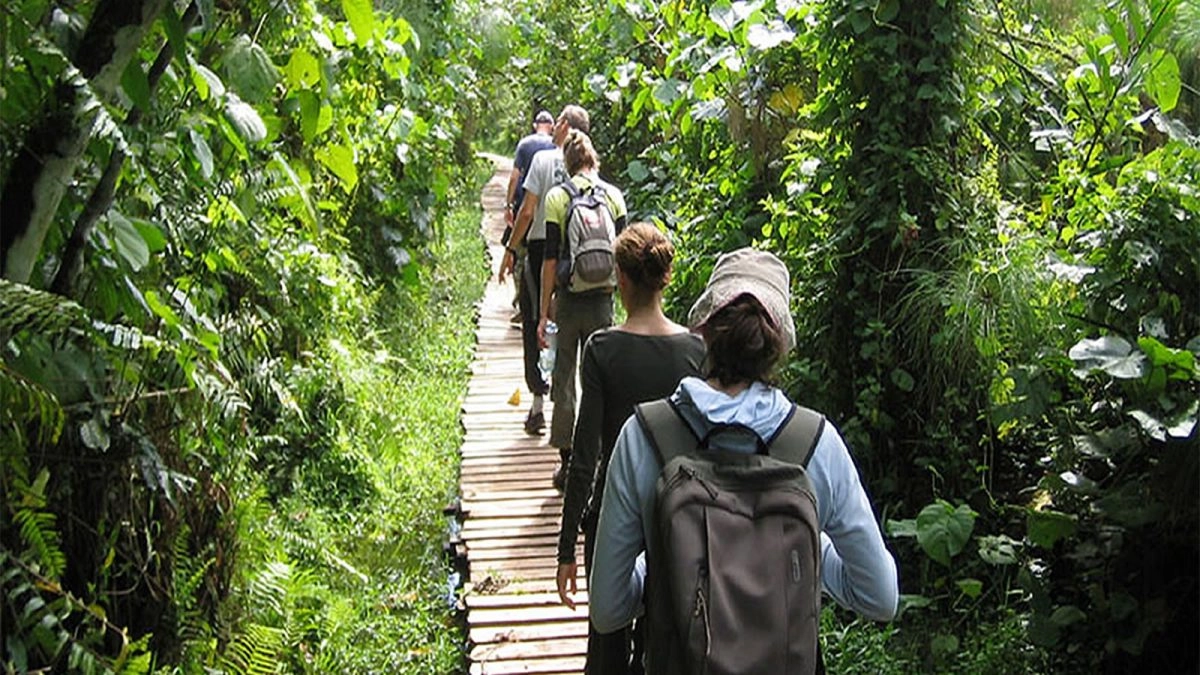
A community-based tourism destination
Unlike a destination managed only as a wildlife attraction, Bigodi provides visitors with an opportunity to learn about local livelihoods and conservation.
A guided visit may include discussions about wetland ecology, traditional knowledge, local food, coffee growing, crafts and community development.
The wetland also acts as an important habitat for birds, primates and other wildlife. Its connection to the wider Kibale ecosystem makes it especially valuable for travellers who want to experience Uganda’s biodiversity beyond the country’s famous gorilla and chimpanzee destinations.
A visit to Bigodi should therefore be viewed as more than a short nature walk. It is an opportunity to support conservation, meet local people respectfully and understand how tourism can create incentives to protect natural habitats.
Bigodi Location and Distance
Bigodi Wetland Sanctuary is located in western Uganda, close to Kibale National Park and Bigodi trading centre. The sanctuary is approximately 40 kilometres from Fort Portal, although the exact journey time depends on the road, traffic, accommodation location and planned stops.
Many travellers visit Bigodi as part of a Kibale Forest itinerary. The sanctuary can be reached from lodges around Kibale and combined with chimpanzee trekking, forest walks or a transfer towards Queen Elizabeth National Park.
Visitors travelling from Kampala should normally allow time for stops and changing road conditions. Silverback Gorilla Tour can organise private transport, accommodation and activities according to your arrival time and safari plans.
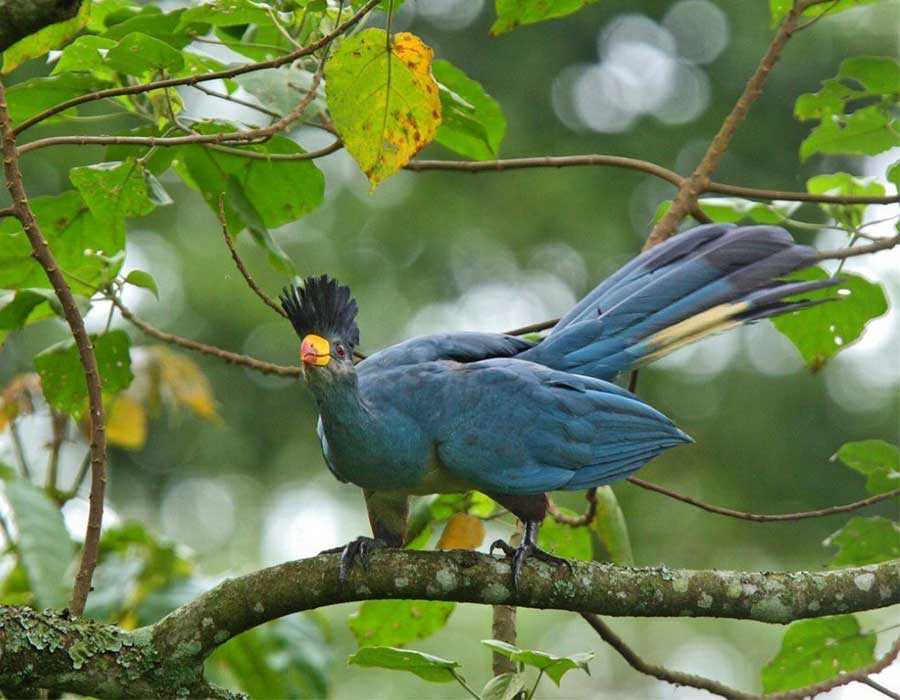
Wildlife and Birdwatching
Bigodi Wetland Sanctuary is particularly popular with birdwatchers and primate enthusiasts.
The official sanctuary information lists more than 200 bird species and eight primate species, making the wetland a rewarding destination for both experienced birders and first-time wildlife visitors.
Possible bird sightings include the Great Blue Turaco, hornbills, kingfishers, parrots, cranes and other wetland and forest species.
The Great Blue Turaco is one of the most sought-after birds in the area, but sightings are never guaranteed.
Visitors should allow time to listen carefully and follow the guide’s advice instead of rushing through the trail.
During a guided birding walk, your guide can help identify birds by their calls, colours, behaviour and preferred habitat.
This local knowledge is valuable because some birds may be hidden in dense vegetation or high in the forest canopy.
Possible primate sightings
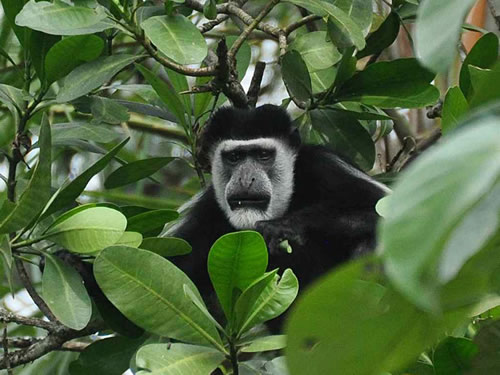
The wetland and surrounding vegetation also provide habitat for several primates. Depending on the season and conditions, visitors may see:
-
Black-and-white colobus monkeys.
-
Red colobus monkeys.
-
Red-tailed monkeys.
-
Blue monkeys.
-
Vervet monkeys.
-
Grey-cheeked mangabeys.
-
Olive baboons.
-
Other small mammals and wetland species.
You may also encounter bushbucks, sitatunga, otters, butterflies, reptiles and a variety of insects. Wildlife activity changes throughout the day, so an early-morning or late-afternoon visit may provide better conditions for photography and observation.
Carry binoculars, use a telephoto lens where possible and keep your voice low. Avoid playing loud music, feeding animals or moving too close to wildlife.
Responsible behaviour protects the animals and improves the experience for other visitors.
What Is the Bigodi Swamp Walk Like?
The Bigodi swamp walk is a guided nature experience through wetland vegetation, forest paths and boardwalk sections.
The walk usually begins at the visitor centre, where guests meet their guide and receive information about the route, wildlife and responsible tourism.
The official sanctuary information describes the nature trail as approximately 4.5 kilometres long and states that the walk can take up to three hours.
Visitors are required to walk with a trained sanctuary guide. The office information currently indicates daily opening hours from 7:30 a.m. to 5:00 p.m.
A typical experience follows these steps:
-
Arrive at the Bigodi visitor centre.
-
Register and meet a trained local guide.
-
Receive a briefing about safety and responsible behaviour.
-
Walk through the wetland, forest paths and boardwalk areas.
-
Stop at viewpoints and other observation points where available.
-
Return to the visitor centre or continue with a community activity.
The route is suitable for travellers who enjoy walking, nature photography, birdwatching and cultural experiences.
Some sections may be muddy or uneven, particularly after rain, so comfortable waterproof walking shoes are recommended.
The best starting time depends on your itinerary, but morning walks between approximately 7:30 and 9:00 a.m. or afternoon walks around 3:00 p.m. are commonly recommended.
Confirm the current schedule, guide availability and visitor requirements before travelling.
Things to Do in Bigodi
Enjoy a guided nature walk.
A guided nature walk introduces visitors to wetland plants, forest ecology and wildlife habitats.
Local guides can explain how the wetland functions, identify medicinal plants and point out animals that may be difficult for an untrained visitor to notice.
The walk is also a relaxed way to experience Uganda’s natural environment without the time pressure of a major trekking activity.
You can pause for photographs, ask questions and enjoy the sounds of the wetland.
Go birdwatching.
Bigodi is a strong choice for travellers interested in birdwatching. Ask for a guide with birding experience if your main goal is to identify as many species as possible.
Early starts are useful for visitors who want to listen for bird calls and observe active wildlife before the day becomes hotter.
First-time birdwatchers can also enjoy the walk without specialist equipment. A guide can help identify common species and explain the difference between forest, wetland and open-area birds.
Take a community walk.
A Bigodi community walk may introduce visitors to village life, local food, coffee growing, traditional skills and community projects. The experience should be approached respectfully, with attention to privacy and consent.
Ask before photographing people, homes, children or ceremonies. The purpose of a community visit should be cultural learning and meaningful exchange rather than treating residents as a spectacle.
Support local crafts and enterprises.
Visitors can purchase locally made crafts and products where available. Buying directly from artisans and community enterprises can help keep tourism income within the destination.
Silverback Gorilla Tour can advise travellers on how to include a community experience in their itinerary while allowing enough time for the wetland walk and other activities around Kibale.
Learn about local culture
Traditional knowledge, local history and medicinal plants can add depth to a Bigodi visit. These subjects should be explained by authorised local guides and community members who have chosen to share them.
Best Time to Visit Bigodi
Bigodi Wetland Sanctuary can be visited throughout the year, but weather conditions influence the walking experience.
The drier months generally provide firmer trails and easier walking, while rainy periods can create muddy sections and make some paths more challenging.
Morning and late-afternoon walks are often more comfortable because temperatures are cooler and light is better for photography.
Birdwatchers may prefer an early start, while travellers combining Bigodi with another activity may choose an afternoon visit.
The drier months of January, February, June and July are often recommended for easier trail conditions, although the sanctuary remains a year-round destination.
Travel update: Confirm current opening hours, guide availability, entrance fees and booking procedures with KAFRED or Silverback Gorilla Tour before departure.
The official guided-walk page displays rates labelled as effective from 2017, so these prices should not be treated as current without verification.
How to Get There and What to Pack
Travellers can visit Bigodi from accommodation around Kibale Forest or include the sanctuary in a wider western Uganda safari.
The destination is also suitable for an itinerary connecting Kibale with Fort Portal, Queen Elizabeth National Park, Bwindi or other attractions.
Pack the following items for a comfortable swamp walk:
-
Comfortable waterproof walking shoes.
-
Lightweight, breathable clothing.
-
A waterproof jacket or poncho.
-
Insect repellent.
-
Binoculars.
-
Camera and spare batteries.
-
Reusable drinking water.
-
A small backpack.
-
A hat and sunscreen.
Avoid wearing bright, delicate clothing if you expect wet or muddy conditions. Long trousers and comfortable layers are practical for walking through vegetation and protecting your legs from insects.
Sample Kibale and Bigodi Itinerary
A three-day itinerary allows visitors to combine chimpanzee trekking with the Bigodi experience without rushing.
-
Day 1: Travel to Kibale National Park, check in at your lodge and relax after the journey.
-
Day 2: Enjoy chimpanzee trekking in Kibale Forest in the morning. After lunch and a rest, take a guided Bigodi swamp walk in the afternoon.
-
Day 3: Join a community walk or birdwatching experience before continuing to Queen Elizabeth National Park or another Ugandan destination.
Silverback Gorilla Tour can customise this plan according to your travel dates, accommodation preferences, budget and interest in chimpanzees, birds, primates or cultural tourism.
Bigodi is already included in some Silverback Gorilla Tour Uganda itineraries that combine chimpanzee trekking with a wetland visit
Responsible Tourism at Bigodi
Responsible travel helps protect Bigodi Wetland Sanctuary and ensures that local communities continue to benefit from tourism.
-
Follow your guide’s instructions.
-
Stay on designated paths and boardwalks.
-
Never feed, chase or touch wildlife.
-
Ask permission before photographing people.
-
Carry all rubbish out of the wetland.
-
Keep noise low.
-
Support local guides, artisans and community enterprises.
Visitors should also avoid removing plants, flowers or other natural materials. Small actions help protect the sanctuary for future travellers and local residents.
Why Book with Silverback Gorilla Tour?
Silverback Gorilla Tour helps travellers combine Bigodi Wetland Sanctuary with chimpanzee trekking, gorilla trekking, Uganda wildlife safaris, accommodation and airport transfers.
Our team can recommend a practical itinerary based on your travel dates, interests, budget and preferred accommodation style.
Contact Silverback Gorilla Tour to plan your Uganda safari and include a guided Bigodi swamp walk near Kibale National Park.
Frequently Asked Questions
Where is Bigodi Wetland Sanctuary located?
Bigodi Wetland Sanctuary is located in western Uganda near Kibale National Park and Bigodi trading centre. It is approximately 40 kilometres from Fort Portal.
How long does the Bigodi swamp walk take?
The guided nature walk covers approximately 4.5 kilometres and can take up to three hours, depending on the pace, wildlife sightings and stops along the route.
What animals can you see in Bigodi Wetland Sanctuary?
Visitors may see black-and-white colobus monkeys, red-tailed monkeys, blue monkeys, vervet monkeys, grey-cheeked mangabeys, olive baboons, bushbucks and other wetland wildlife. Sightings are not guaranteed.
Is Bigodi suitable for birdwatching?
Yes. Bigodi is a popular birdwatching destination with more than 200 recorded bird species, including the Great Blue Turaco. A knowledgeable local birding guide can improve the experience.
Can I visit Bigodi after chimpanzee trekking?
Yes. Many travellers visit Bigodi in the afternoon after chimpanzee trekking in Kibale Forest. Allow enough time for lunch, rest and travel between activities.
What should I wear for the Bigodi swamp walk?
Wear comfortable waterproof walking shoes, lightweight clothing and long trousers. Carry a rain jacket, insect repellent, sunscreen and a hat.
Do I need a guide at Bigodi Wetland Sanctuary?
Yes. Visitors should explore the sanctuary with a trained local guide. The guide assists with navigation, wildlife identification, safety and responsible tourism.
How much does the Bigodi swamp walk cost?
Prices can change according to visitor category, activity and current sanctuary policies. Confirm the latest rates with KAFRED or Silverback Gorilla Tour before booking.
What is the best time to visit Bigodi?
Bigodi can be visited all year. Drier months generally offer easier walking conditions, while early morning and late afternoon are comfortable times for wildlife viewing and photography.
How can I book a Bigodi Wetland Sanctuary tour?
You can contact Silverback Gorilla Tour with your travel dates, number of visitors, preferred activities and accommodation requirements. The team can include Bigodi in a customised Uganda safari itinerary.