
Silverback Gorilla in Uganda | Facts, Behavior & Habitat Ultimate Guide 2026
Silverback Gorilla: Imagine standing just 7 meters away from a 400-pound silverback gorilla, locking eyes with the magnificent leader of his family group as he beats his chest in a display of power and dignity.
This awe-inspiring encounter is the highlight of a lifetime for thousands of travelers who visit Uganda annually, making it the premier gorilla trekking destination in Africa.
Unlike crowded tourist attractions, gorilla trekking in Uganda offers an intimate, transformative experience with the world’s most endangered primates in their natural habitat within Bwindi Impenetrable Forest and Virunga National Park.
At Silverback Gorilla Tour, we’ve guided over 500 travelers through this unforgettable journey with a 100% success rate over 10 years of expertise.
This complete booking guide covers everything you need to know: gorilla trekking permit costs (starting at $800), best time to visit Uganda, what to pack, safety requirements, and how to book with Silverback Gorilla Tour for affordable packages including permits, accommodation, and transport.
Whether you’re planning a 2-day gorilla trekking adventure or a 5-day complete Uganda safari, this guide ensures you’re fully prepared for your silverback gorilla encounter.
What is a Silverback Gorilla?
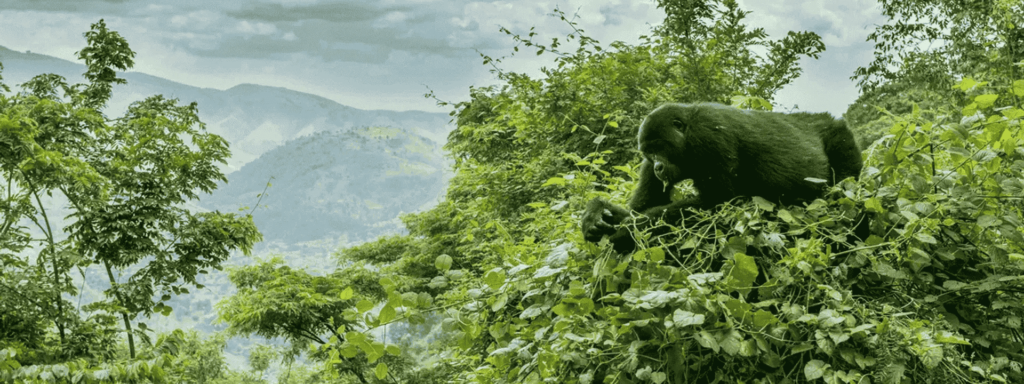
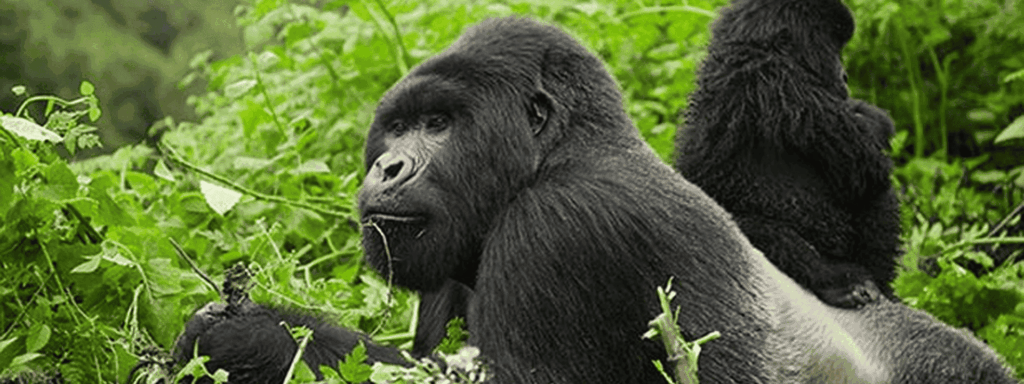
A silverback gorilla is a mature male gorilla aged 12 years or older distinguished by the striking silver fur that runs across his back and shoulders, signalling his status as the dominant leader of his family group.
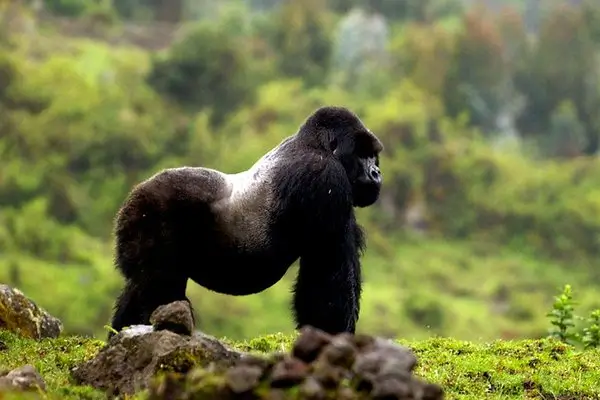
These magnificent primates reach an impressive weight of up to 400 pounds (180 kg) and stand 5-6 feet tall when upright, making them the largest of all gorilla species with powerful muscles and an imposing presence that commands respect.
As the leader and protector of their family group (typically 5-10 members), silverback gorillas make critical decisions about feeding locations, rest periods, and migration routes while defending their family from threats including rival males and human encroachment.
Their conservation status is critically endangered, with only approximately 1,000 mountain gorillas remaining in the wild across the Virunga Mountains and Bwindi Impenetrable Forest, making every gorilla trekking experience in Uganda a rare privilege that directly contributes to conservation efforts.
Seeing a silverback gorilla in their natural Uganda forest habitat is truly a once-in-a-lifetime experience that transforms visitors into lifelong conservation advocates, as witnessing their human-like behaviors, family bonds, and gentle intelligence creates an emotional connection that photography alone cannot capture.
At Silverback Gorilla Tour, we prioritize ethical wildlife encounters that respect gorilla behavior while ensuring maximum viewing opportunities for our guests.
Why Uganda for Gorilla Trekking?
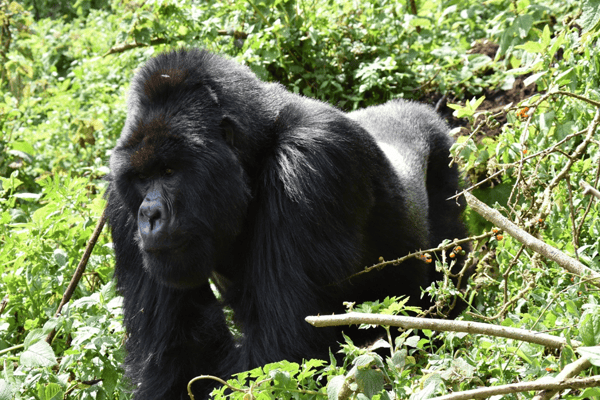
Uganda stands as the best destination for gorilla trekking in Africa, home to 40% of the world’s mountain gorilla population within Bwindi Impenetrable Forest National Park, which harbors over 400 gorillas across 16 habituated family groups ready for visitor encounters.
Virunga National Park in Uganda’s eastern region offers another prime location for gorilla trekking, with additional family groups and less crowded trails providing a more intimate experience for adventurous travelers seeking authenticity.
When compared to Rwanda and DRC, Uganda gorilla trekking offers significantly better value with permits at $800 versus Rwanda’s $1,500, while maintaining superior safety standards with stable political conditions and professional armed ranger protection throughout all trekking routes.
Accessibility and infrastructure in Uganda have improved dramatically, with Entebbe International Airport serving as the main gateway, paved roads to Bwindi, and quality lodges and accommodations ranging from budget guesthouses to luxury eco-lodges within 1-2 hours of trekking trails.
The conservation success story of Uganda mountain gorillas is remarkable, with populations increasing from 320 in 1989 to over 400 today due to sustainable tourism funding that allocates 60% of permit fees directly to park protection and anti-poaching efforts.
Silverback Gorilla Tour brings unmatched expertise in Uganda parks with 10 years of experience navigating Bwindi’s four sectors (Buhoma, Ruhija, Rushaga, and Nkuringo), selecting optimal family groups based on your fitness level, and building relationships with park rangers that ensure smooth permit processing and priority trail assignments for our clients.
Gorilla Trekking Permit Costs
Understanding gorilla trekking permit costs is essential for planning your Uganda safari budget, and Silverback Gorilla Tour provides transparent pricing with no hidden fees.
Below is the complete permit price breakdown for 2026:
The gorilla trekking permit includes 1 hour with gorillas in their natural habitat, a professional guide fluent in English and local languages, armed ranger protection throughout the trek, park entry fees, and contribution to conservation efforts that fund anti-poaching patrols and community development projects.
When to book your permit is critical: we recommend booking 3-6 months in advance because permits are limited to 8 visitors per family group per day, and Bwindi’s popular sectors (Buhoma and Nkuringo) often sell out during peak dry seasons (June-August and December-February).
Silverback Gorilla Tour package deals offer exceptional value by bundling permit + accommodation + transport at discounted rates, adding luxury lodges, additional safari activities, and airport transfers, and combining gorilla trekking with chimpanzee tracking, Queen Elizabeth Park game drives, and premium accommodations.
Best Time for Gorilla Trekking
Choosing the best time for gorilla trekking in Uganda significantly impacts your experience, and Silverback Gorilla Tour helps you select optimal dates based on weather, trail conditions, and crowd levels.
The dry seasons (June-August and December-February) offer the best trails with firm, muddy-free paths that make trekking easier and faster, clearer views through thinner vegetation for better photography, and minimal rainfall ensuring you stay comfortable during 2-8 hour treks.
During peak dry season months, expect higher temperatures (20-25°C daytime), more tourists competing for limited permits, and premium pricing on accommodations, but the guaranteed trail accessibility and optimal viewing conditions make it worth the trade-off for first-time visitors.
The wet seasons (March-May and September-November) provide fewer tourists meaning easier permit availability and more intimate gorilla encounters without crowds, lush green scenery creating stunning photographic backdrops, and lower accommodation rates with 20-30% discounts on lodges.
However, wet season trekking involves challenging muddy trails requiring extra fitness, heavier rainfall demanding quality rain gear, and thicker vegetation potentially limiting visibility, though gorillas remain active year-round and 95% success rate is maintained regardless of season.
Climate in Bwindi varies dramatically with elevation ranging from 1,160-2,500 meters, creating microclimates where temperatures range from 15-25°C during daytime and 5-15°C at night, with higher sectors (Nkuringo at 2,500m) being cooler than lower sectors (Buhoma at 1,160m).
Monthly breakdown with pros and cons: January-February (dry, warm, crowded, expensive permits), March-May (wet, lush, fewer tourists, muddy trails), June-August (dry, peak season, best trails, book 6 months ahead), September-November (transition, moderate rain, good value, available permits), December (short dry, festive, high demand).
Silverback Gorilla Tour offers flexible scheduling with rescheduling options if weather prevents trekking, and we monitor daily weather forecasts to optimize trekking dates for our clients.
How to Book with Silverback Gorilla Tour
Booking your gorilla trekking adventure with Silverback Gorilla Tour is a simple, stress-free process designed to secure your permits quickly while providing personalized service tailored to your budget and preferences.
Step 1: Contact us.
Step 1: Contact us through our website (silverbackgorillatour.com), phone (+256 701 800149), email (info@silverbackgorillatour.com), or WhatsApp (available 24/7) to discuss your travel dates, group size, fitness level, and budget preferences.
Step 2: Choose your package.
Choose your package from our three-tiered options: budget package, standard package, or luxury package, each including gorilla permit, accommodation, transport from Kampala, and pre-trip briefing.
Step 3: Secure your permit.
Secure your permit as Silverback Gorilla Tour handles all permit booking directly with Uganda Wildlife Authority (UWA), confirming your family group assignment and trekking sector within 24-48 hours while providing you with a permit confirmation number for peace of mind.
Step 4: Arrange accommodation and transport
Arrange accommodation and transport where we book quality lodges near Bwindi trails (1-2 hours from trekking start point), arrange private 4WD vehicles with experienced drivers, and coordinate airport transfers from Entebbe International Airport if needed.
Step 5: Pre-trip briefing.
A Pre-trip briefing occurs 1 day before trekking at your lodge, covering safety protocols, packing checklist, gorilla behavior guidelines, and a Q&A session with your professional guide.
Book Now on our website or contact us today to secure your 2026 gorilla trekking dates before permits sell out! Trust signals that demonstrate Silverback Gorilla Tour reliability: 500+ happy clients with 100% satisfaction rate, 10 years of experience in Uganda gorilla trekking, licensed and certified by the Uganda Tourism Board.
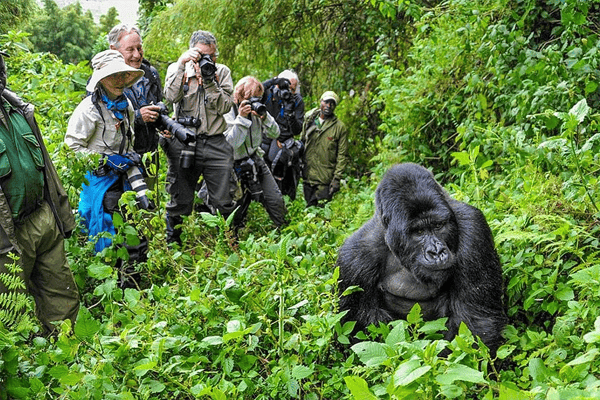
What to Pack for Gorilla Trekking
Proper packing for gorilla trekking is crucial for comfort, safety, and compliance with Uganda Wildlife Authority regulations, and Silverback Gorilla Tour provides a comprehensive packing checklist to ensure you’re fully prepared.
1. Essential gear
Essential gear includes waterproof hiking boots with ankle support and rugged soles for muddy trails (break them in 2 weeks before trekking), gardening gloves (thick leather) for protecting hands from stinging nettles and grasping vegetation, and a high-quality rain jacket (waterproof, breathable) since rain is possible year-round in Bwindi’s mountainous terrain.
2. Clothing
Clothing should prioritize long pants made of durable, quick-drying material (avoid jeans that stay heavy when wet), moisture-wicking shirts in earth tones (green, brown, khaki) that blend with forest environment and avoid attracting insects, and a warm layer (fleece or light down jacket) for cool mornings and evenings when temperatures drop to 5-15°C at higher elevations.
Extras to pack include a 2-liter water bottle (hydration is critical during 2-8 hour treks), high-energy snacks (nuts, granola bars, dried fruit) for sustained energy, a camera without flash (flash photography is strictly prohibited around gorillas), and a daypack (20-30L) to carry all essentials comfortably on your back.
Not allowed items include flash cameras (disturbs gorillas and violates park rules), loud noises (no talking loudly, music, or phone calls near gorillas), and bringing sickness (if you have cold/flu symptoms, you cannot trek to protect gorillas from human transmission).
Silverback Gorilla Tour gear rental is available for travelers who don’t want to purchase expensive equipment: hiking boots ($10/day), rain jackets ($5/day), gardening gloves ($3/day), daypacks ($5/day), and walking sticks ($2/day), all sanitized between uses and available for pickup at our Kampala office.
Safety Tips & Requirements
Safety during gorilla trekking is our top priority at Silverback Gorilla Tour, and understanding requirements and protocols ensures you and the gorillas remain safe throughout your experience.
1. The Minimum age requirement
The minimum age requirement is 15 years old as set by Uganda Wildlife Authority, because younger children lack the physical fitness for 2-8 hour treks and may accidentally disturb gorillas through unpredictable behavior.
2. Health requirements
Health requirements mandate that travelers must not have contagious illnesses (cold, flu, tuberculosis, COVID-19) since gorillas share 98% of human DNA and are extremely vulnerable to human diseases, with rangers conducting health screenings before allowing trekking participation.
3. The 7-meter distance rule
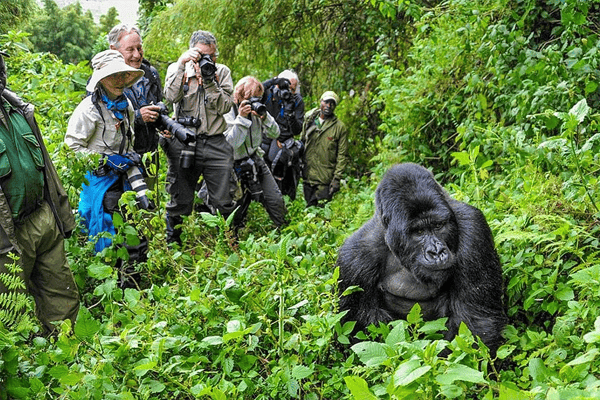
The 7-meter distance rule is strictly enforced by armed rangers who position themselves between visitors and gorillas, requiring you to maintain a minimum of 7 meters (23 feet) from gorillas at all times, crouch down to appear smaller and less threatening, and avoid sudden movements that could startle the family group.
What if gorillas charge? Stay completely calm, do not run (triggers predatory instinct), follow your guide’s instructions immediately, crouch low and avoid eye contact (seen as challenging), and trust that silverback gorillas rarely attack unless they perceive genuine threat to their family.
4. Ranger protection
Ranger protection includes armed guards accompanying every trekking group who are trained in gorilla behavior, emergency response, and anti-poaching tactics, providing security against potential threats from other wildlife or rare poacher encounters.
Vaccination recommendations include yellow fever (required for entry into Uganda), typhoid, hepatitis A and B, tetanus, and rabies (optional but recommended for wildlife contact), with Silverback Gorilla Tour providing detailed vaccination checklist 3 months before your trip.
Silverback Gorilla Tour safety protocols include pre-trekking fitness assessment, daily weather monitoring, emergency communication devices (satellite phones), first-aid trained guides, evacuation insurance included in all packages, and 24/7 emergency support for any safety concerns during your trip.
Conservation & Ethical Tourism
Gorilla trekking in Uganda is more than an adventure—it’s a powerful conservation tool that directly funds mountain gorilla protection and demonstrates how ethical tourism can save endangered species from extinction.
How trekking fees fund conservation works through permit revenue allocation: 60% of the $800 permit fee goes directly to the Uganda Wildlife Authority for anti-poaching patrols, gorilla monitoring, habitat protection, and ranger salaries, while 20% supports community development (schools, clinics, clean water projects) in villages surrounding Bwindi Impenetrable Forest, and 20% covers park management (trail maintenance, visitor facilities, administrative costs).
Community benefits from gorilla tourism are transformative, with over 50 schools built, 30 health clinics established, and thousands of jobs created for local people as lodge staff, guides, drivers, porters, and craft sellers, reducing poverty and eliminating poaching as an economic necessity.
Responsible behavior guidelines include maintaining 7-meter distance, speaking quietly, not eating near gorillas, following guide instructions, disposing of trash properly, staying on designated trails, and respecting gorilla family dynamics (avoid approaching infants directly).
Why Silverback Gorilla Tour is certified sustainable includes our Gold-Level Eco-Tourism Certification from the Uganda Tourism Board, carbon-neutral operations through reforestation partnerships, 10% of profits donated to gorilla conservation NGOs, hiring 100% local staff from Bwindi communities, using eco-friendly lodges with solar power and waste management systems, and educating guests about conservation challenges and solutions.
Supporting gorilla population recovery through ethical tourism has achieved remarkable results: mountain gorilla numbers increased from 320 in 1989 to over 400 today, making them the only great ape species with growing population, and your gorilla trekking permit directly contributes to this conservation success story by funding continuous monitoring, anti-poaching efforts, and community engagement programs that ensure future generations can experience silverback gorillas in the wild.
Frequently Asked Question
Q: How long is gorilla trekking?
A: Gorilla trekking takes 2-8 hours depending on gorilla location, fitness level, and trail conditions, with average trek duration being 4 hours including 1 hour with gorillas. Silverback Gorilla Tour assesses your fitness level and recommends optimal family groups to match your capabilities.
Q: Can I trek alone?
A: No, you cannot trek alone as maximum 8 people per group with professional guide and armed ranger is required by Uganda Wildlife Authority for gorilla safety and visitor protection. Silverback Gorilla Tour can arrange private group treks for families or friends (up to 8 people).
Q: Is gorilla trekking dangerous?
A: Gorilla trekking is very safe with armed rangers protecting every group, 99.9% safety record over 30 years, and gorillas rarely aggressive unless threatened. Silverback Gorilla Tour includes evacuation insurance and 24/7 emergency support in all packages.
Q: How far should I book?
A: Book 3-6 months in advance for permits availability, especially during peak dry seasons (June-August, December-February) when Bwindi sectors sell out quickly. Silverback Gorilla Tour can secure permits with 2 weeks’ notice for low season but recommends early booking for best family groups.
Q: What if I don’t see gorillas?
A: 95% success rate for seeing gorillas based on excellent tracking by experienced guides, and Silverback Gorilla Tour offers partial refund (50% of permit fee) if gorillas are not found due to extreme weather or gorilla migration, though this is extremely rare.
Q: What fitness level is required?
A: Moderate fitness is needed for 2-8 hour treks at 1,160-2,500m elevation, with Silverback Gorilla Tour offering porters ($15/day) to carry packs and luxury vehicle transfers to trail start points for less fit travelers.
Q: Can I bring children?
A: Minimum age is 15 years per Uganda Wildlife Authority, and Silverback Gorilla Tour recommends family-friendly family groups with gentle silverbacks for teenage travelers.
Q: What about photography?
A: Photography is allowed without flash, and Silverback Gorilla Tour guides help position you for optimal shots while maintaining 7-meter distance and not disturbing gorillas.
Conclusion
Uganda remains the best gorilla trekking value in Africa with $800 permits (vs. $1,500 in Rwanda), superior safety, and excellent infrastructure, while your silverback gorilla encounter will be an unforgettable once-in-a-lifetime experience that transforms you into a lifelong conservation advocate.
Silverback Gorilla Tour is your trusted, experienced, and affordable partner with 500+ happy clients, 10 years expertise, 100% satisfaction rate, and licensed certification from Uganda Tourism Board, ensuring seamless gorilla trekking from permit booking to post-trip memories.
🦍 BOOK YOUR GORILLA TREKKING ADVENTURE NOW – CONTACT US TODAY!
⭐ 500+ Reviews | 100% Satisfaction | Limited Permits for 2026 – Book Now!