Bukima Sector – Gorilla Trekking in Virunga National Park Congo
Bukima Sector in Virunga National Park (DRC) for Mountain Gorilla Trekking is one of the primary areas for encountering habituated mountain gorillas in the Democratic Republic of Congo.
Virunga is Africa’s oldest national park, a UNESCO World Heritage Site, and home to roughly one-third of the world’s remaining mountain gorillas (part of a global population of around 1,100+).
Bukima offers a more affordable and potentially less crowded alternative to Rwanda or Uganda, though it comes with notable challenges, especially regarding current access and security.
Current Status (as of mid-2026)
Gorilla trekking and Nyiragongo volcano treks in Virunga are closed until further notice, according to the official Visit Virunga website. Visitors should contact visit@virunga.org for updates. The park has faced repeated closures due to security incidents, rebel activity (e.g., M23 and others in eastern DRC), and past events like COVID-19.
Eastern DRC carries significant travel risks, with many governments issuing “Do Not Travel” advisories for North Kivu province. Always check the latest official sources, travel advisories, and park communications before planning. When open, operations are tightly managed with ranger and security escorts.
Bukima Sector Location and Access
Bukima is in the southern sector of Virunga National Park, on the edge near the Mikeno Volcano area. It serves as a key starting point for gorilla treks, historically accessed from Goma (about 1-2 hours by road, depending on conditions). The name “Bukima” means “a place where there are monkeys” in local dialect, reflecting its primate-rich environment.
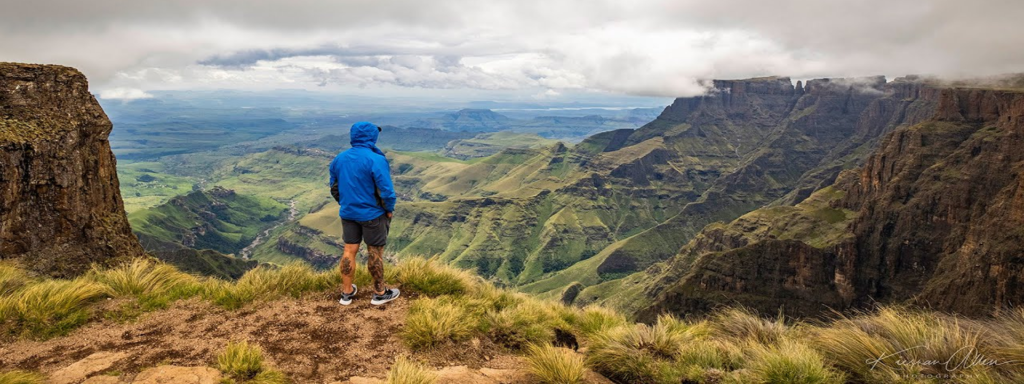
The area features dense montane rainforest, bamboo zones, and volcanic slopes. Treks typically start from the Bukima Patrol Post or nearby tented camp.
When operational, activities often depart on specific days (e.g., Monday, Wednesday, Friday for some packages). The terrain is rugged—steep, muddy in wet seasons, with thorns, stinging plants, and army ants.
Gorilla Families in Bukima Sector
Virunga has around 10 habituated gorilla groups, many associated with the Bukima area. Families are led by a dominant silverback, with varying sizes (from ~9 to 48+ members). Examples include:
- Bageni: One of the largest (~48 members), ranges near the trekking center.
- Kabirizi: Long-established in Bukima, with historical ties to early habituation.
- Rugendo: One of the first habituated (1980s); has a storied, sometimes tragic history involving conflicts.
- Munyaga: Smaller group (~9-12 members) on Mikeno slopes.
- Others like Humba, Mapuwa, Lulengo, Nyakamwe, etc.
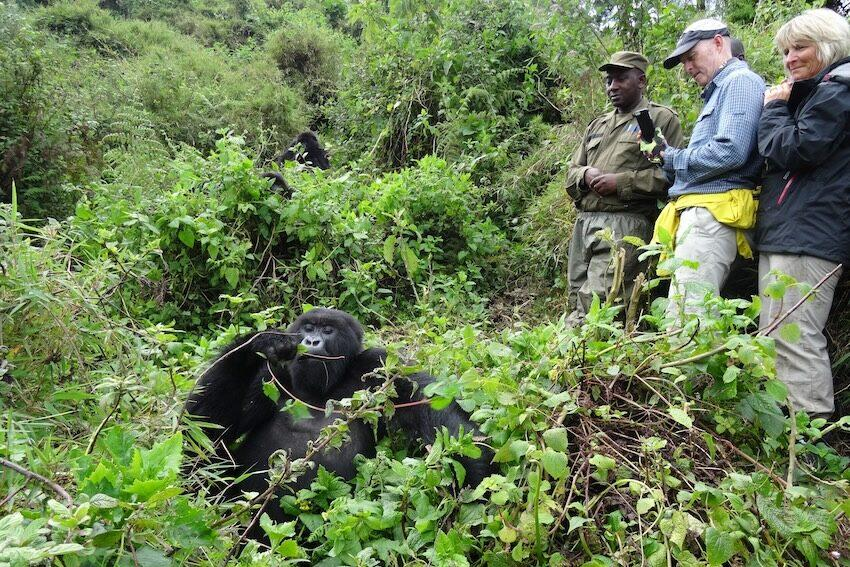
Each trek visits one group for a maximum of 1 hour once located. Rangers and “pisteurs” (trackers) monitor the families daily. Encounters vary: playful juveniles, resting silverbacks, or feeding mothers with infants. Gorillas are habituated but wild—respectful distance is mandatory.
Bukima Sector Permits and Costs
When available, the gorilla permit in Virunga is approximately $400 USD per person (sometimes discounted to $350 or lower in promotions), making it far more affordable than Rwanda (~$1,500) or Uganda (~$800). Permits fund conservation and community projects.
Book through authorized operators or the park; independent direct booking may be limited. Plan 3-6+ months ahead when open, as slots are restricted.
Packages often bundle permits, accommodation, transfers from Goma, and sometimes other activities. Bring crisp, new US$100 bills (post-2013) as ATMs/credit cards are unreliable.
What to Expect on a Trek in Bukima Sector
- Briefing: Early morning at Bukima—rules, safety, gorilla behavior.
- Hike: 1-2.5+ hours each way (sometimes longer), depending on the group’s location. Fitness is essential; porters can help.
- Encounter: Max 1 hour with the gorillas. Wear surgical masks (provided) to protect them from human diseases.
- Group size: Limited to ~8 visitors per group.
- Rules: Stay 7-10m away (back away if they approach), no eye contact with silverbacks if agitated, no flash photography, stay together, follow ranger instructions strictly. No eating, smoking, or littering near gorillas. Turn away and cover coughs/sneezes.
The experience is often described as life-changing: the intelligence, family dynamics, and sheer presence of silverbacks (up to 200kg) create profound awe.
Preparation and What to Bring
Fitness: Moderate to strenuous hiking at altitude (1,500-3,000m+). Train with hills/stairs. Minimum age: 15 years.
Clothing/Gear:
- Sturdy waterproof hiking boots.
- Long trousers, long-sleeved shirt (tuck pants into socks for ants).
- Rain jacket/poncho (rainy seasons are very wet).
- Gloves, hat, sunglasses.
- Daypack with water (2-3L), snacks, camera/binoculars (no flash), rain cover, sunscreen, insect repellent.
- Walking stick (optional but useful).
Health:
- Do not trek if ill (colds/flu can kill gorillas—96-98% DNA shared).
- Vaccinations: Yellow fever (required for DRC), hepatitis, typhoid, tetanus, rabies (consider), MMR, etc. Malaria prophylaxis essential.
- Travel insurance with medical evacuation (crucial in remote/conflict areas).
- Bring any personal meds; altitude can affect some.
Best Time: Dry seasons (June-Sept, mid-Dec-Feb) for easier trails. Wet seasons bring lush greenery but mud and leeches.
Accommodation
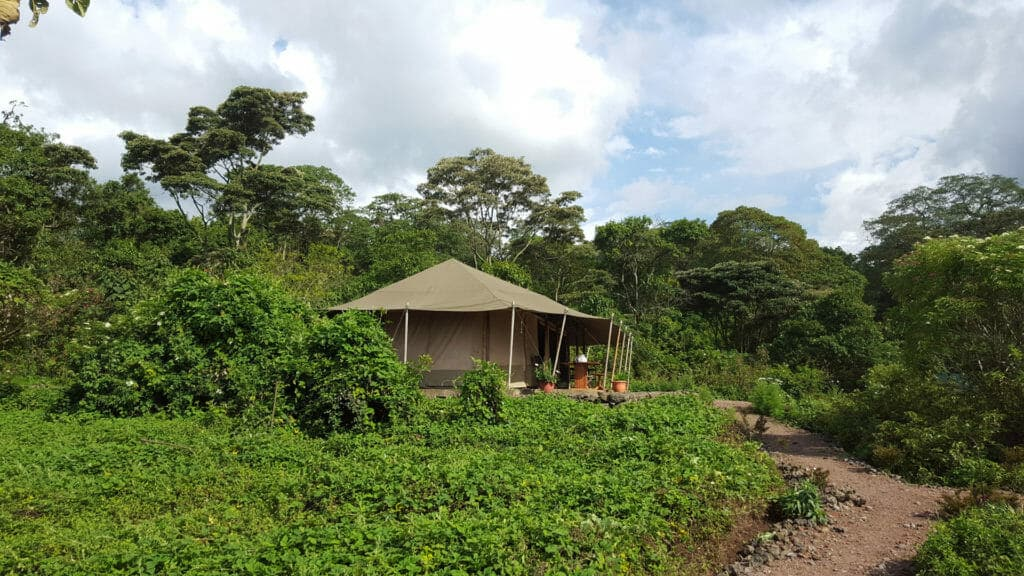
- Bukima Tented Camp: Convenient, basic-to-comfortable tents near the starting point—ideal for early starts and primate sightings around camp.
- Mikeno Lodge: More luxurious, with views, higher-end facilities.
- Other options like Kibumba (newer tented camp). Stays support local communities and conservation.
Safety and Responsible Travel
Security is the biggest variable in eastern DRC. Rangers and military provide escorts when open, but risks from armed groups persist. Follow all advice, travel with reputable operators, and monitor news.
Gorilla trekking itself is very safe when rules are followed—no tourist gorilla attacks in regulated settings. Risks are more environmental (terrain, weather, insects) or logistical.
https://en.wikipedia.org/wiki/Volcanoes_National_ParkConservation Impact: Fees and tourism support anti-poaching, habitat protection, and community benefits (schools, health, jobs). Virunga faces ongoing threats from conflict, agriculture, and resource pressure, but tourism has aided recovery.
Other Considerations
- Visa: DRC visa required; e-visa or embassy process.
- Currency/Practicalities: USD preferred; limited infrastructure. Power, internet spotty.
- Cultural Respect: Engage positively with local Congolese staff and communities.
- Alternatives if Closed: Consider Volcanoes NP (Rwanda) or Bwindi/Mgahinga (Uganda) for more reliable access, though at higher cost.
Gorilla trekking in Bukima offers raw, intimate wilderness compared to more developed neighbors. It demands preparation, flexibility, and awareness of risks, but rewards with unforgettable encounters in one of Earth’s most biodiverse and resilient landscapes. When the park reopens, it represents not just adventure but direct support for critical conservation in a complex region.