What Is Gorilla Trekking? Ultimate 2026 Guide to Mountain Gorilla Encounters
What is Gorilla Trekking? Gorilla trekking is a guided wildlife experience where visitors hike through protected forests to track and observe wild mountain gorillas in their natural habitat.
If you are searching for what is gorilla trekking or planning gorilla trekking in Uganda, the experience usually involves a park permit, expert ranger guides, and a limited viewing window of about one hour once the gorilla family is found.
It is one of the most powerful wildlife encounters in Africa because it brings you face-to-face with a gentle, endangered primate family in the wild.
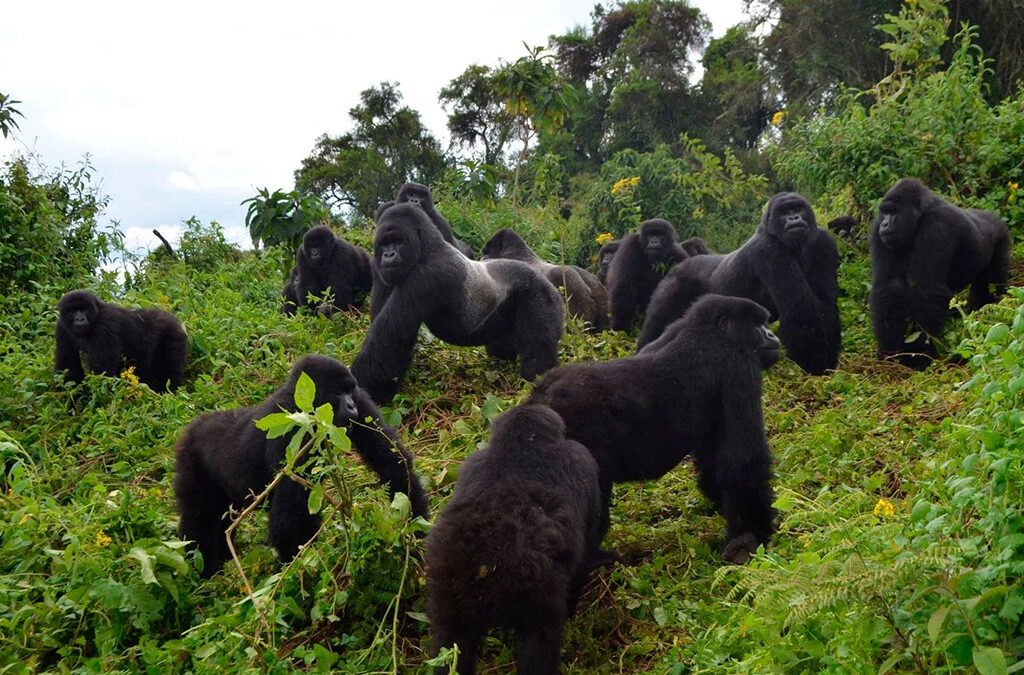
The emotional moment when a silverback turns to look at you just a few meters away is something many travelers never forget.
Where You Can Trek Gorillas
The best places for gorilla trekking are found in East and Central Africa, with each destination offering a slightly different experience.
In Uganda, the most famous parks are Bwindi Impenetrable Forest and Mgahinga Gorilla National Park, both known for their rich biodiversity and strong conservation history.
In Rwanda, Volcanoes National Park is the top destination for travelers looking for a shorter transfer from Kigali and a well-developed trekking circuit.
There are also limited trekking opportunities in the Democratic Republic of Congo, especially for travelers seeking a more adventurous and less crowded experience.
If you are planning gorilla trekking in Uganda, Bwindi is the most popular choice, while Mgahinga is ideal for visitors combining gorilla viewing with volcano scenery and cultural tourism.
For many travelers, the nearest towns, road access, and flight connections help determine the best park to choose.
What to Expect on a Gorilla Trek
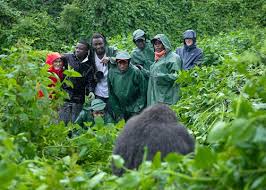
A gorilla trek starts early in the morning with a briefing from park rangers, who explain safety rules, group allocation, and tracking procedures.
After that, you begin hiking through forest trails, bamboo zones, muddy slopes, and sometimes steep terrain until the gorilla family is located.
Trek duration can range from one hour to several hours, depending on where the gorillas moved the previous night.
Once the gorillas are found, you are allowed to spend one hour observing them, taking photos, and quietly enjoying the encounter.
During the trek, you must follow wildlife rules such as keeping a safe distance, avoiding flash photography, and listening closely to your guide.
You should also expect variable weather, since rain can arrive suddenly in the forest, and the return time may be earlier or later than planned.
What to pack for gorilla trekking:
-
Waterproof jacket and trousers.
-
Strong hiking boots with good grip.
-
Gloves for gripping vegetation.
-
Drinking water and light snacks.
-
A camera with extra batteries.
-
Insect repellent and sunscreen.
-
A small backpack for essentials.
Costs, Permits, and Best Time
A gorilla trekking permit is essential, and demand is usually high, especially in peak travel months.
The permit system helps control visitor numbers and supports conservation, so booking early is very important if you want the best trekking dates.
Current permit fees can vary by destination and season. In Uganda a gorilla permit costs $800, in Rwanda it costs $1,500, and in Congo it costs $400 to $450.
So travelers should always confirm the latest rates before planning a trip. In general, the dry seasons are often preferred because trails are easier to walk, but the rainy months can still offer excellent sightings and fewer crowds.
If your priority is a more comfortable hike, plan for the drier months; if your priority is better availability, book as early as possible and stay flexible with dates.
Conservation and Visitor Rules
Gorilla trekking is not just a tourism activity; it is a conservation tool that helps protect endangered mountain gorillas and supports nearby communities.
Every responsible visitor should follow park rules carefully because small actions make a big difference to gorilla health and safety.
You should keep your distance, avoid flash photography, never visit when sick, and listen to the ranger’s instructions throughout the experience.
Health screening is important because gorillas are vulnerable to human illness, and even a simple cold can pose a risk.
Tourism revenue from permits also helps fund conservation work, ranger patrols, habitat protection, and local development projects.
When travelers behave responsibly, they help ensure that future generations can still enjoy this incredible wildlife encounter.
Why Choose Silverback Gorilla Tour
If you want a reliable and memorable gorilla safari, Silverback Gorilla Tour is positioned to offer a smooth and well-organized experience from start to finish.
We specializes in Uganda and Rwanda gorilla safaris, with support for permit handling, itinerary planning, airport transfers, and accommodation arrangements that suit different budgets.
For first-time travelers, this matters because gorilla trekking involves many moving parts, including park logistics, travel timing, and permit availability.
A strong operator should also provide experienced local guides, small-group treks, and flexible custom itineraries for couples, families, photographers, and luxury travelers.
Silverback Gorilla Tour can also build trust by highlighting verified reviews, conservation support, licensed operations, and partnerships with local communities.
If your business supports community projects or conservation initiatives, mention that clearly because it improves credibility and conversion.
You should also explain booking details in a transparent way, including what is included, what is excluded, deposit terms, and cancellation policy.
That reduces hesitation and helps visitors move from research to booking with confidence.
Book your gorilla trek with Silverback Gorilla Tour — check availability.
Sample 3-Day Itinerary
A simple 3-day gorilla trek itinerary helps readers imagine the experience and increases booking intent.
On Day 1, travelers arrive, check into their lodge, and attend a briefing about trekking rules and permit requirements.
On Day 2, they head into the forest for the main gorilla trekking experience, which may take several hours but delivers the unforgettable one-hour gorilla viewing window.
On Day 3, visitors can enjoy a cultural experience, a nature walk, or a short safari extension before departure.
This type of itinerary works especially well for travelers who want a compact but meaningful trip. It also makes your offer easier to understand, which can improve clicks and enquiries.
Frequently Asked Questions
How hard is gorilla trekking?
Gorilla trekking is moderately challenging because it involves hiking on uneven forest terrain, but the difficulty depends on the assigned gorilla family and weather conditions.
Do I need a permit to trek gorillas?
Yes, you need a valid permit for gorilla trekking, and it should be booked in advance because availability is limited.
Is gorilla trekking safe?
Yes, gorilla trekking is generally safe when you follow ranger instructions, stay with your group, and respect park rules.
Can children join?
Most parks have age restrictions, so children may not always be allowed; always confirm the permit and booking rules before planning.
How far in advance should I book?
You should book as early as possible, especially in peak seasons, because permits can sell out quickly.
Conclusion
Gorilla trekking is one of the most unforgettable wildlife experiences in the world, combining adventure, conservation, and close contact with one of the planet’s rarest primates.
If you want expert help with permits, planning, and custom safari packages, contact Silverback Gorilla Tour to check availability and secure your trip early.