

Mountain Gorillas: Characteristics, Diet and Habitat Ultimate Guide 2026
Mountain gorillas are one of Earth’s most endangered and majestic species, representing a once-in-a-lifetime wildlife encounter for travelers worldwide.
These incredible primates live only in a few isolated forest patches in Uganda, Rwanda, and the Democratic Republic of Congo (DRC), making them incredibly rare and precious.
As a trusted operator for gorilla trekking, Silverback Gorilla Tour has helped hundreds of visitors experience the magic of mountain gorillas in their natural habitat while supporting vital conservation efforts.
In this guide, you’ll learn where to see mountain gorillas, how to book permits, exact costs, the best time to trek, and why Silverback Gorilla Tour is the best choice for your gorilla safari.
Whether you’re planning a family adventure, honeymoon safari, or solo wildlife expedition, this comprehensive guide will equip you with everything you need to know about mountain gorilla trekking.
Who Are Mountain Gorillas?
Mountain gorillas are subspecies of the eastern gorilla and are classified as endangered by the IUCN.
Today, only approximately 1,000 mountain gorillas remain in the wild, making them one of the most rare primates on Earth.
These incredible animals inhabit two primary regions: Bwindi Impenetrable Forest in southwestern Uganda and the Virunga Mountains, which span Uganda, Rwanda, and the DRC.
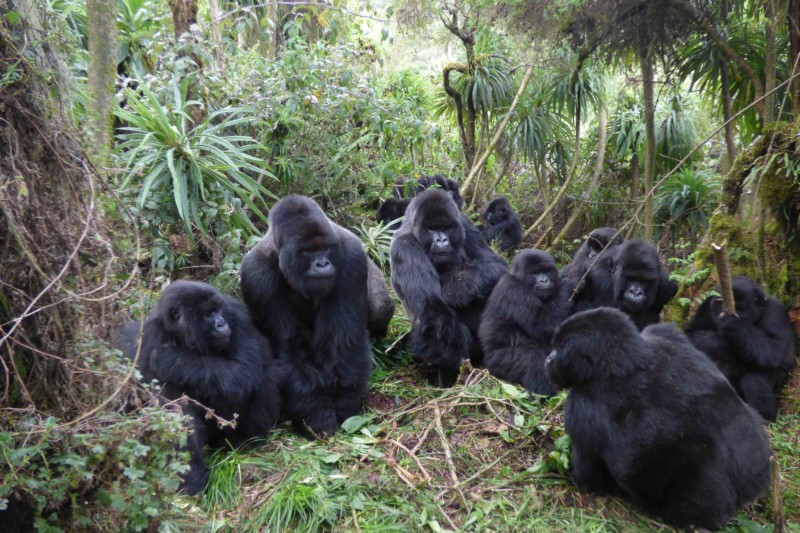
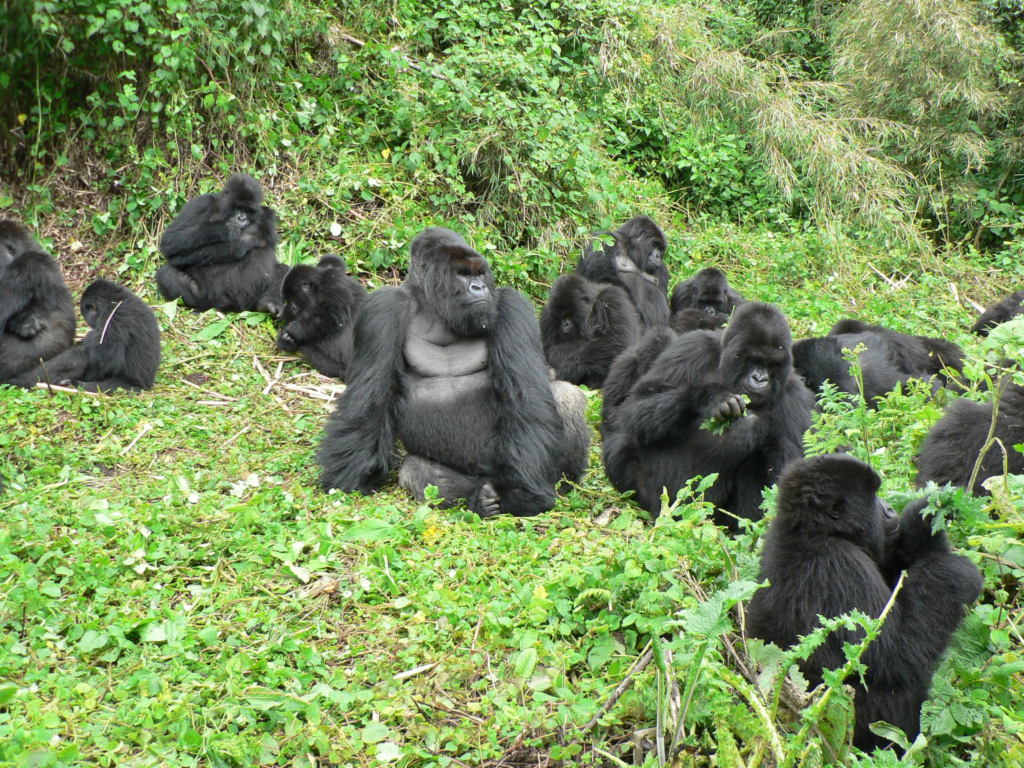
Mountain gorillas live in stable family groups called troops, typically led by a dominant silverback male whose silver-colored back marks his maturity and authority.
These troops can include 5–30 members, including multiple adult females, younger gorillas, and infants. What makes mountain gorillas even more remarkable is that they share 98% of their DNA with humans, making them our closest relatives among all primates.
Their behavior includes complex social interactions, communication through vocalizations, and even emotional expressions like playfulness and grief.
Despite their gentle nature, mountain gorillas face constant threats from habitat loss, poaching, civil unrest, and disease. This is why ethical tourism and responsible gorilla trekking are critical to their survival.
Tourism revenue directly funds conservation programs, anti-poaching patrols, and community development projects around gorilla habitats.
Silverback Gorilla Tour is deeply committed to conservation and responsible tourism, ensuring that every traveler’s visit supports the long-term protection of mountain gorillas while providing meaningful experiences that respect both wildlife and local communities.
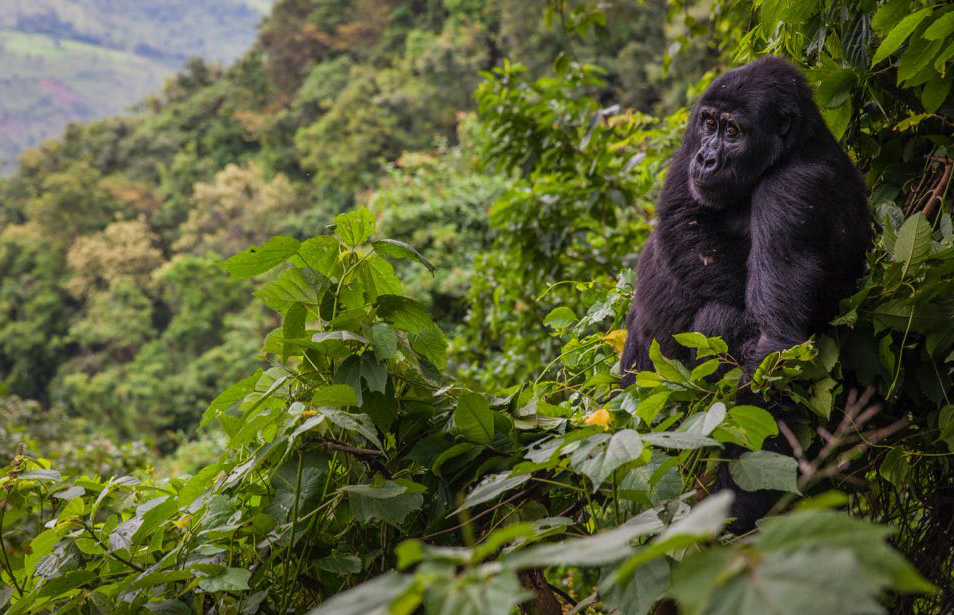
Where to See Mountain Gorillas in the Wild
If you’re planning to see mountain gorillas, you have four primary destinations across three countries. Each park offers unique advantages depending on your budget, fitness level, and travel preferences.
Below is a detailed breakdown of the best places for gorilla trekking.
Bwindi Impenetrable Forest, Uganda
Bwindi Impenetrable Forest is the most popular destination for mountain gorilla trekking and home to nearly half of the world’s remaining mountain gorilla population.
The park hosts over 19 gorilla families available for trekking, giving visitors a higher success rate for sightings. Bwindi also has excellent infrastructure, including multiple lodges, guided trails, and experienced Uganda Wildlife Authority (UWA) rangers.
Trekking here is moderately challenging due to steep terrain and dense vegetation, but the reward of seeing mountain gorillas makes it worthwhile.
Mgahinga Gorilla National Park, Uganda
Mgahinga Gorilla National Park is a smaller park that forms part of the Virunga Mountains ecosystem. It hosts only 2–3 gorilla families, making it a more exclusive and intimate experience for travelers seeking privacy.
While the park is smaller, it offers beautiful alpine vegetation, volcanic peaks, and opportunities to see other wildlife like golden monkeys and buffalo. Trekking in Mgahinga is slightly less crowded than Bwindi, but permit availability is limited.
Volcanoes National Park, Rwanda
Volcanoes National Park in Rwanda is the most accessible gorilla trekking destination from Kigali International Airport, with only a 2–3 hour drive to the park headquarters.
This convenience makes it ideal for travelers with limited time. However, Rwanda gorilla permits are significantly more expensive ($1,500 per person) compared to Uganda.
The trade-off is access to luxurious lodges, high-end accommodations, and well-maintained trekking routes.
Rwanda is perfect for travelers seeking a premium gorilla safari experience.
Virunga National Park, DRC
Virunga National Park in the Democratic Republic of Congo (DRC) offers the most affordable gorilla permits ($400–$500), making it the cheapest option for mountain gorilla trekking.
The park is part of the same Virunga mountain range as Uganda and Rwanda and hosts several gorilla families. However, travelers must consider security considerations due to past civil unrest in the region.
While the park has improved significantly, it’s essential to check current safety conditions and travel advisories before booking.
Comparison of Gorilla Trekking Destinations
Not sure which park is best? Contact Silverback Gorilla Tour for a free personalized recommendation based on your budget, fitness level, and travel dates.
How Gorilla Trekking Works Step by Step
Understanding the gorilla trekking process will help you prepare mentally and physically for your mountain gorilla adventure.
Below is a detailed step-by-step guide to what happens on the day of your trek.
-
Book your permit in advance through Silverback Gorilla Tour. Permits must be secured 6–12 months ahead for high season (June–September, December–February).
-
Arrive at the park headquarters early morning (typically 7:00 AM). Punctuality is critical because treks begin promptly.
-
Receive a briefing by rangers from the Uganda Wildlife Authority (UWA) or Rwanda Development Agency (RDA). The briefing covers rules, time limits, safety protocols, and gorilla behavior.
-
Trek into the forest with your guide and ranger. Trekking duration varies from 1–6 hours depending on the gorilla family’s location. Terrain includes steep slopes, dense vegetation, and muddy paths.
-
Spend 1 hour with gorillas in the wild. This is the core experience: observing mountain gorillas feeding, playing, resting, and interacting as a family.
-
Return to the starting point and receive an official gorilla trekking certificate commemorating your experience.
Critical Rules for Gorilla Trekking
-
No eating near gorillas: Food can contaminate their environment.
-
Keep 7–10 meters (23–33 feet) distance from gorillas to prevent disease transmission.
-
No flash photography: Flash can disturb gorillas and cause stress.
-
No trekking if sick: Contagious illnesses (even mild colds) can infect gorillas.
-
Stay with your group: Never wander off or approach gorillas alone.
-
Follow guide instructions: Your guide knows gorilla behavior and ensures safety.
Silverback Gorilla Tour handles all logistics for your trek, including permits, transport, experienced guides, and accommodation. You focus on the experience while we manage the details.
Best Time to See Mountain Gorillas
Choosing the right time for your mountain gorilla trek significantly impacts your experience, comfort, and success rate.
The best time depends on weather conditions, permit availability, and your personal preferences.
-
Dry seasons (June–September and December–February): These are the optimal periods for gorilla trekking. Trails are less muddy, hiking is easier, and visibility is better. However, these months are high season, so permits book up 6–12 months ahead.
-
Wet seasons (March–May and October–November): During these months, the forest is lush and green, with fewer tourists and more intimate experiences. However, trails are muddy, hiking is more challenging, and rain is frequent. The wet season is ideal for travelers seeking lower costs and unique photography opportunities.
Permit availability is critical. High season permits in Bwindi and Volcanoes National Park often sell out months in advance.
Silverback Gorilla Tour recommends booking early to secure your preferred dates. If you’re flexible, wet season offers great value and exclusive experiences with mountain gorillas.
Gorilla Trekking Costs & Permit Prices
Understanding gorilla trekking costs helps you plan your budget accurately.
The main cost is the gorilla permit, but additional expenses include transport, accommodation, gear, and tips.
Gorilla Permit Pricing by Country
How Silverback Gorilla Tour Saves You Money
-
Secures permits at official rates with no hidden fees.
-
Offers bundled packages (permit + lodge + transport) at discounted rates.
-
Finds last-minute permits when available, saving you from waiting months.
-
Negotiates lodge rates and provides transparent pricing.
Get a free customized quote including permits, lodges, and transport from Silverback Gorilla Tour.
Why Choose Silverback Gorilla Tour?
Why Choose Silverback Gorilla Tour for Your Mountain Gorilla Adventure
Choosing the right tour operator is critical for a safe, smooth, and memorable mountain gorilla trek. Silverback Gorilla Tour stands out as the best choice for several compelling reasons.
-
Local expertise: Based in Uganda, we have deep knowledge of Bwindi Impenetrable Forest and Virunga Mountains, including gorilla family locations, trekking routes, and lodge recommendations.
-
Trusted operator: Our team includes experienced guides and professional drivers with years of gorilla trekking experience and wildlife safety training.
-
Personalized itineraries: We tailor tours for families, honeymooners, solo travelers, and groups, ensuring your trip matches your preferences.
-
Full-service packages: We handle permits, transport, lodges, activities, and airport transfers, so you don’t worry about logistics.
-
Conservation-focused: Part of your fee directly supports gorilla protection, anti-poaching patrols, and community development projects.
-
High customer satisfaction: We maintain outstanding reviews, responsive support, and a 98% success rate for gorilla sightings.
-
Transparent pricing: No hidden fees, no surprise charges, and official permit rates guaranteed.
Book your mountain gorilla trek with confidence through Silverback Gorilla Tour.
Tips for a Successful Gorilla Trek
Preparing properly ensures a safe, comfortable, and enjoyable mountain gorilla trek. Follow these essential tips:
-
Physical fitness: Trekking involves moderate hiking with steep sections. Basic fitness helps, but guides assist all ages.
-
Essential gear:
-
Waterproof jacket (rain is common)
-
Hiking boots (ankle support, waterproof)
-
Gloves (for grasping vegetation)
-
Walking stick (provided by guides)
-
-
What to pack:
-
Water (2 liters minimum)
-
Snacks (energy bars, fruits)
-
Camera (no flash, extra batteries)
-
Sunscreen and insect repellent
-
Daypack (lightweight, waterproof)
-
-
Health requirements: Do not trek if sick (contagious illnesses can infect gorillas). Carry personal medication.
-
Mindset: Be patient, respect rules, and enjoy the moment. Gorillas may be far initially, but guides track them expertly.
Silverback Gorilla Tour provides a detailed packing list and pre-trip briefing to ensure you’re fully prepared.
Frequently Asked Questions About Mountain Gorillas & Trekking
-
How much does a mountain gorilla trek cost?
Permits range from $1,500 depending on country; full packages vary from $1,500–$5,000. -
How far in advance should I book?
Ideally 6–12 months, especially for high season (June–September, December–February). -
Is gorilla trekking difficult?
Moderate to challenging; fitness helps, but guides assist all ages and fitness levels. -
Can children go gorilla trekking?
Most parks require minimum age 15; check with Silverback Gorilla Tour for exceptions. -
What if we don’t see gorillas?
Rare; permits usually guarantee sightings with a 98% success rate. -
How long is the trek?
2–8 hours total, depending on gorilla location and terrain. -
How do I book with Silverback Gorilla Tour?
Contact us via website form, WhatsApp, or email for a free quote.
Conclusion
Book Your Mountain Gorilla Adventure Today
Mountain gorillas are a once-in-a-lifetime experience that combines wildlife wonder, conservation impact, and personal adventure.
Uganda and Rwanda offer the best opportunities for gorilla trekking, with Bwindi Impenetrable Forest and Volcanoes National Park being the top destinations.
Silverback Gorilla Tour makes planning easy, safe, and stress-free, handling everything from permits to lodges to transport.
Don’t miss the chance to see mountain gorillas in the wild. Book your gorilla trekking safari with Silverback Gorilla Tour today and get a personalized quote within 24 hours.