
Mountain Gorilla Population in 2026: Only 1,063 Left in the Wild Ultimate Guide
Only 1,063 mountain gorillas remain on Earth—but their numbers are growing. This mountain gorilla population milestone represents conservation success, with numbers rising from 1,004 in 2018 to 1,063 in 2024.
Learn the latest mountain gorilla population data, where they live, and how to see them responsibly with Silverback Gorilla Tour.
Whether you’re planning gorilla trekking in Uganda, researching endangered gorilla conservation, or looking for Uganda safari packages, this guide delivers everything you need.
Current Mountain Gorilla Population (2025–2026 Census)
The mountain gorilla population has reached a historic high of 1,063 individuals as of 2024, according to the latest Bwindi–Sarambwe mountain gorilla census.
This represents a significant increase from 1,004 gorillas recorded in 2018, marking approximately 6% population growth over six years.
Key Population Statistics:
-
2010 Census: 786 mountain gorillas
-
2018 Census: 1,004 mountain gorillas
-
2025 Census: 1,063 mountain gorillas (latest available)
-
Growth Rate: ~1% annually since 2018
In 2018, the IUCN Red List downgraded mountain gorillas from “Critically Endangered” to “Endangered”—a major conservation milestone reflecting successful protection efforts.
Despite this progress, mountain gorillas remain one of the most endangered primates on Earth, with all individuals living in just two isolated populations.
Population Distribution by Region:
The two populations are separated by approximately 24 kilometers and cannot interbreed, making each group genetically unique and critically important for gorilla conservation.
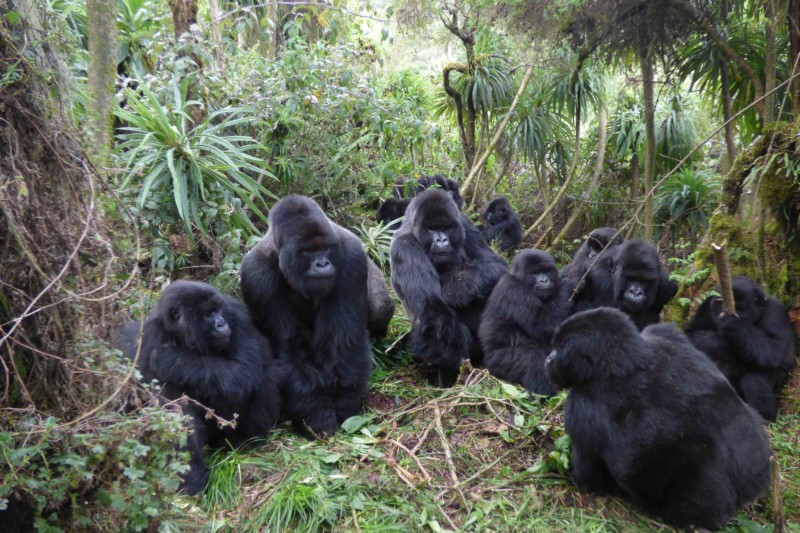
Where Do Mountain Gorillas Live?
Mountain gorillas inhabit only two remote regions in Central Africa, making them the most geographically restricted great ape on the planet.
Primary Habitats:
-
Virunga Mountain Range – Spreads across three countries:
-
Uganda (Mgahinga Gorilla National Park)
-
Rwanda (Volcanoes National Park)
-
Democratic Republic of Congo (Virunga National Park)
-
-
Bwindi Impenetrable National Park (Uganda) – Home to more than 50% of the global mountain gorilla population (~560 individuals)
Habitat Characteristics:
-
Altitude: 7,000–14,000 feet (2,200–4,200 meters) above sea level
-
Climate: Cool, misty mountain forest with temperatures ranging from 9°C–25°C
-
Vegetation: Dense bamboo, moss-covered forests, and herbaceous vegetation
-
Adaptation: Mountain gorillas have thicker fur than lowland gorillas to survive cold temperatures
Bwindi’s unique ecosystem makes it the best destination for gorilla trekking in Uganda, offering higher gorilla group availability and better success rates compared to other regions.
Why Is the Mountain Gorilla Population Increasing?
The mountain gorilla population growth from 786 (2010) to 1,063 (2024) is one of Africa’s greatest wildlife conservation success stories.
Three key factors drive this recovery:
1. Anti-Poaching Patrols & Community Conservation
-
Full-time ranger teams conduct daily patrols in Bwindi and Virunga
-
Community-based conservation programs employ local residents as guides, rangers, and park staff
-
Education campaigns reduce human-wildlife conflict and snaring incidents
2. Gorilla Tourism Revenue Funds Protection
-
70% of gorilla permit fees directly fund conservation, anti-poaching, and habitat protection
-
Permit revenue supports veterinary care, research, and community development projects
-
Tourism creates economic incentives for locals to protect gorillas rather than engage in poaching or deforestation
3. Veterinary Care for Sick or Injured Gorillas
-
Gorilla Doctors (non-profit) provide emergency medical treatment to wild gorillas
-
Routine health monitoring tracks disease, injuries, and reproduction rates
-
Vaccination programs protect gorillas from human-borne diseases
Your trekking permit directly saves gorillas. Book with Silverback Gorilla Tour →
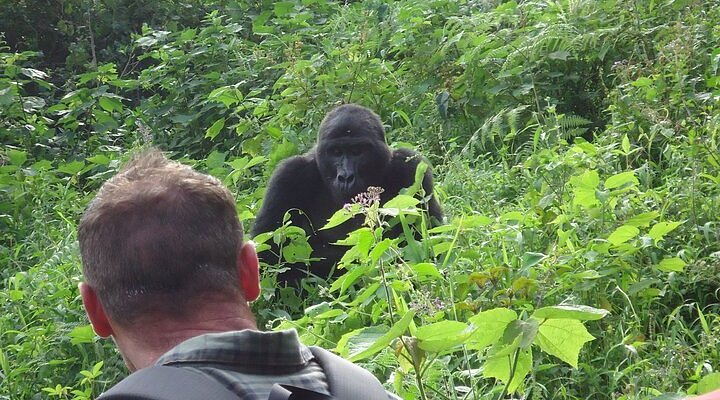
Gorilla Trekking in Uganda: Complete Guide
Uganda offers the best value for gorilla trekking in Africa, with permits at $800 (vs. $1,500 in Rwanda) and world-class gorilla conservation experiences in Bwindi Impenetrable National Park.
Best Time to Visit for Gorilla Trekking
Dry seasons offer the easiest trekking conditions and highest gorilla sighting success:
-
June–August: Long dry season (peak trekking period)
-
December–February: Short dry season (less crowded, lower prices)
-
Avoid: March–May and September–November (heavy rains make trails slippery)
Gorilla Permit Costs (2026) by Country
Uganda offers the most affordable gorilla trekking while maintaining the highest success rates and best infrastructure.
What to Expect on Trekking Day
-
Trek Duration: 2–8 hours hiking through dense forest (average 4 hours)
-
Time with Gorillas: Exactly 1 hour once you locate the group
-
Group Size: Maximum 8 tourists per gorilla family (reduces stress on gorillas)
-
Age Limit: Minimum 15 years old (strictly enforced for safety)
-
Physical Difficulty: Moderate to strenuous (steep, muddy terrain at high altitude)
-
What to Bring: Waterproof hiking boots, rain jacket, long pants, gloves, camera (no flash)
Why Choose Silverback Gorilla Tour?
Silverback Gorilla Tour is Uganda’s premier gorilla trekking specialist, offering unmatched expertise and service:
-
Local Ugandan Experts: Born-and-raised guides with 10+ years of gorilla tracking experience
-
98% Success Rate: Highest tracking success rate for habituated gorilla groups in Bwindi
-
All-Inclusive Packages: Transport, lodging, permits, meals, and park fees included
-
Instant Permit Confirmation: Direct partnerships with Uganda Wildlife Authority (UWA)
-
Small Group Sizes: Maximum 6 travelers per group for personalized attention
-
Conservation Focus: 5% of proceeds support gorilla conservation and local communities
🔥 Limited 2026 Permits Available – Reserve Your Spot →
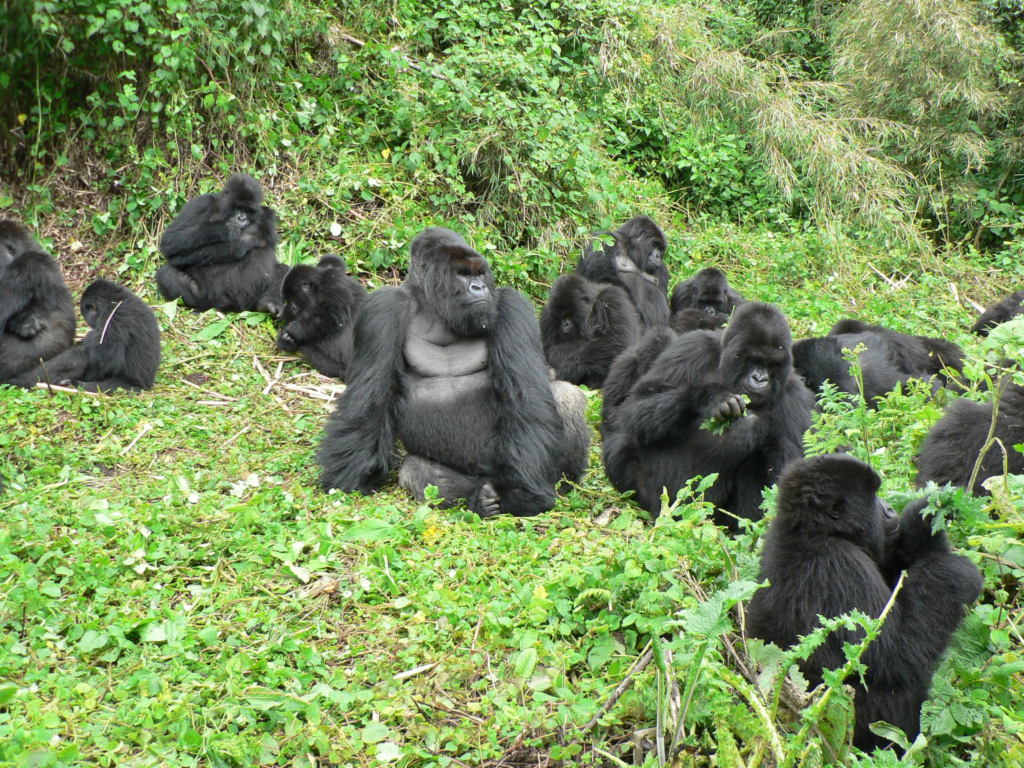
How You Can Help Save Mountain Gorillas
Every traveller can contribute to mountain gorilla conservation through responsible tourism:
-
Buy Gorilla Permits: 70% of permit fees fund anti-poaching, veterinary care, and habitat protection
-
Support Local Communities: Choose tour operators like Silverback Gorilla Tour that hire local guides and employ community-approved practices
-
Follow Trekking Rules:
-
Maintain 7 meters (23 feet) distance from gorillas
-
No photos with flash (startles gorillas)
-
Do not visit if sick (human diseases can kill gorillas)
-
Limit viewing to 1 hour (reduces stress)
-
-
Spread Awareness: Share your experience and encourage others to support gorilla conservation
-
Donate to Conservation: Support organizations like Gorilla Doctors and Uganda Wildlife Authority
🌍 Trek Responsibly with Silverback Gorilla Tour – Book Now & Save Gorillas →
Frequently Asked Questions (FAQ)
How many mountain gorillas are left in 2026?
A: 1,063 mountain gorillas remain (2024 census, the latest available data). This is up from 1,004 in 2018, showing continued population growth.
Q: Are mountain gorillas still endangered?
A: Yes. Mountain gorillas were downgraded from “Critically Endangered” to “Endangered” in 2018 by the IUCN, but they remain one of the world’s most endangered primates.
Q: How much does gorilla trekking cost in Uganda?
A: Gorilla permits cost $800 for foreign non-residents. Complete Silverback Gorilla Tour packages range from $1,500 to $10+ (including permit), covering transport, lodging, and meals.
Q: Can children go gorilla trekking?
A: No. The minimum age is 15 years, strictly enforced by Uganda Wildlife Authority for safety and gorilla protection.
Q: How do I book with Silverback Gorilla Tour?
A: Visit our website or contact +256 701800149 for instant permit confirmation and personalized Uganda safari planning.
Conclusion
The mountain gorilla population has grown from 786 (2010) to 1,063 (2024), proving that tourism + conservation works.
Thanks to anti-poaching patrols, gorilla tourism revenue, and veterinary care, these magnificent primates are recovering—but they remain endangered with only 1,063 left in the wild.
Only 1,063 mountain gorillas remain—see them before it’s too late.
Book your gorilla trekking adventure in Uganda with Silverback Gorilla Tour today and experience the world’s most endangered great ape while supporting conservation.