Chimpanzee Habituation in Kibale National Park: An Immersive Journey into the World of Our Closest Relatives
Chimpanzee Habituation in Kibale National Park: Kibale National Park, often called the “Primate Capital of the World,” stands as one of Uganda’s premier conservation areas. Located in western Uganda, near the foothills of the Rwenzori Mountains, this lush tropical rainforest spans approximately 795 square kilometers.
It boasts exceptional biodiversity, with over 13 primate species, more than 375 bird species, and a rich array of mammals, insects, and plants. At the heart of its appeal for visitors is the chimpanzee population—estimated at around 1,500 individuals within the park, part of Uganda’s total of roughly 5,000.
What sets Kibale apart is not just the density of chimpanzees but the opportunity for deep engagement through chimpanzee habituation experiences (often called CHEX).
Unlike standard chimpanzee trekking, which limits visitors to about one hour with habituated groups, habituation allows extended time—up to four to twelve hours—observing semi-habituated or actively habituating communities as they go about their daily lives.
What Is Chimpanzee Habituation?
Chimpanzee habituation is the gradual process of acclimating wild chimpanzees to human presence. Researchers, rangers, and trackers spend months or years following groups daily, maintaining a respectful distance while allowing the primates to become comfortable.
This can take up to two years or more per community before they tolerate consistent human observation without stress or flight responses.
The goal extends beyond tourism. Habituation supports long-term scientific research, such as the Kibale Chimpanzee Project (KCP), which has studied communities like Kanyawara since 1987. Researchers examine behavior, ecology, diet, social dynamics, physiology, and responses to habitat changes. Habituation also enables sustainable eco-tourism that generates revenue for conservation while minimizing disturbance.
In Kibale, several communities have been habituated to varying degrees. The Kanyanchu community, monitored intensively since the early 1990s, is a prime example. Habituation has dramatically improved sighting success rates—from around 20% in earlier years to nearly 99% today.
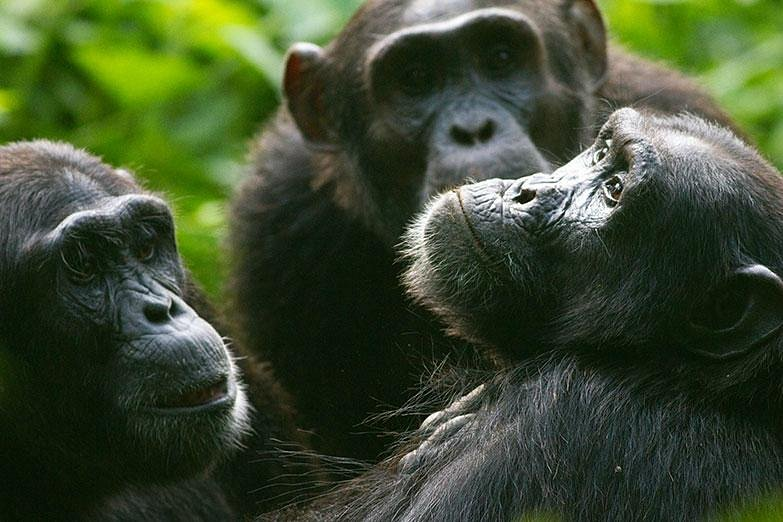
A Typical Day in the Chimpanzee Habituation Experience
The experience begins early. Visitors gather around 6:30 AM at the Kanyanchu Visitor Center for a briefing on rules, safety, and etiquette. Groups are small—typically limited to 4–6 people—to reduce impact. Permits are required, and visitors must carry originals.
Armed with packed lunches and water, the group heads into the forest with experienced guides and rangers. There are no fixed trails for habituation groups; participants follow fresh signs such as night nests, vocalizations (hoots, barks, and pant-hoots), fruit falls, and footprints.
The terrain can be muddy, hilly, or dense with undergrowth, especially in the rainy season. Sturdy boots, long sleeves, trousers, gaiters (for safari ants), insect repellent, and rain gear are essential.
Once located, the real magic unfolds. You observe chimpanzees de-nesting at dawn, feeding on figs, fruits, leaves, and occasionally hunting smaller monkeys or duikers. Social behaviors shine through: grooming sessions strengthen bonds, mothers care for infants, juveniles play, and males patrol territories. You might witness vocal communications, tool use (like using sticks for termites), or even inter-group tensions.
Guides share insights into individual personalities—names like “Queen” (a playful infant) or others with unique histories. Researchers sometimes join, studying topics like infant gut health or social dynamics. By afternoon, chimps may rest, build new nests, or move again. The day ends as they settle for the night, offering a profound, unhurried window into their complex lives.
This extended time fosters respect and connection. Participants often describe it as transformative—more like fieldwork with Jane Goodall than casual wildlife viewing.
The Science and Conservation Value
Long-term studies in Kibale reveal chimpanzees’ sophisticated societies. They form fission-fusion communities where subgroups change dynamically. They exhibit altruism, deception, hunting cooperation, and cultural variations in tool use. Kibale chimps have faced pressures from habitat change, logging history (some areas were logged in the past), and human encroachment, yet populations remain relatively robust due to protection.
Habituation aids conservation by:
- Funding protection through permit fees (a portion supports local communities, reducing poaching incentives).
- Providing data for monitoring health, reproduction, and threats.
- Raising global awareness.
Challenges persist: disease transmission (chimps are susceptible to human illnesses), stress from observers, and external pressures like agriculture near park boundaries. Strict rules—no closer than 7–10 meters, no eating or coughing near them, limited group sizes—help mitigate risks.
Practical Information for Visitors
Permits: For foreign non-residents, chimpanzee habituation permits in Kibale cost around $300 (slightly higher than standard trekking at $250). Foreign residents pay less, and East African citizens have local rates. Book well in advance (months ahead) through the Uganda Wildlife Authority (UWA) or a reputable tour operator, as slots are limited.
Best Time: Available year-round. The dry seasons (December–February, June–September) offer easier trekking with less mud. Rainy seasons bring greener forests and potentially less mobile chimps but more challenging conditions.
Accommodations: Options range from luxury (e.g., Ndali Lodge, Primate Lodge) to mid-range and budget camps near the park. Many combine well with other activities like Bigodi Wetland walks (great for birds and monkeys), crater lake hikes, or community visits.
Physical Demands: Moderate to high fitness is recommended. Days involve hiking, sometimes briskly, in humid conditions. Children under a certain age or those with mobility issues should consider standard trekking instead.
Rules and Ethics: Follow guide instructions strictly. Maintain distance, avoid flash photography, and minimize noise. These practices protect both visitors and chimps.
Kibale complements Uganda’s other primate experiences. While Bwindi or Mgahinga offer mountain gorilla trekking, Kibale provides this unique extended chimpanzee access.
Challenges and Future Outlook
Climate change, habitat fragmentation, and human-wildlife conflict pose ongoing threats. Success depends on continued community involvement, research, and responsible tourism. Visitors who participate contribute directly through fees and by becoming advocates.
The experience underscores our shared ancestry—chimpanzees share about 98-99% of our DNA—and the responsibility to protect them.
Conclusion: Why You Should Experience This with Silverback Gorilla Tour
Chimpanzee habituation in Kibale National Park offers far more than a wildlife sighting—it is a profound educational and emotional journey into the lives of our closest living relatives.
In an era of rapid environmental change, such experiences remind us of the wonder, intelligence, and fragility of the natural world while directly supporting its protection.
For the ultimate primate adventure in Uganda, combine your Kibale chimpanzee habituation with unforgettable mountain gorilla encounters. Silverback Gorilla Tour specializes in crafting seamless, responsible safaris that include expert-guided habituation experiences in Kibale, gorilla trekking in Bwindi Impenetrable National Park, and more.
Their knowledgeable team handles permits, logistics, and accommodations with care, ensuring an ethical, immersive, and memorable trip tailored to your interests.
Don’t just read about these incredible primates—witness their world firsthand. Contact Silverback Gorilla Tour today to plan your journey.
Whether tracking chimps through the misty forests of Kibale or standing in awe before a silverback gorilla, this is a trip that will transform how you see humanity’s place in nature.
Book now and create lifelong memories while contributing to conservation. Uganda’s primates are waiting—your adventure begins with Silverback Gorilla Tours.