Gorilla Trekking Packing List 2026: Essential Items for a Successful Gorilla Safari in Uganda & Rwanda
Gorilla Trekking Packing List: Planning your gorilla trekking adventure is an exciting milestone, but having the right gorilla trekking packing list can make the difference between a comfortable, memorable experience and a challenging one.
Whether you are preparing for mountain gorilla trekking in Bwindi Impenetrable National Park, Mgahinga Gorilla National Park, or Volcanoes National Park in Rwanda, packing smartly is crucial for this physically demanding yet incredibly rewarding activity.
A well-prepared gorilla safari packing list ensures you stay protected from rain, mud, insects, and nettles while remaining comfortable during long treks.
This comprehensive what to pack for gorilla trekking in Uganda and Rwanda guide covers everything you need for a successful 2026 gorilla safari, from essential gear to smart extras that enhance your journey.
Why the Right Gorilla Trekking Packing List Matters
Gorilla trekking involves hiking through dense, steep, and often muddy rainforest terrain for 2 to 7 hours. Weather can change rapidly in equatorial forests, and trails frequently feature stinging nettles, thorny plants, and slippery sections. The right gorilla trekking packing list helps you focus on the magic of your one-hour encounter with mountain gorillas rather than discomfort or safety concerns.
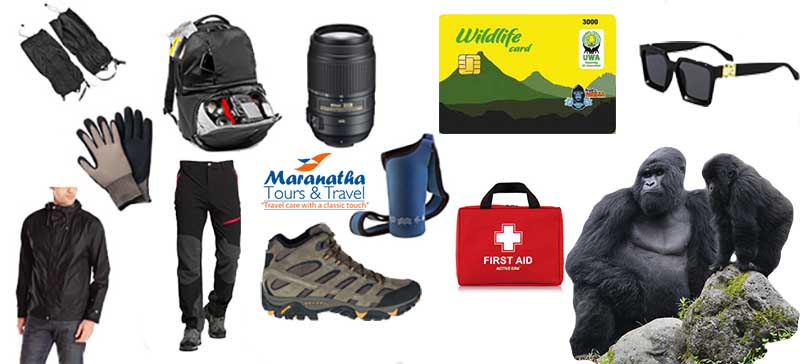
Essentials for Your Gorilla Trekking Packing List
Gorilla Trekking Permit
Your gorilla permit is the most important document on your gorilla trekking packing list. Without it, you cannot join any trek in Bwindi, Mgahinga, or Volcanoes National Park. Secure your permit well in advance through a reputable operator, as availability is limited, especially during peak dry seasons.
Valid Passport and Travel Documents
Carry your passport (valid for at least 6 months beyond your stay) and any required visas. Uganda and Rwanda both offer visa-on-arrival for many nationalities, but having copies and e-tickets ready is essential for smooth border crossings or airport procedures.
Waterproof Daypack
A sturdy, waterproof daypack (20–30 liters) is a must-have on every gorilla safari packing list. Use it to carry your camera, binoculars, gorilla permit, packed lunch, snacks, rain jacket, and drinking water. Choose one with comfortable straps for long hikes.
Sturdy Waterproof Hiking Boots
High-quality, ankle-supporting waterproof hiking boots are non-negotiable for gorilla trekking in Bwindi or Volcanoes National Park. Trails are often muddy, steep, and covered with roots and vines. Break them in before your trip to avoid blisters.
Gardening Gloves or Trekking Gloves
Lightweight gardening gloves protect your hands from stinging nettles, thorns, and sharp bamboo while gripping vegetation during steep sections. This small item is frequently overlooked but highly recommended on every what to pack for gorilla trekking checklist.
Lightweight Rain Jacket or Poncho
Rain can occur any time in equatorial forests, even during dry seasons. A breathable, packable rain jacket is essential. Many trekkers also carry a lightweight poncho as backup.
Long-Sleeved Shirts and Long Trousers
Pack several long-sleeved shirts and lightweight, quick-dry trousers in neutral colors (khaki, green, brown). These protect against insects, nettles, and sunburn while helping you blend into the forest environment during gorilla encounters.
Sweater or Fleece Layer
Mornings and evenings in Bwindi and Volcanoes can be chilly. A warm fleece or sweater is important for early starts and cooler forest sections.
Important Extras to Include in Your Gorilla Trekking Packing List
Energy Snacks and Hydration
Gorilla trekking is physically demanding. Pack high-energy snacks such as nuts, energy bars, and dried fruits. Carry at least 2 liters of water or a reusable bottle that can be refilled at the lodge.
Insect Repellent and Sunscreen
Strong insect repellent (with DEET) helps protect against mosquitoes, safari ants, and tsetse flies. High-SPF sunscreen is necessary for open sections of the trek and lodge areas.
Binoculars and Camera
Good binoculars enhance birdwatching and distant gorilla viewing before you get closer. Bring a reliable camera with extra batteries and memory cards. Flash photography is strictly prohibited during gorilla encounters.
First Aid Kit and Personal Medications
Include basic first aid supplies, anti-malarial medication (if prescribed), painkillers, anti-diarrhea tablets, allergy remedies, and any personal prescriptions. A small blister kit is also useful.
Socks and Gaiters
Long, thick socks help keep safari ants out. Gaiters provide extra protection against mud and debris entering your boots.
Money Belt and Small Cash
A discreet money belt is useful for carrying tips, small purchases, and emergency cash. Uganda and Rwanda both use local currencies, though USD is widely accepted for tips.
Sunglasses, Hat, and Lip Balm
Protect yourself from strong equatorial sun with a wide-brimmed hat, UV-blocking sunglasses, and lip balm.
Sandals or Light Shoes
A comfortable pair of sandals is great for relaxing at the lodge after trekking or for evening activities.
Swimsuit (Optional)
If your lodge has a swimming pool (common in mid-range and luxury options), pack a swimsuit for relaxation after long trekking days.
Underwear, Pajamas, and Sleepwear
Pack enough quick-dry underwear and warm sleepwear. Nights in the highlands can get surprisingly cold.
Toiletries and Personal Care
Include biodegradable toilet paper, hand sanitizer, wet wipes, toothbrush, toothpaste, shampoo, lotion, and any feminine hygiene products. Most lodges provide basic toiletries, but having your own ensures comfort.
Power Bank and Chargers
A good power bank is essential as electricity can be limited in remote lodges. Bring chargers for your camera, phone, and other devices.
Additional Smart Tips for Your Gorilla Trekking Packing List
- Pack Light but Smart: Porters can carry a main bag, but your daypack should contain only essentials for the trek.
- Neutral Colors: Avoid bright colors that may disturb wildlife.
- Hire a Porter: Hiring a local porter not only helps carry your gear but also supports community livelihoods around the parks.
- Layering is Key: Temperatures vary significantly between morning, midday, and evening in the forests.
A thoughtfully prepared gorilla trekking packing list ensures you stay comfortable, safe, and focused on the incredible experience of meeting mountain gorillas in their natural habitat. From sturdy hiking boots and rain gear to gloves, snacks, and proper documentation, every item plays an important role in making your Bwindi or Volcanoes gorilla safari successful.
At Maranatha Tours and Travel, we specialize in creating seamless, well-prepared gorilla trekking safaris in Uganda and Rwanda. We help you secure gorilla permits, arrange experienced guides and porters, book comfortable lodges, and provide personalized packing advice tailored to your chosen sector and season. Our team ensures every detail is taken care of so you can fully enjoy this once-in-a-lifetime adventure.
Whether you are planning your first gorilla trekking experience in Bwindi or returning for another unforgettable encounter in Mgahinga or Volcanoes National Park, we are here to make your safari smooth, safe, and truly extraordinary.
Contact us today to start planning your 2026 gorilla trekking safari. Let us help you prepare the perfect gorilla trekking packing list and turn your dream of standing among wild mountain gorillas into reality. Your adventure in the Pearl of Africa and the Land of a Thousand Hills awaits.