Genocide Memorial Sites in Rwanda – A Complete 2026 Ultimate Guide
Genocide memorial sites in Rwanda: The 1994 genocide against the Tutsi remains one of the most heartbreaking events in modern African history, where over 1 million Tutsi and moderate Hutu civilians were systematically killed in just 100 days.
Today, genocide memorial sites in Rwanda serve as powerful places of remembrance, education, and healing, preserving the truth of what happened while honoring the victims.
These sites are not only critical for understanding Rwanda’s past but also for supporting the country’s journey toward unity and reconciliation.
For travelers seeking a respectful, expert-guided genocide tour in Rwanda, Silverback Gorilla Tour offers personalized, trauma-informed experiences that ensure visitors gain deep historical insight while honoring the dignity of survivors and victims.
Our team specializes in Rwanda memorial tours, combining historical accuracy with compassionate guidance to create meaningful journeys for international visitors.
The 4 UNESCO-Recognized Genocide Memorial Sites in Rwanda
In October 2023, UNESCO added four major genocide memorial sites in Rwanda to its prestigious World Heritage List, recognizing their global significance in preserving the history of the genocide against the Tutsi.
These sites represent more than 200 locations where massacres occurred and are essential destinations for anyone visiting Rwanda.
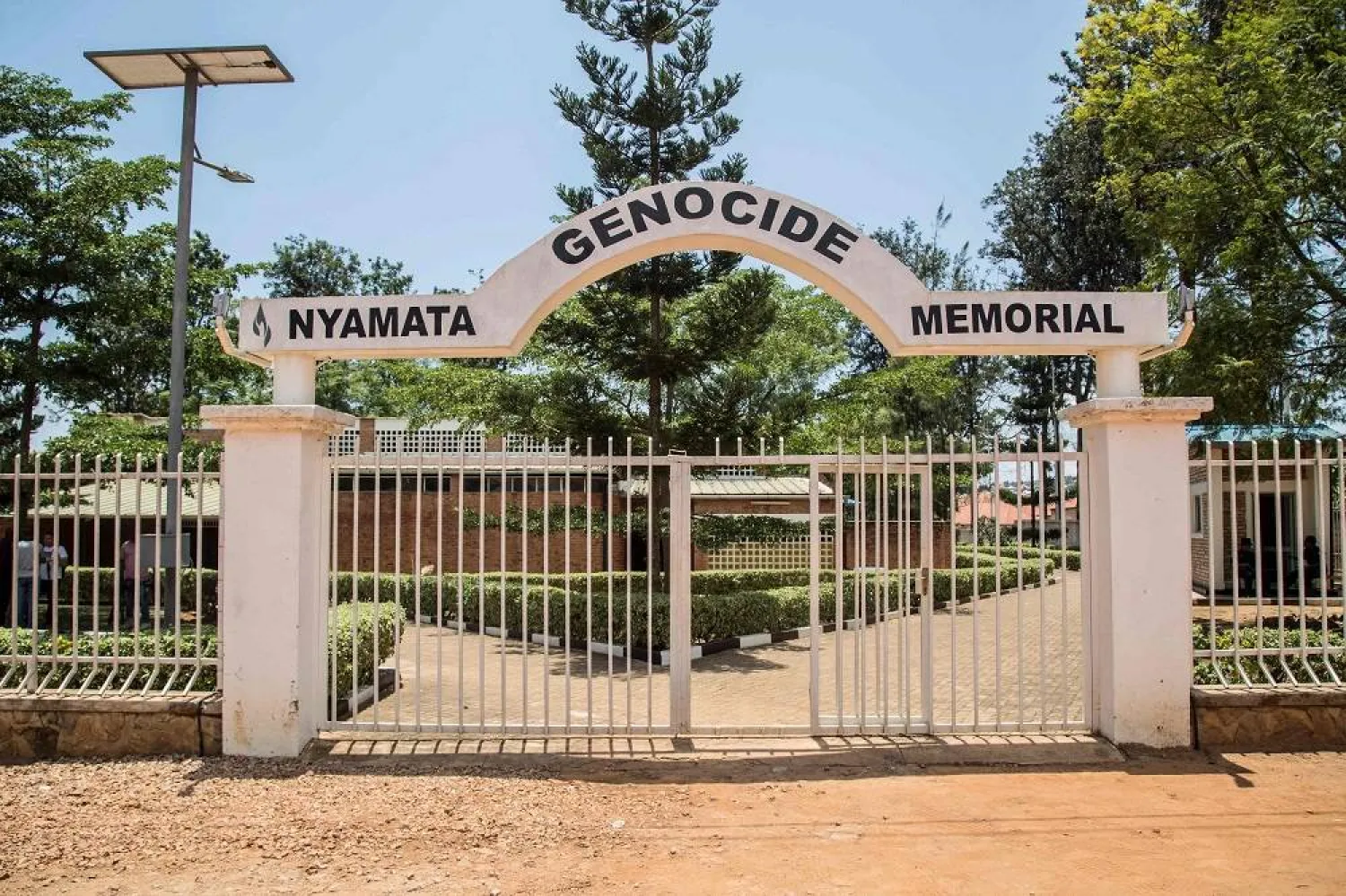
1. Nyamata Memorial Site
-
Location: Nyamata, in the Bugesera District (about 40 km from Kigali)
-
Key Features: Former church where over 38,000 victims were killed; bodies preserved in original positions; museum with personal belongings
-
What Visitors Experience: Guided tours explaining the timeline of the massacre, survivor testimonies, and a solemn burial ground
The Nyamata Memorial Site is one of the most visited genocide memorial sites in Rwanda, offering a deeply emotional yet educational experience.
Visitors walk through the church where thousands were murdered, seeing clothes, shoes, and bones left untouched as evidence of the brutality.
2. Ntarama Memorial Site
-
Location: Ntarama, also in Bugesera District (near Nyamata)
-
Brief Overview: Another church-based memorial where approximately 5,000 victims were killed
-
Church Setting: The damaged church structure remains intact, with walls bearing bullet marks and blood stains
-
Survivor Testimonies: Regular visits by survivors who share personal stories of escape and loss
The Ntarama Memorial Site provides a quieter, more reflective atmosphere compared to Nyamata, yet it carries the same weight of historical truth.
Survivor stories here are particularly powerful, helping visitors connect emotionally with the human cost of the genocide.
3. Murambi Genocide Memorial
-
Location: Murambi, in the Gicumbi District (northern Rwanda)
-
Unique Feature: The only site in Rwanda where preserved bodies of victims are displayed for educational purposes using a special lime preservation technique
-
Cultural Significance: Represents the scale of violence in northern Rwanda; serves as a stark reminder of the genocide’s brutality
The Murambi Genocide Memorial is unlike any other genocide memorial site in Rwanda.
Over 50,000 victims are preserved here, making it one of the most visually impactful and emotionally challenging sites.
It is essential for visitors seeking to fully understand the magnitude of the crime.
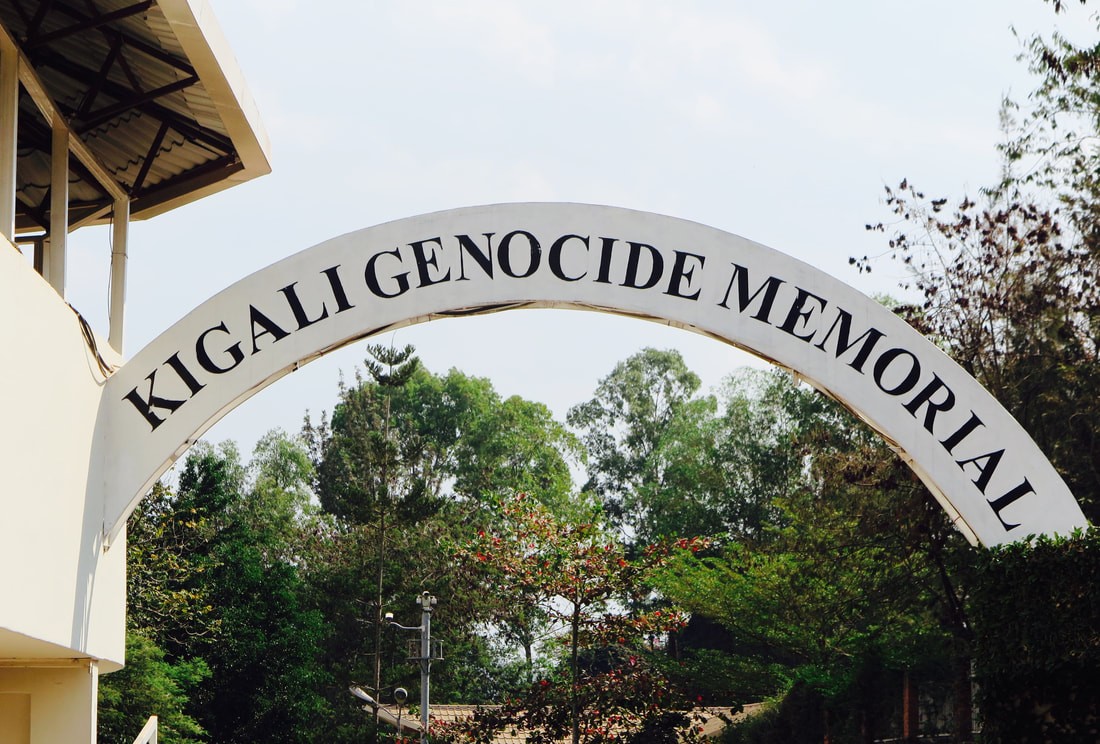
4. Gisozi Cathedral (Katlehong) Memorial
-
Location: Gisozi, on the outskirts of Kigali
-
Largest Burial Site: Contains over 250,000 victims, making it the biggest genocide burial ground in Rwanda
-
Cathedral Setting: Built around a modern cathedral with peaceful gardens and a memorial museum
-
Additional Features: Sound-and-light presentations, survivor dialogue programs
The Gisozi Cathedral Memorial is the most accessible genocide memorial site in Rwanda for travelers staying in Kigali.
Its serene gardens and well-maintained museum make it an ideal starting point for understanding the genocide before visiting other sites.
Why Visit These Memorials?
Visiting genocide memorial sites in Rwanda is not just about tourism—it’s about education, healing, and supporting memory preservation.
Here are three compelling reasons to include these sites in your Rwanda travel plan:
-
Educational Value: These memorials provide firsthand historical evidence of the 1994 genocide, including victim belongings, photographs, and survivor testimonies that cannot be found in books.
-
Healing and Remembrance: For many visitors, especially those with African heritage or interest in human rights, visiting these sites offers a chance to honor the victims and reflect on the importance of preventing future atrocities.
-
Supporting Rwanda’s Tourism and Memory Preservation: Tourism revenue helps fund the maintenance of memorial sites, supports survivor programs, and contributes to Rwanda’s broader economic recovery. By choosing a responsible tour operator like Silverback Gorilla Tour, you directly support Rwanda’s memory preservation efforts.
How Silverback Gorilla Tour Makes Your Visit Meaningful
Silverback Gorilla Tour stands out as the leading provider of respectful genocide memorial tours in Rwanda, offering experiences that balance historical accuracy with emotional sensitivity.
Here’s how we ensure your journey is meaningful:
-
Expert, Trauma-Trained Guides: Our guides are certified history experts and trauma-informed facilitators who understand the emotional weight of these sites. They provide accurate information while respecting visitors’ emotional boundaries.
-
Respectful Itinerary Planning: We design itineraries that allow adequate time for reflection at each site, avoiding rushed tours. Our packages include Nyamata, Ntarama, Murambi, and Gisozi based on your preference.
-
Transportation, Scheduling, and Survivor Engagement Options: We provide comfortable, private transportation from Kigali or your lodge, flexible scheduling, and optional meetings with survivors (with prior consent).
-
Why Travelers Choose Silverback Gorilla Tour: Guests consistently rate us as the most compassionate and informative genocide tour provider in Rwanda, with 5-star reviews highlighting our professionalism, empathy, and historical depth.
When you book with Silverback Gorilla Tour, you’re not just getting a tour—you’re gaining a trusted partner in Rwanda’s memory preservation journey.
Planning Your Genocide Memorial Tour – Practical Tips
Preparing for a visit to genocide memorial sites in Rwanda requires both practical and emotional readiness.
Follow these essential tips to ensure a respectful and meaningful experience:
-
Best Time to Visit: The ideal time is during dry seasons (June–September or December–February) for easier road access to Murambi and Bugesera sites. Avoid visiting during genocide commemoration periods (April) unless you’re prepared for large crowds and emotional intensity.
-
What to Wear (Respectful Clothing): Dress modestly—long pants or skirts, closed shoes, and covered shoulders. Avoid loud colors; black, white, or neutral tones are preferred.
-
Emotional Preparation: These sites can be emotionally overwhelming. Bring a friend or travel companion, allow time for rest after the tour, and consider speaking with our guides about your emotional needs before the visit.
-
Booking Process with Silverback Gorilla Tour:
-
Visit our website or contact us via WhatsApp/email
-
Choose your preferred memorial sites (full 4-site tour or partial)
-
Confirm date, transportation, and any special requests (e.g., survivor meeting)
-
Receive instant confirmation and itinerary details
-
Frequently Asked Question – Genocide Memorial Tours in Rwanda
Q: Are these tours suitable for children?
A: We recommend ages 12+ for genocide memorial tours due to the emotional intensity. For younger children, we offer modified educational programs focusing on peace and reconciliation.
Q: How long does the tour take?
A: A full 4-site tour takes 8–10 hours including transportation. Partial tours (e.g., Gisozi + Nyamata) take 4–5 hours.
Q: Can I meet survivors?
A: Yes! Silverback Gorilla Tour can arrange survivor dialogue sessions with prior consent. These are deeply meaningful but require emotional preparation.
Q: How do I book with Silverback Gorilla Tour?
A: Simply visit our website, call us, or message us on WhatsApp. We offer instant booking confirmation, flexible payment options, and custom itinerary planning.
Book Your Respectful Journey Today
Don’t miss the opportunity to experience one of the most important historical journeys in Africa.
Book now with Silverback Gorilla Tour for a meaningful, educational genocide memorial tour in Rwanda that honors the victims while supporting Rwanda’s future.
Our team is ready to create a personalized itinerary that fits your schedule and emotional needs.
👉 Click Here to Book Your Silverback Gorilla Tour Now
Conclusion
Visiting genocide memorial sites in Rwanda is a profound act of remembrance, education, and respect.
These UNESCO-recognized sites preserve the truth of the 1994 genocide against the Tutsi, ensuring that history is never forgotten.
By choosing Silverback Gorilla Tour, you support Rwanda’s memory preservation efforts while gaining a deeply meaningful travel experience.
We invite all travelers to join us in honoring the victims, learning from the past, and contributing to a future of peace.
Book your genocide memorial tour with Silverback Gorilla Tour today—and turn your visit into a legacy of remembrance.