Umubano Gorilla Family: A Story of Harmony, Leadership, and Resilience in Volcanoes National Park
The Umubano Gorilla Family stands as one of the most intriguing habituated mountain gorilla groups in Rwanda’s Volcanoes National Park. The name “Umubano” comes from the Kinyarwanda word meaning “living together in harmony” or “neighborliness,” which perfectly captures the group’s unique history and character.
This family emerged from a dramatic split within the well-known Amahoro group and has since established itself as a stable, peaceful unit that visitors often describe as approachable and emotionally rewarding during gorilla trekking experiences.
History and Formation of the Umubano Gorilla Family
The Umubano Gorilla Family traces its origins to the larger Amahoro group, one of the longest-habituated families in the park. In the early 2000s, tensions arose between two powerful silverbacks: Ubumwe, the dominant leader of Amahoro, and a maturing silverback gorilla named Charles.
As Charles grew into his full strength and status, he began to challenge Ubumwe’s authority. Their rivalry escalated into prolonged conflicts that lasted for weeks and months.
Eventually, Charles succeeded in attracting several females and breaking away to form his own group. This split was not entirely violent in the end, and the two groups have maintained a relatively harmonious coexistence over the years, often ranging in overlapping territories.
This peaceful neighboring dynamic is what inspired the name Umubano. Since its formation around 2001–2005, the group has grown and stabilized under Charles’s leadership, representing both natural gorilla social dynamics and the successful conservation efforts in the Virunga Mountains.
Current Group Composition and Social Structure
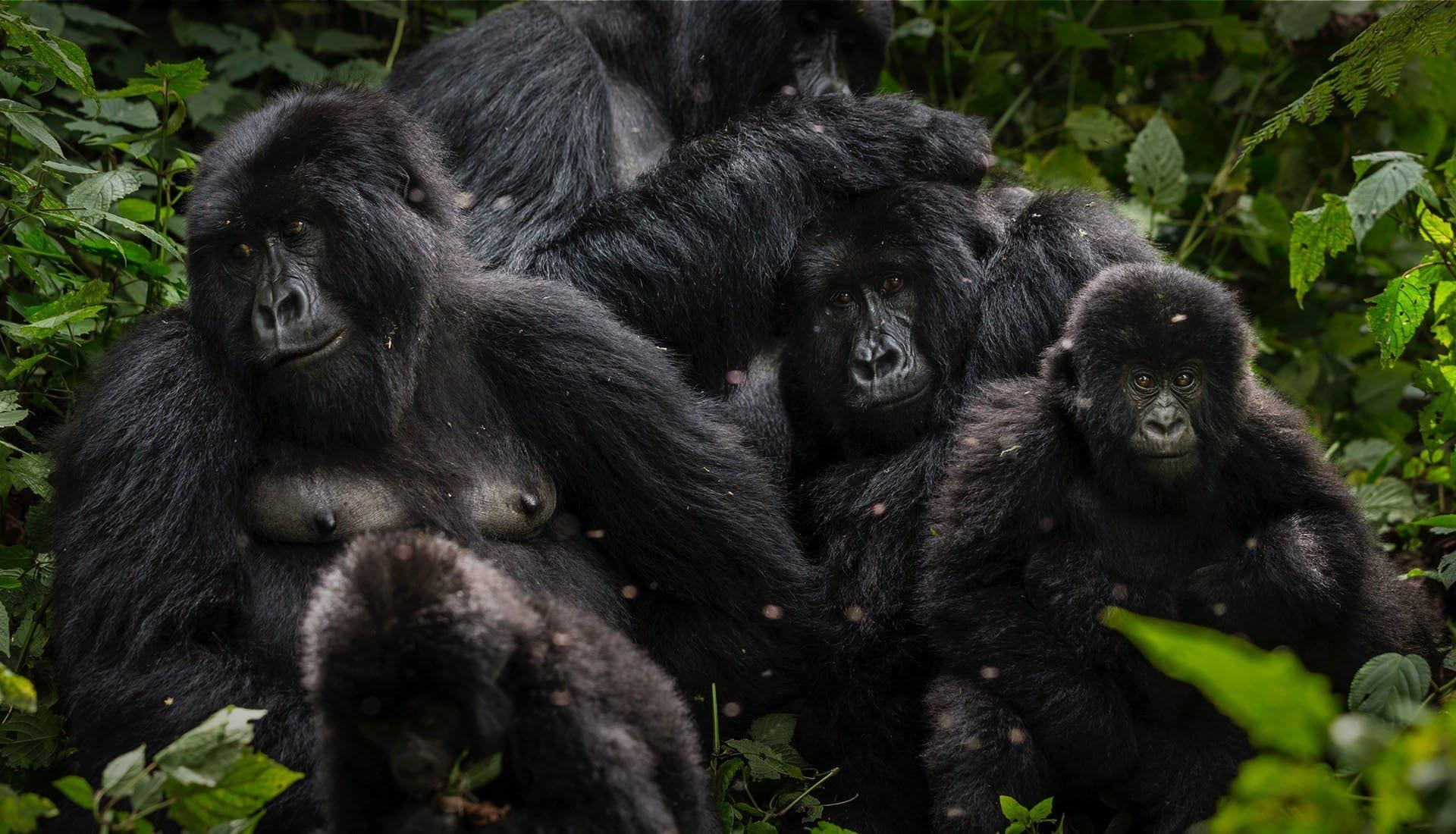
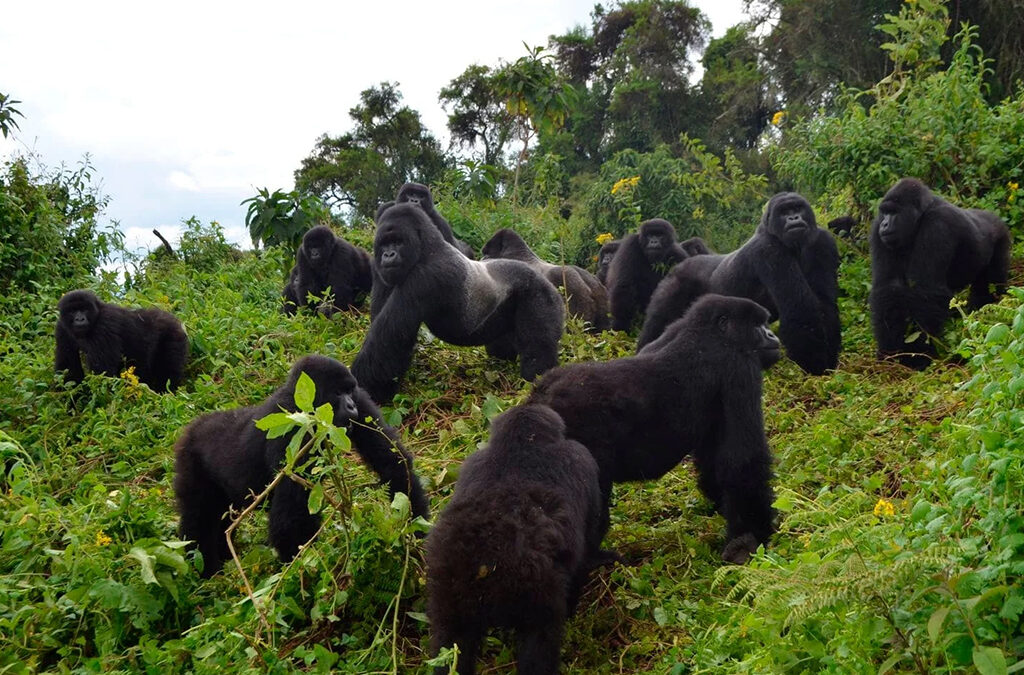
As of 2026, the Umubano Gorilla Family typically consists of approximately 11 to 14 individuals, making it a medium-sized group that allows for close-knit interactions.
The family is led by the dominant silverback Charles, who is recognized for his composed, protective, and relatively calm demeanor.
The group features a notable number of silverbacks — sometimes as many as 5 or 6 — along with blackbacks, adult females, juveniles, and infants. This multi-silverback presence is interesting because it reflects a stable hierarchy where Charles maintains overall control while allowing younger males to remain in the group.
The presence of multiple infants and juveniles indicates a healthy reproductive rate and strong family bonds. Females play crucial roles in nurturing the young and maintaining social cohesion through grooming and caregiving behaviors.
The balanced demographics contribute to the group’s reputation for peaceful interactions. Unlike some groups that experience frequent power struggles, Umubano tends to exhibit cooperative tendencies, aligning beautifully with its name.
Ranging Territory and Habitat
The Umubano Gorilla Family primarily ranges on the eastern flanks of Mount Bisoke and the valley areas connecting Bisoke with Mount Sabyinyo in Volcanoes National Park. This terrain includes dense montane rainforest, bamboo zones, and open clearings at varying altitudes.
The varied habitat provides rich foraging opportunities, with the gorillas feeding on a wide selection of leaves, stems, fruits, and other vegetation.
Because their home range can be somewhat distant from the main Kinigi park headquarters compared to other groups, treks to Umubano are often classified as easy to medium difficulty. Hiking times vary from 1 to 4 hours or more, depending on the family’s daily movements. The scenic volcanic backdrop adds a dramatic and memorable element to every visit.
Trekking Experience with the Umubano Gorilla Family
Trekking with the Umubano Gorilla Family offers visitors an intimate window into mountain gorilla life. Each day, only eight people are permitted to visit the group, ensuring minimal disturbance while maximizing the quality of the encounter.
After the morning briefing at the park headquarters, trekkers hike through farmland and then into the lush forest accompanied by experienced rangers and trackers.
Once the group is located, visitors spend a magical one hour observing the gorillas from a respectful distance of about seven meters. Many people report that Umubano members often appear relaxed and curious.
Silverback Charles commands respect without excessive displays of aggression, while juveniles engage in playful wrestling and climbing. Mothers tenderly care for infants, creating heartwarming scenes that highlight the emotional depth of these great apes.
The group’s habituation level is excellent, allowing for natural behaviors and outstanding photographic opportunities. The combination of multiple silverbacks and young gorillas often results in dynamic yet peaceful viewing sessions that leave a lasting impression.
Leadership and Behavior of Silverback Charles
Charles remains the central figure in the Umubano Gorilla Family. Known for his strength and steady leadership, he successfully defended his position after the split from Amahoro and has guided the group through years of growth. His ability to maintain harmony among several silverbacks demonstrates advanced social intelligence.
Observers note that Charles balances protection of the group with tolerance toward younger males, which helps prevent internal conflict.
This leadership style contributes significantly to the family’s stability and reproductive success. His story exemplifies how individual personality and strength shape gorilla group dynamics in the wild.
Conservation Importance and Challenges
The Umubano Gorilla Family plays a vital role in Rwanda’s broader conservation success. Every gorilla permit purchased to visit this group directly funds anti-poaching patrols, habitat protection, veterinary care, and community development projects around Volcanoes National Park. The revenue supports local families through jobs as rangers, guides, porters, and lodge staff.
Like all mountain gorillas, Umubano faces threats from habitat pressure, disease transmission from humans, and potential human-wildlife conflict. However, Rwanda’s strong conservation framework, combined with responsible tourism, has helped the overall mountain gorilla population continue its slow but encouraging recovery.
Best Time to Visit and Practical Tips
You can trek the Umubano Gorilla Family year-round, though the dry seasons from June to September and December to February generally offer better trail conditions with less mud. Preparing physically for the hike is essential — regular cardio and hill training will enhance your enjoyment.
Essential items include sturdy waterproof hiking boots, rain gear, long trousers, gloves, a hat, binoculars, and a camera without flash.
Hiring a porter is highly recommended not only for assistance with bags but also for cultural insights and safety. Visitors must be at least 15 years old and in good health, with no flu-like symptoms, to protect the gorillas from potential disease transmission.
Why Choose Umubano for Your Gorilla Trek
Many travelers specifically request the Umubano Gorilla Family because of its reputation for peaceful encounters, scenic ranging area, and meaningful story of resilience and harmony.
The group offers an excellent balance of accessibility and adventure, making it suitable for a wide range of fitness levels and ages within the minimum requirement.
Trekking Umubano provides more than just wildlife viewing — it delivers a profound connection to one of our closest relatives and deeper appreciation for the conservation efforts that protect them.
The Umubano Gorilla Family beautifully embodies the spirit of living together in harmony. From its dramatic origins in a leadership challenge to its current status as a stable and thriving group under Charles’s guidance, this family continues to captivate visitors and play an important role in the conservation of mountain gorillas in the Virunga landscape.
A visit to Umubano is frequently remembered as one of the most rewarding experiences in Volcanoes National Park, leaving travelers with unforgettable memories and a greater commitment to protecting these magnificent primates.