Agashya Gorilla Group (Group 13): Complete Guide to Trekking in Volcanoes National Park
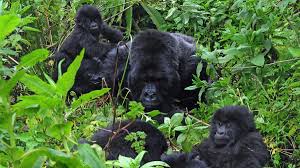
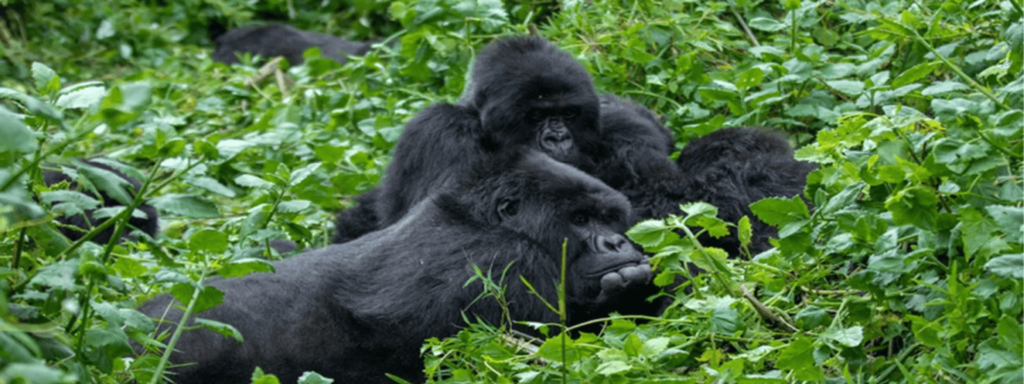
The Agashya gorilla group, also known as Group 13, is one of the 12 habituated mountain gorilla families in Volcanoes National Park, Rwanda.
This remarkable gorilla family originally consisted of 13 mountain gorillas during the habituation period, which is precisely how it earned its name—Group 13.
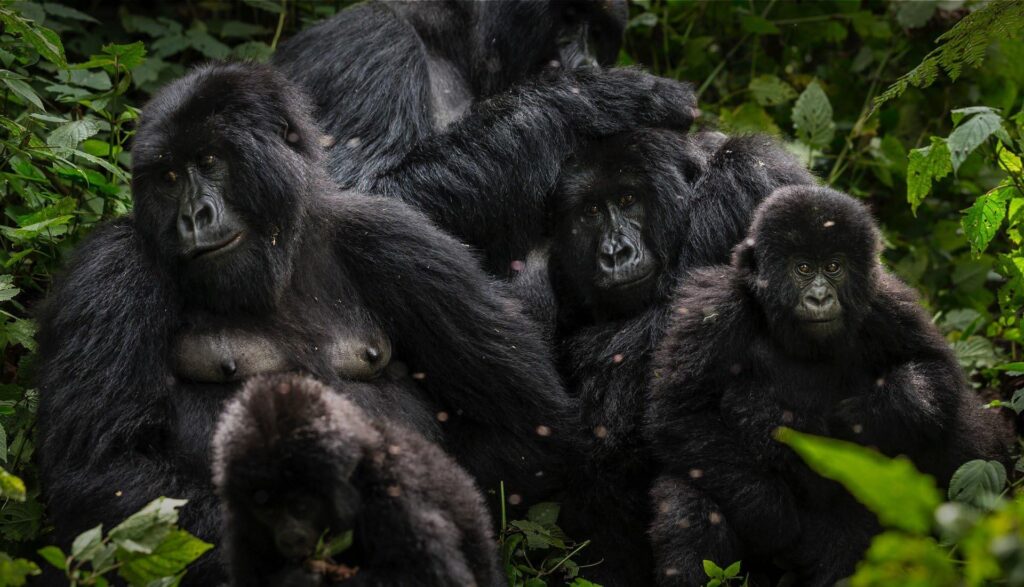
Today, the Agashya group has grown significantly to approximately 26 individuals, making it one of the largest and most dynamic gorilla families in Rwanda.
The current composition of the Agashya group includes one dominant silverback gorilla, 3 blackback gorillas, multiple adult females, juveniles, and infants.
This diverse family structure exemplifies the natural growth patterns of mountain gorillas when protected effectively.
The Agashya group is particularly fascinating because of its leadership history and the notorious behaviors of its former silverback, which made it a subject of intense study among gorilla researchers and conservationists.
For travelers planning gorilla trekking in Rwanda, the Agashya group represents an excellent choice, offering a less challenging trek compared to other families while providing unforgettable encounters with these magnificent creatures.
Whether you’re a first-time gorilla trekker or an experienced wildlife enthusiast, understanding everything about the Agashya group will enhance your Rwanda safari experience and help you make informed decisions about your gorilla trekking adventure.
The History and Leadership of Agashya Gorilla Group
The Agashya gorilla group’s leadership story is one of the most dramatic narratives in mountain gorilla history.
Initially, the group was led by Nyakairima Silverback, a respected and experienced leader who maintained the family’s stability during the early habituation period.
However, an ambitious Agashya Silverback gorilla eventually overthrown Nyakairima, marking a significant shift in the group’s dynamics.
The new Agashya Silverback proved to be a notorious and ambitious leader, known for his controversial behaviors.
Most notably, he was famous for grabbing members from other gorilla groups to increase his own family’s size—a strategy that was both aggressive and unconventional among mountain gorillas.
This behavior demonstrated the silverback’s determination to build a powerful and expansive family, ultimately resulting in the Agashya group’s growth from 13 to 26 individuals.
Following the overthrow, Agashya, the silverback, led the entire group to higher elevation areas to avoid disruptions and conflicts from other competing silverbacks.
This strategic move to elevated terrain helped protect the family and provided them with a safe environment to grow.
The Agashya Silverback’s name itself carries cultural significance—in the local Kinyarwanda language, “Agashya” translates to “News,” reflecting how this silverback’s actions and behaviors became widely known among researchers and local communities.
Today, the Agashya group ranges around the slopes of Sabyinyo Volcano, a prominent peak that forms part of the Virunga Massifs.
Together with the neighboring Sabyinyo gorilla group, Agashya continues to inhabit this biodiverse region, contributing to the rich mountain gorilla population that makes Volcanoes National Park one of the world’s most important gorilla conservation areas.
Understanding Gorilla Group Composition Changes
One crucial aspect to understand about mountain gorillas is that the composition of any gorilla group constantly changes over time.
These changes occur naturally through various biological and social processes, and the Agashya group exemplifies this dynamic nature perfectly.
Several factors contribute to these compositional shifts:
Population Decrease Factors:
-
Death of group members due to illness, injury, or natural causes
-
Migration to other groups, particularly when blackback gorillas leave to join neighboring families
-
Group splits, where blackback gorillas may form new independent groups
Population Increase Factors:
-
New births within the group, adding infants to the family
-
Members joining the group, including females transferring from other families
-
Successful absorption of members from other groups (as Agashya Silverback famously did)
The Agashya group’s growth from 13 to 26 individuals demonstrates how these factors work together. The group’s expansion was primarily driven by Agashya Silverback’s aggressive strategy of incorporating members from other families, combined with successful births within the group.
This natural growth pattern is a testament to the effectiveness of conservation efforts in Volcanoes National Park and the protective measures that allow mountain gorillas to thrive.
Understanding these compositional changes is essential for anyone planning gorilla trekking in Rwanda, as the number of individuals you encounter may vary from previous visits or research reports.
The flexibility and adaptability of mountain gorilla groups like Agashya are what make them such fascinating subjects for research and such incredible experiences for trekkers.
Agashya Gorilla Permits: Availability and Pricing
How Many Gorilla Permits Are Available for the Agashya Group?
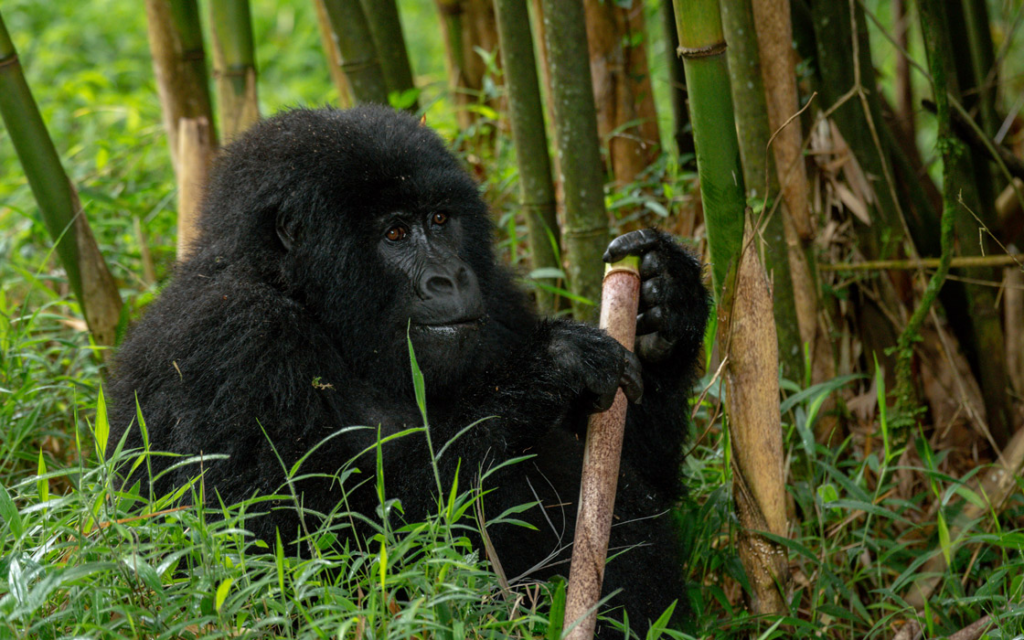
Like all habituated gorilla groups in Volcanoes National Park, the Agashya group accommodates up to only 8 visitors per day.
This strict limit is designed to minimize human impact on the gorillas and ensure their well-being during encounters.
Consequently, this translates to exactly eight (8) gorilla permits available for booking each day for visitors wanting to trek the Agashya group.
The limited availability of gorilla permits means that planning ahead is crucial. During peak seasons, especially the dry months of June through September and December through February, permits for the Agashya group can sell out weeks or even months in advance.
For travelers seeking the best gorilla trekking experience in Rwanda, booking your Agashya gorilla permit early is essential to secure your preferred trekking date.
How Much is a Gorilla Permit?
A single gorilla permit for the Agashya group costs USD 1,500 per person. This price applies to all foreign non-residents visiting Volcanoes National Park for gorilla trekking.
The permit fee contributes directly to:
-
Conservation efforts protecting mountain gorillas
-
Park management and maintenance of Volcanoes National Park
-
Community development programs for local Rwandan communities
-
Research initiatives studying mountain gorilla behavior and population dynamics
-
Anti-poaching measures safeguarding gorillas from threats
All gorilla permits can be booked hassle-free through local tour operators such as Maranatha Tours and Travel or directly through Silverback Gorilla Tour (info@silverbackgorillatour.com).
These operators handle all logistical arrangements, including permit acquisition, transportation, accommodation, and guided trek activities, ensuring a seamless Rwanda gorilla safari experience.
The USD 1,500 gorilla permit price is competitive compared to other gorilla trekking destinations and represents a significant investment in mountain gorilla conservation.
For many travelers, the Agashya gorilla trek is the centerpiece of their African adventure, making the permit cost a worthwhile investment in an unforgettable wildlife encounter.
Best Time to Trek the Agashya Gorilla Group
Peak Dry Season: Optimal Trekking Conditions
Gorilla trekking is generally an all-year-round adventure in Volcanoes National Park, but the experience is best during the dry season.
Visitors planning to explore the Agashya group should consider scheduling their gorilla tours during the peak dry months, which occur twice annually:
First Dry Season Phase:
-
June, July, August to September
Second Dry Season Phase:
-
December, January to February
These peak dry months offer several advantages for Agashya gorilla trekking:
-
Favorable weather conditions with minimal rainfall
-
Drier forest floors, making trekking easier and less muddy
-
Clearer trails for navigation through bamboo and rainforests
-
Better photography conditions with natural lighting
-
Reduced risk of equipment damage from moisture
-
More comfortable hiking experience overall
During dry seasons, the likelihood of encountering the Agashya group at accessible locations increases, as gorillas tend to remain in lower elevations where vegetation is less dense.
This makes the Agashya trek less challenging compared to wet season visits, where gorillas may move to higher, more difficult terrain.
Wet Season: Budget-Friendly Alternative
The Agashya gorilla group can also be visited during wet or off-season months, making this a perfect option for backpackers or visitors on a tight budget.
The off-season months also occur twice annually:
First Wet Season Phase:
-
March, April, May
Second Wet Season Phase:
-
October to November
Advantages of wet season trekking:
-
Lower accommodation costs at lodges around Volcanoes National Park
-
More available permits with less competition
-
Lush, green landscapes offering beautiful photography opportunities
-
Fewer tourists, creating a more intimate trekking experience
-
Potential discounts on tour packages
While wet season trekking presents challenges like muddy trails and heavier rainfall, experienced trekkers and those prepared with appropriate gear can still enjoy remarkable encounters with the Agashya group.
The Rwanda gorilla trekking experience remains rewarding regardless of season, as mountain gorillas are present throughout the year.
Eligibility: Who Can Trek the Agashya Gorilla Group?
Age Requirements for Gorilla Trekking
Persons above 15 years old can visit the Agashya gorilla group in Rwanda. According to official gorilla trekking standards, you must be 15 years and above to be considered eligible for gorilla encounters.
This age restriction is strictly enforced by the Rwanda Development Board (RDB) and park authorities.
This gorilla trekking age rule applies universally—not only to trekkers exploring the Agashya group but also to all other gorilla groups in Rwanda, Uganda, and the Democratic Republic of Congo.
The 15-year minimum ensures that participants have:
-
Physical maturity to handle trekking challenges
-
Mental capacity to understand and follow safety guidelines
-
Emotional readiness for close encounters with wild gorillas
-
Ability to maintain required distances from gorillas
Children under 15 years are not permitted to participate in gorilla trekking activities, though they can enjoy other wildlife experiences in Volcanoes National Park.
Families with younger children should consider alternative activities like golden monkey trekking or exploring the park’s botanical gardens.
Physical Fitness Considerations
Beyond age requirements, trekkers should possess reasonable physical fitness levels. While the Agashya group is considered one of the less challenging gorilla families to trek compared to groups like Susa A & B, fitness preparation is still essential:
Recommended fitness preparation:
-
Engage in regular exercise before traveling to Rwanda
-
Perform cardiovascular workouts (walking, hiking, running)
-
Practice hill training if possible
-
Travel early and practice in the hills of Rwanda if time permits
-
Build leg strength through stair climbing and step exercises
Proper fitness preparation significantly enhances your Agashya gorilla trek experience, making the outing more enjoyable and reducing the risk of exhaustion or injury during the trek.
Essential Packing List for Agashya Gorilla Trekking
What to Carry for Your Agashya Gorilla Group Trek Tour
When packing for Silverback gorilla tour to explore the Agashya gorilla family, it’s crucial to bring only essentials.
Overpacking can make trekking uncomfortable, while underpacking can leave you vulnerable to challenging conditions.
Here’s your comprehensive packing checklist:
Essential Clothing Items
Must-have clothing:
-
Waterproof hiking boots with excellent ankle support
-
Rain jacket (lightweight, breathable, and waterproof)
-
Sweater or warm layer for cool forest temperatures
-
Pair of socks (moisture-wicking, comfortable)
-
Long-sleeved shirts (protect against vegetation and insects)
-
Long trousers (durable, quick-drying material)
-
Safari hat with brim for sun protection
Essential Gear and Equipment
Critical trekking gear:
-
Insect repellents (containing DEET or natural alternatives)
-
Pack of energy-giving snacks (nuts, granola bars, fruit)
-
Enough clean bottled water (at least 2 liters)
-
First aid kit (bandages, antiseptic, pain relievers)
-
Camera free of flashlights (flash can disturb gorillas)
-
Daypack (comfortable, waterproof, 20–30 liters)
-
Toiletries (hand sanitizer, tissue, sunscreen)
Additional Important Items
Supplementary items to consider:
-
Sunscreen (high SPF for tropical conditions)
-
Extra batteries for cameras (cold forest temperatures drain batteries)
-
Medication for malaria (prescribed by a professional doctor)
-
Personal medications (prescription drugs, emergency supplies)
-
Gloves (for gripping vegetation during steep sections)
-
Trekking poles (optional, for stability on uneven terrain)
-
Waterproof bags (for protecting electronics and documents)
All items should be packed in a lightweight, comfortable daypack that you can carry throughout the trek.
Remember that you’ll be hiking through dense bamboo forests and rainforests, so durability and weather resistance are paramount.
Other Gorilla Groups Available in Rwanda
Which Other Gorilla Groups Can I Visit in Rwanda?
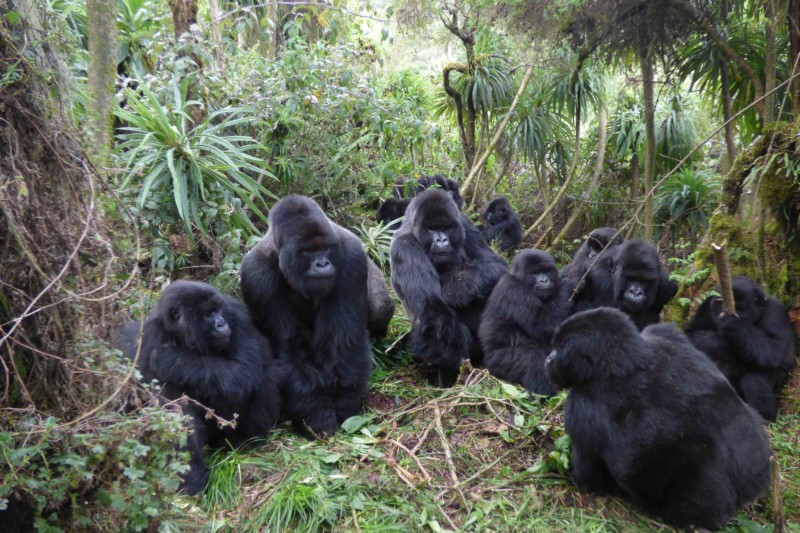
Rwanda offers more than just the Agashya group for visitors interested in gorilla trekking. Volcanoes National Park hosts 12 habituated mountain gorilla families, each with unique characteristics and trekking experiences.
Here are the other gorilla groups available:
Complete list of Rwanda gorilla groups:
-
Sabyinyo group (ranges near Sabyinyo Volcano, like Agashya)
-
Karisimbi (Susa B) group (higher elevation treks)
-
Mishaya group (known for aggressive silverback behavior)
-
Susa A group (one of the largest families)
-
Hirwa gorilla group (younger, more dynamic group)
-
Pablo mountain gorilla group
-
Titus gorilla group (named after legendary researcher)
-
Umubano group
-
Amahoro group (peaceful, stable family)
-
Kanjana group
-
Bok projektu group
-
Mungano group
Each group offers distinct experiences based on location, group size, silverback behavior, and trekking difficulty.
The Agashya group is particularly recommended for first-time trekkers due to its less challenging terrain compared to groups like Susa A & B.
When booking your Rwanda gorilla safari, tour operators typically assign groups based on visitor fitness levels, preferences, and daily gorilla movement patterns.
However, knowledgeable operators like Silverback Gorilla Tour can help you request specific groups if you have particular preferences.
Where to Go for Gorilla Trekking in Rwanda
Volcanoes National Park: Rwanda’s Gorilla Trekking Destination
All mountain gorilla trekking in Rwanda is carried out in Volcanoes National Park, the country’s premier wildlife conservation area.
This iconic park is located just 2–3 hours’ drive from Kigali, Rwanda’s capital city, making it accessible for travelers with limited time.
Volcanoes National Park key facts:
-
Officially established: 1925 (one of Africa’s oldest protected areas)
-
Surface area: 160 sq. km
-
Location: Northwestern Rwanda, bordering Uganda
-
Gorilla habitat: 12 habituated mountain gorilla groups
-
Ecosystem: Bamboo forests and rainforests
The gorilla habitat in Volcanoes National Park is characterized by dense bamboo forests and lush rainforests, providing ideal conditions for mountain gorillas.
These ecosystems support the diverse vegetation that gorillas consume daily, including leaves, stems, fruits, and shoots.
Gorilla Trekking Day Process
The day to trek gorillas in Volcanoes National Park follows a structured process:
-
Morning briefing at park offices in Kinigi (typically 7:00 AM)
-
Group allocation to a habituated mountain gorilla family
-
Ranger guide assignment for each trekking group
-
Trek commencement into the forest
-
Gorilla encounter (up to 1 hour face-to-face)
-
Return trek to park headquarters
-
Certificate presentation upon completion
During the briefing at Kinigi park offices, park authorities explain safety guidelines, distribute permits, and assign groups based on visitor fitness levels and trekking preferences.
Park ranger guides are experienced professionals trained in gorilla behavior, safety protocols, and emergency response.
Is It Hard to Trek the Agashya Gorilla Group?
Trekking Difficulty Comparison
Unlike other groups, especially the challenging Susa A & B groups, the Agashya group is one of the less challenging gorilla families to trek.
This makes it an excellent choice for first-time gorilla trekkers, older visitors, or those with moderate fitness levels.
However, understanding the trek’s requirements is still essential for a complete experience.
Agashya trek difficulty factors:
While the Agashya trek is less challenging than other groups, staying fit remains essential.
The trek still involves hiking through dense vegetation, navigating uneven terrain, and potentially climbing steep slopes. Proper preparation significantly enhances your experience.
Fitness Preparation Tips
To ensure a complete and enjoyable encounter with the Agashya gorilla group:
Pre-trip fitness strategies:
-
Exercise regularly before flying to Rwanda
-
Engage in cardiovascular activities (walking, hiking, running)
-
Perform leg strengthening exercises (squats, lunges, stair climbing)
-
Travel early and practice in Rwanda’s hills if time permits
-
Build endurance through progressively longer hikes
During the trek:
-
Maintain a steady pace rather than rushing
-
Take breaks when needed
-
Follow your ranger guide’s instructions
-
Stay hydrated with bottled water
-
Use trekking poles if available for stability
Proper fitness preparation transforms the Agashya trek from challenging to manageable, allowing you to focus on the incredible experience of encountering wild mountain gorillas rather than struggling with physical demands.
Gorilla Trekking Regulations and Safety Guidelines
Critical Guidelines When in the Presence of the Agashya Gorilla Group
Gorilla trekking regulations are strictly enforced to protect both visitors and mountain gorillas. Following these guidelines ensures safe, ethical, and memorable encounters with the Agashya group:
Essential gorilla trekking rules:
-
Maintain a distance of 8–10 meters away from Agashya gorillas
-
This minimum distance prevents disease transmission
-
Reduces stress on the gorillas
-
Ensures safety for both visitors and gorillas
-
-
Do not use a flashlight camera to take pictures
-
Flash can disturb and stress gorillas
-
Use natural light or camera settings without flash
-
bawa-tripods are recommended for stable shots
-
-
Do not touch gorillas in their natural habitat
-
Physical contact spreads diseases
-
Maintains gorilla independence
-
Protects both visitors and animals
-
-
Avoid making loud noise when on a gorilla trek
-
Quiet behavior prevents disturbing gorillas
-
Maintain calm conversations with group members
-
Follow ranger guide’s silence instructions
-
-
You are allowed a short hour to enjoy face-to-face encounter
-
Maximum 1 hour with the Agashya group
-
Time is strictly enforced by park authorities
-
Quality over quantity for the experience
-
-
Do not go to trek the Agashya group when sick
-
Illness can transmit deadly diseases to gorillas
-
Mountain gorillas have no immunity to human diseases
-
Report any illness to tour operators before trekking
-
Additional safety protocols:
-
Follow all ranger guide instructions without exception
-
Stay with your group throughout the trek
-
Do not eat or drink near the gorillas
-
Bury or carry away all waste (no littering)
-
Move slowly and calmly when gorillas are nearby
These regulations are not arbitrary rules but conservation measures developed through decades of gorilla research. Violating them can result in trek cancellation, fines, or permanent bans from Volcanoes National Park.
Where to Stay in and Around Volcanoes National Park, Rwanda
Accommodation Options Near Volcanoes National Park
Choosing the right accommodation is crucial for your Rwanda gorilla safari experience.
Volcanoes National Park offers a diverse range of lodging options across three main categories: budget, mid-range, and luxury.
Each category provides unique benefits depending on your budget, preferences, and safari style.
Luxury Lodges (Premium Experience)
Top luxury accommodations:
-
Sabyinyo Silverback Lodge
-
Located directly at park entrance
-
Stunning mountain views
-
Premium amenities and services
-
Eco-friendly luxury design
-
-
Bisate Lodge-Award-winning luxury eco-lodge
-
Exceptional dining experiences
-
Private villas with panoramic views
-
High-end spa and wellness facilities
-
-
One & Only Gorilla’s Nest
-
Ultra-luxury boutique resort
-
Exclusive gorilla-themed design
-
World-class service and amenities
-
Private gardens and mountain vistas
-
-
Five Volcanoes Boutique Hotel
-
Elegant boutique accommodations
-
Professional service
-
Beautiful gardens and views
-
Central location near Kinigi
-
Mid-Range Lodges (Comfortable Value)
Recommended mid-range options:
-
Mountain Gorilla View Lodge
-
Comfortable accommodations
-
Affordable pricing
-
Good facilities and service
-
Scenic mountain views
-
-
Silverback Lodge
-
Reliable mid-range option
-
Comfortable rooms
-
Good restaurant facilities
-
convenient location
-
-
Kinigi Guesthouse
-
Budget-friendly mid-range
-
Simple but clean accommodations
-
Basic amenities
-
Close to park headquarters
-
Budget Accommodations (Cost-Effective)
Budget-friendly choices:
-
Local guesthouses in Kinigi village
-
Community-run lodges
-
Basic camping options
-
Shared accommodation facilities
Accommodation booking tips:
-
Book early during peak seasons (June–September, December–February)
-
Choose lodges close to Kinigi for convenient park access
-
Consider package deals through tour operators like Silverback Gorilla Tour
-
Verify wifi availability if needed for communication
-
Check meal inclusion options for convenience
All recommended lodges provide comfortable accommodations with essential amenities, including clean rooms, hot water, meals, and sometimes guided activities.
Luxury lodges offer additional services like spas, private guides, and exclusive experiences, while budget options provide basic comfort at lower costs.
Conclusion: Your Agashya Gorilla Trek Adventure
The Agashya gorilla group (Group 13) represents one of Volcanoes National Park’s most fascinating and accessible mountain gorilla families.
With its dramatic leadership history, impressive growth from 13 to 26 individuals, and less challenging trekking terrain, the Agashya group offers an ideal gorilla trekking experience for first-time visitors and experienced wildlife enthusiasts alike.
Your Agashya gorilla trek includes 8 available permits per day at USD 1,500 per person, providing unforgettable face-to-face encounters with these magnificent creatures while supporting critical conservation efforts.
Whether you visit during the peak dry seasons (June–September, December–February) or the budget-friendly wet seasons (March–May, October–November), the Agashya experience remains rewarding and meaningful.
Book your Agashya gorilla trek through experienced operators like Silverback Gorilla Tour or Maranatha Tours and Travel (info@silverbackgorillatour.com) for hassle-free permit acquisition, transportation, accommodation, and guided activities.
Choose from diverse lodges around Volcanoes National Park, from luxury options like Sabyinyo Silverback Lodge and Bisate Lodge to comfortable mid-range and budget accommodations.