

How Gorilla Trekking Is Conducted in Uganda — A Complete 2026 Guide with Silverback Gorilla Tour
How Gorilla Trekking is Conducted in Uganda: Meeting a silverback face-to-face is a moment many travellers call life-changing; gorilla trekking in Uganda combines strict conservation rules, local expertise, and careful logistics to make that encounter safe and unforgettable.
This guide explains permits, the daily process, packing and safety, pricing, and exactly how Silverback Gorilla Tour handles bookings and logistics to make your trek smooth and ethical.
Quick facts snapshot
-
Best months: dry seasons (June–September, December–February).
-
Permit cost: check current Uganda permit rates before booking.
-
Typical duration: trek time 1–8 hours depending on gorilla location; one hour viewing with the family.
-
Top parks: Bwindi Impenetrable National Park, Mgahinga Gorilla National Park.
-
Group size: max 8 visitors per gorilla group.
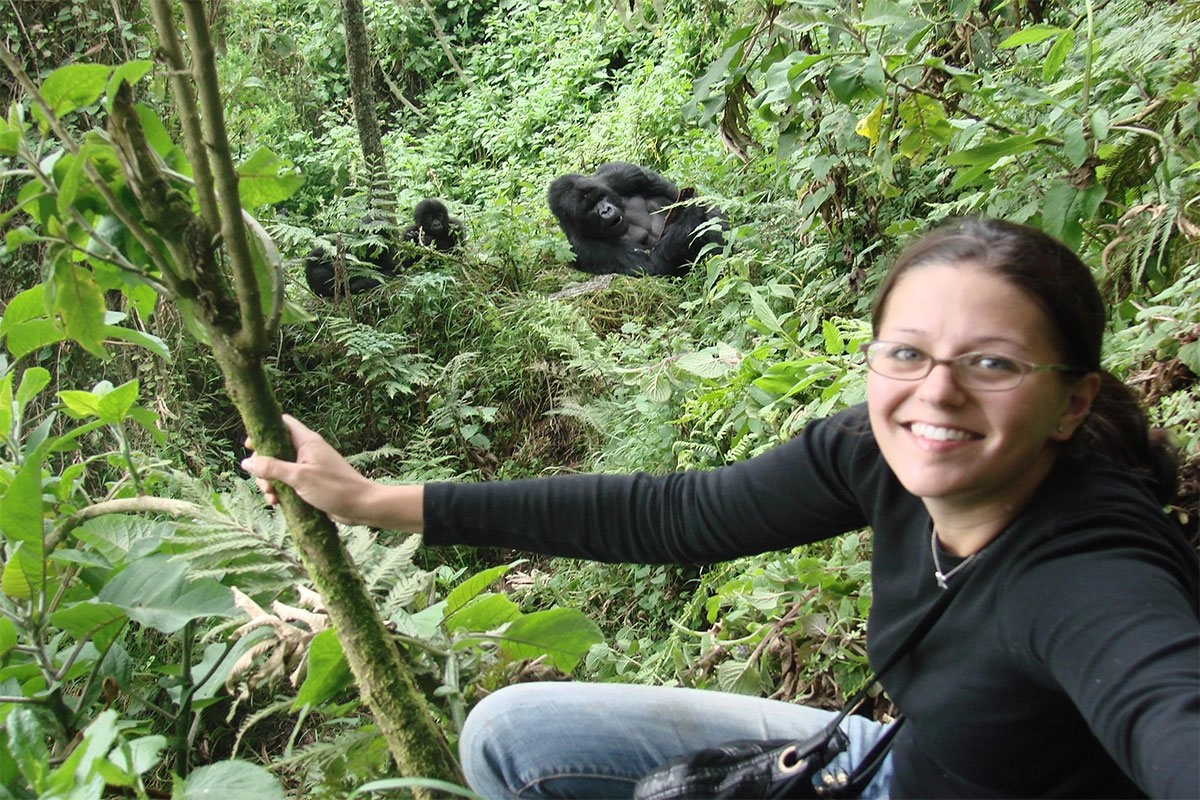
How gorilla trekking is organized in Uganda
Uganda’s gorilla trekking is tightly managed to protect mountain gorillas and ensure visitor safety; the Uganda Wildlife Authority (UWA) issues permits, limits group sizes, and coordinates park logistics to reduce stress on the animals.
Before any trek visitors report to a park headquarters for a mandatory morning briefing where rangers explain rules, health precautions, and the assigned gorilla family; trackers and armed rangers then lead groups into the forest to locate the habituated family.
Groups are deliberately small—usually up to eight people—and only one hour is permitted with the gorillas once contact is made, a rule enforced to protect gorilla health and natural behaviour.
There are two main trek types to understand: standard habituated treks (the common tourist experience with up to one hour’s viewing) and special habituation experiences (longer observation, limited availability, subject to strict rules and higher cost).
Major trailheads vary by sector in Bwindi (Buhoma, Ruhija, Rushaga, Nkuringo) and Mgahinga, and rangers and trackers determine trek difficulty and likely duration based on recent gorilla movement.
What happens on trek day — step by step
-
Morning check-in and briefing: Arrive early at park HQ for check-in, permit verification, ranger briefing, and a short health check; the ranger will assign you to a gorilla family and explain distance, photography, and behaviour rules.
-
Transfer to trailhead: A short drive transports groups to the trailhead nearest the assigned family—travel time depends on sector (for example, Buhoma or Rushaga in Bwindi). Guides confirm final logistics and hire porters if needed for steep or muddy sections.
-
The trek begins: Trackers and rangers lead the way through varying terrain—steep slopes, dense forest, bamboo and swampy patches—so expect uneven ground and changing conditions; the pace varies as trackers follow fresh signs of the family. Porters carry luggage for a fee and can assist less able trekkers; wear sturdy boots and gaiters.
-
Finding the gorillas: Trackers use radio updates and signs (fresh droppings, footprints) to triangulate the family’s location; once rangers locate them, you’ll be given clear approach instructions—slow, quiet, single-file movement is standard.
-
The encounter (one-hour viewing): Rangers control the approach and set the distance to keep you safe and minimize disturbance; rules include no flash photography, no eating near gorillas, limited movement, and speaking only in whispers if necessary.
-
Expect the gorillas to feed, groom, and play, and for a silverback to watch or guard the group—behaviour varies and can be unpredictable, so follow ranger instructions.
-
Post-trek: After the one-hour viewing, rangers direct your exit path; you typically return to the trailhead, receive a trekking certificate, and rejoin lodge transfers.
-
Many visitors combine a trek day with a cultural visit or lodge rest—Silverback Gorilla Tour can arrange post-trek transfers and optional activities.
Book your trek with Silverback Gorilla Tour — we handle permits, logistics, and experienced guides.
Practical tips — packing, fitness, health, and conduct
1. Packing essentials (bring these every trek):
long-sleeve base layers to protect against nettles, a waterproof jacket, sturdy hiking boots, gaiters, gloves, insect repellent, at least 1–2 litres of water, snacks if allowed, a camera with no flash, and a small daypack.
2. Fitness and accessibility:
Trek difficulty ranges from short walks to strenuous hikes; average trekkers should be reasonably fit, but porters are available for hire to help guests who need assistance.
Children and people with recent respiratory illness may be restricted—park rules and ranger discretion determine suitability.
3. Health and safety precautions:
Maintain distance from gorillas as instructed, follow any mask guidance or health screening required at the time, and never approach if you are unwell—disease transfer is a major conservation concern.
Silverback Gorilla Tour works with trained rangers, uses radios and emergency plans, and requires clients to respect health checks and ranger directions.
4. Behaviour rules in the forest:
Do not make sudden movements, avoid trying to touch gorillas, keep voices low, do not use flash photography, and respect the strict one-hour viewing time limit to minimize disturbance.
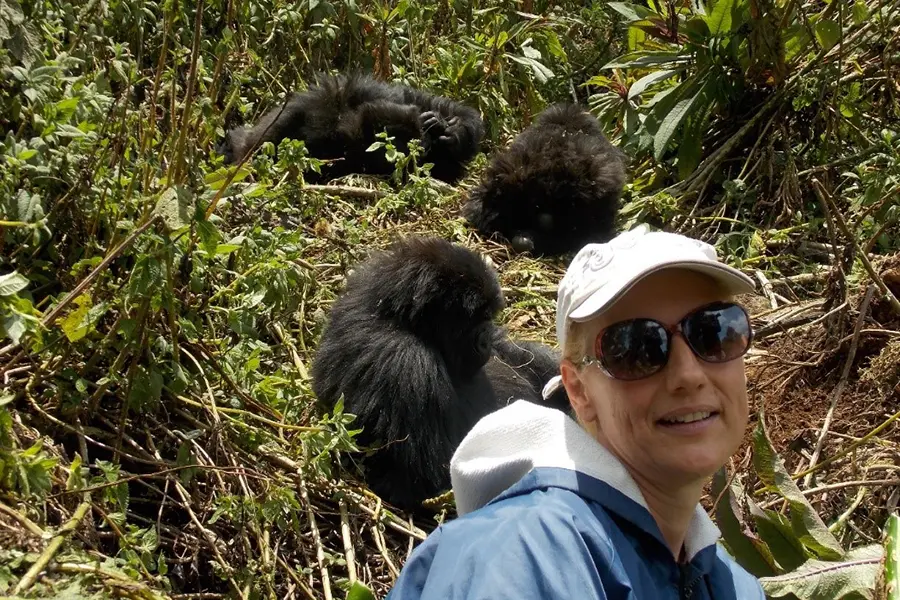
Why choose Silverback Gorilla Tour
Silverback Gorilla Tour provides local expertise and end-to-end logistics so travellers focus on the experience rather than paperwork.
Benefits include local English-speaking guides and experienced trackers; full permit handling so you don’t worry about official reservations; arranged pre-trek hotel transfers and lodge partnerships that reduce travel time; and clear package inclusions so pricing is transparent.
We also emphasise responsible tourism—partnering with community projects and contributing a portion of proceeds to conservation when possible—creating positive impact for local communities and gorilla protection.
Sample inclusions: gorilla permit processing, park ranger/guide fees, driver transfers on trek day, lunch or lodge transfers post-trek; optional extras commonly listed are porter fees, tipping, travel insurance, and private guide upgrades.
Booking process, pricing, and best time to go
1. How to reserve:
Book well in advance—high season and holiday months fill quickly—by contacting Silverback via WhatsApp, phone, or the booking form. Confirm names and passport details for permit issuance.
Permits should be secured months ahead, especially for peak months; cancellation policies vary, so review terms at booking.
2. Pricing bands (update regularly):
Typical packages fall into economy, mid-range, and luxury bands depending on accommodation and transport; the permit is a significant component of cost—always verify the current permit rate before publishing prices.
Silverback offers sample packages that clearly list what’s included and optional extras.
3. Best time to go:
Dry season months reduce trail muddiness and often make trekking easier, but gorillas can be tracked year-round, and green season treks can be quieter and just as rewarding.
Frequently Asked Questions
How long does a trek take?
Trek duration varies—1–8 hours—depending on gorilla movement and trail difficulty.
Do I need to be fit?
Moderate fitness is recommended; porters can be hired if needed.
Are children allowed?
Rules vary; many parks set a minimum age—confirm at booking.
What if the gorillas aren’t found?
Trackers search based on latest data; rare cases may result in refunds or alternative offers as per park policy.
Are selfies allowed?
No—no flash and no close contact; follow ranger instructions for safe photography.
What should I tip guides/porters?
Tipping is customary; recommended amounts vary—show appreciation based on service.
Final
Permits are limited, and popular months fill fast—reserve your date now with Silverback Gorilla Tour to secure guides, permits, and the best logistics for an unforgettable, ethical gorilla encounter; contact us via our booking form, WhatsApp, or phone to check availability today.