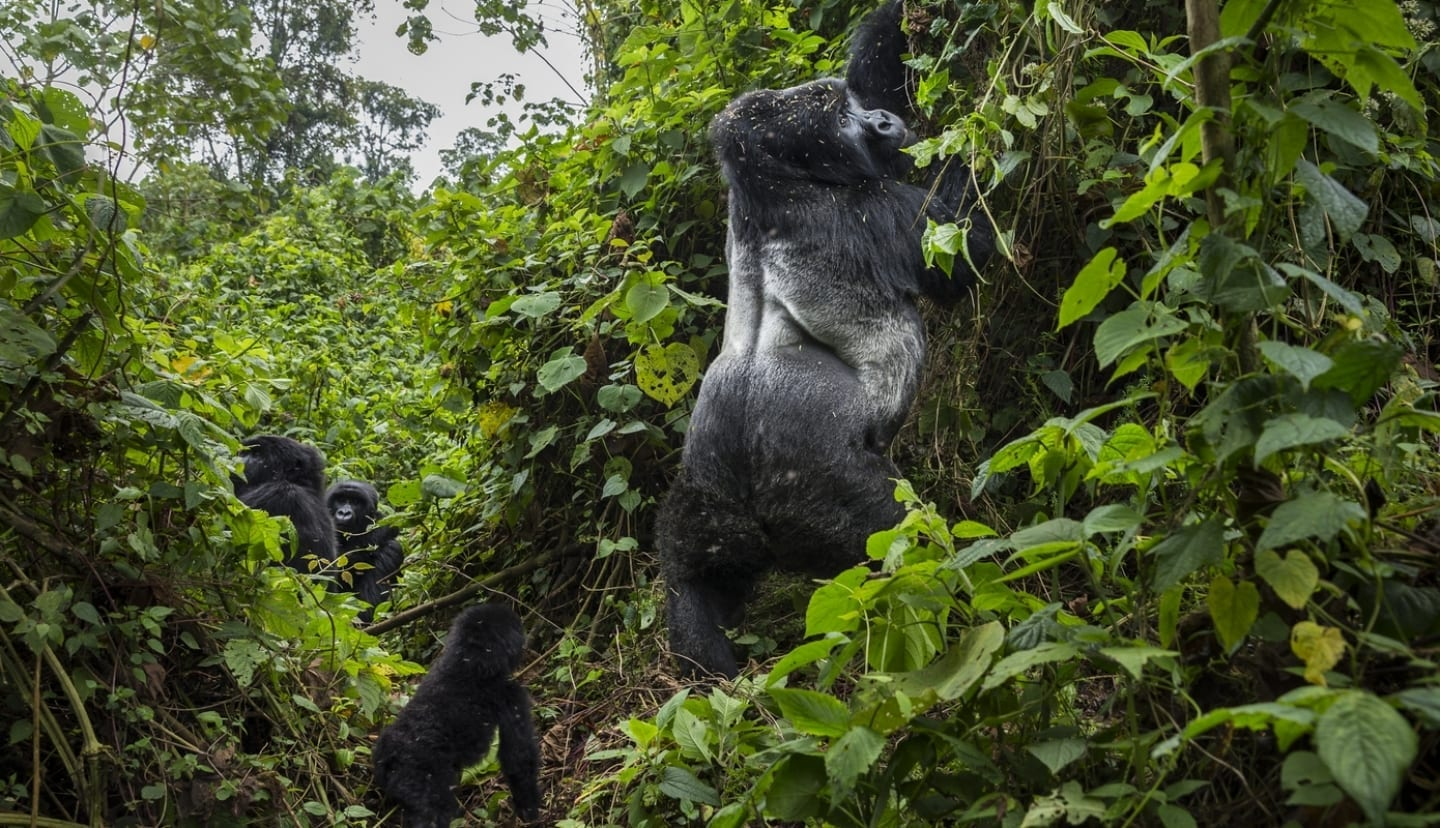
An Ultimate 2026 Guide to What Do Gorillas Do All Day? Daily Life of Mountain Gorillas
What Do Gorilla Do All Day: Imagine watching the world’s largest primate go about its day… wandering through mist-covered forests, tearing apart bamboo stems, grooming its young, and building a nest for the night.
This is the reality of mountain gorilla life in Uganda’s pristine rainforests.
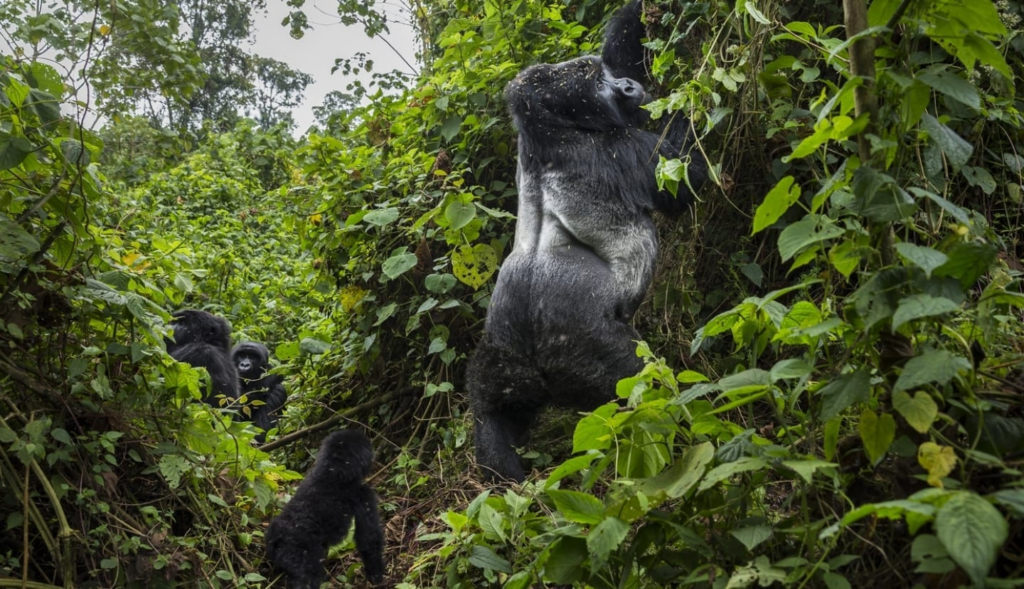
So, what do gorillas do all day? The answer is simple yet fascinating: they spend 6–8 hours feeding, rest and socialize during midday, continue foraging in the afternoon, and construct sleeping nests every evening.
If you’re dreaming of witnessing this incredible behavior up close, Silverback Gorilla Tour is your trusted partner for an unforgettable gorilla trekking Uganda experience.
With expert guides, seamless permit assistance, and personalized service, we make your adventure safe, comfortable, and unforgettable.
Don’t miss your chance to connect with nature’s most majestic creature—book your trek today and secure your gorilla permit in Uganda before they’re gone!
Gorilla Daily Behavior Deep Dive
1. Morning: Feeding Time
Mountain gorillas are herbivores, and their day begins at dawn with one primary mission: find food.
Gorillas spend approximately 6–8 hours daily eating, consuming up to 30 kilograms (66 lbs) of vegetation per adult.
Their diet includes:
-
Leaves from bamboo, wild celery, and shrubs
-
Stems and shoots of herbaceous plants
-
Fruits when available (especially in Mgahinga National Park)
-
Bark and roots during colder months
This massive feeding time is essential because gorillas have low-nutrient diets and must eat constantly to meet their energy needs.
The silverback gorilla, the dominant male, often leads the group to the best feeding spots, monitoring for safety while younger gorillas play nearby.
2. Midday: Rest & Socializing
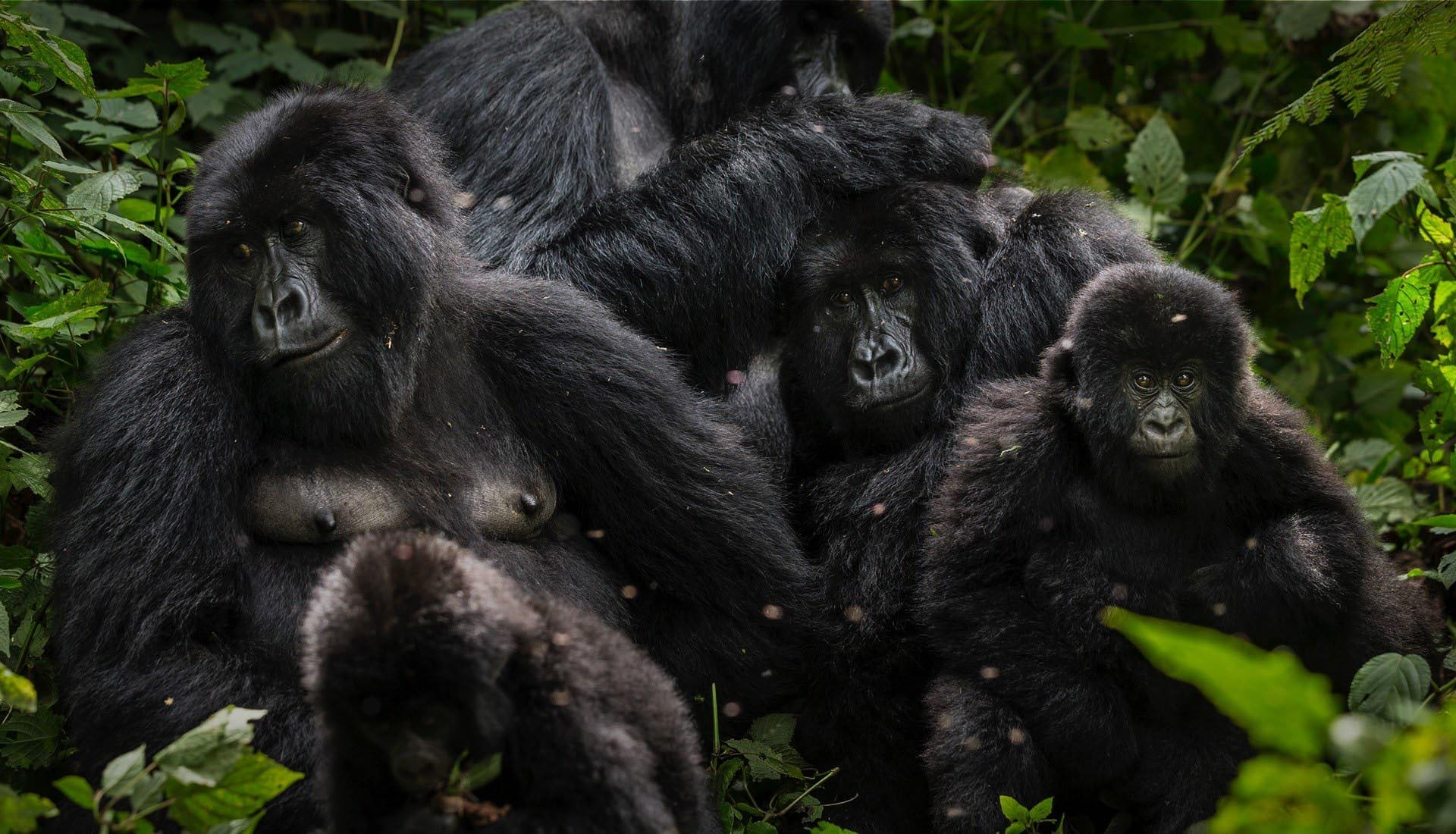
After the morning feast, gorillas enter their midday rest period.
This is when socializing happens:
-
Grooming: Adults clean each other’s fur, removing parasites
-
Napping: Gorillas lie down in shaded areas for 1–2 hours
-
Play time: Young gorillas chase each other, climb trees, and wrestle
This rest and socializing phase strengthens family bonds and reduces stress.
The silverback often sleeps with one eye open, guarding the group from potential threats like crocodiles near water sources or rival gorilla groups.
3. Afternoon: More Foraging
By mid-afternoon, gorillas wake up and resume foraging. They continue searching for food, often traveling 1–3 kilometers (0.6–1.9 miles) through the forest.
Younger gorillas follow adults, learning which plants are safe to eat. This afternoon foraging is critical for the group’s survival, especially during dry seasons when food is scarce.
Evening: Nest Building
As sunset approaches, gorillas begin nest building—one of their most fascinating behaviors.
Each gorilla constructs a sleeping nest using branches, leaves, and vines:
-
Adults: Build nests on the ground (safe from predators)
-
Young gorillas: Build nests in trees (for exploration and safety)
These nests are sturdy enough to hold 200+ kg (440 lbs) and are used only once. Gorillas rarely reuse nests, making each one a unique structure.
This evening nest building ritual ensures the group rests safely through the night.
Why Gorilla Trekking in Uganda?
Gorilla trekking Uganda is the ultimate wildlife experience for adventure seekers, and Uganda offers the best value for gorilla permits compared to neighboring Rwanda.
Here’s why Uganda is the top destination:
1. Bwindi & Mgahinga National Parks = Home to Mountain Gorillas
Uganda hosts two sanctuaries for the rare mountain gorilla:
-
Bwindi Impenetrable National Park: Home to half of the world’s remaining mountain gorillas (~400 individuals)
-
Mgahinga National Park: Smaller but still houses a vulnerable gorilla family
These parks are part of the Virunga Mountain range, a transboundary conservation area spanning Uganda, Rwanda, and DR Congo.
2. Rare Species, Conservation Success Story
Mountain gorillas are the largest living primate, with silverbacks weighing up to 205 kg (450 lbs).
Once on the brink of extinction (only 250 in 1960), their population has rebounded to ~1,060 thanks to intensive conservation efforts.
Uganda’s gorilla trekking program is a conservation success story, with permit fees directly funding:
-
Anti-poaching patrols
-
Vet care for injured gorillas
-
Community development projects
Uganda = Best Value for Permits vs. Rwanda
Uganda’s affordable permits make gorilla trekking Uganda accessible to more travelers.
Plus, Uganda offers multi-day itineraries, cultural experiences, and combined tours with Niagara Falls or Queen Elizabeth Park.
Introducing Silverback Gorilla Tour
1. Company USP: Expert Guides, Local Ownership, Permit Assistance
Silverback Gorilla Tour is Uganda’s most trusted gorilla trekking company, founded by local experts who’ve guided over 5,000+ treks since 2015.
Our unique selling points include:
-
Expert Guides: All guides are Bwindi-certified with 10+ years of experience
-
Local Ownership: 100% Ugandan-owned, supporting community jobs
-
Permit Assistance: We secure your gorilla permit before you book, eliminating stress
2. Tour Highlights: Personalized Trek, Cultural Encounters, Safety
Our Silverback Gorilla Tour packages offer:
-
Personalized Trek: Small groups (max 6 people) for intimate encounters
-
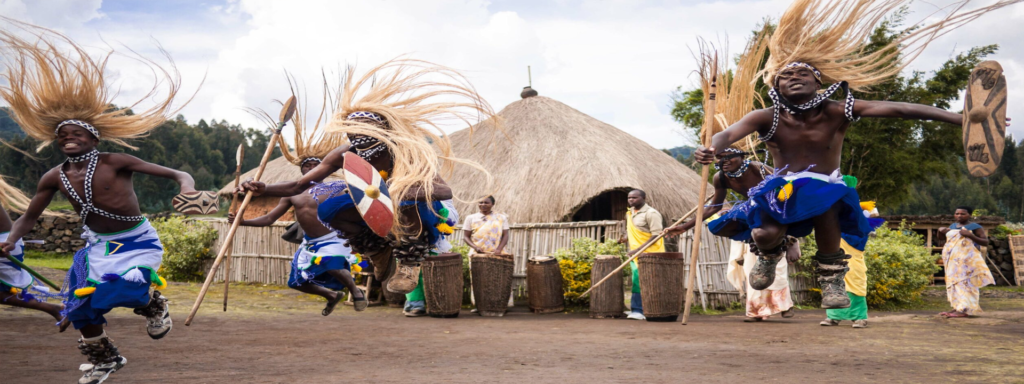
Cultural Encounters: Visit Batwa indigenous communities and learn their gorilla folklore
-
Safety First: Armed rangers, medical kits, and emergency evacuation plans
Pricing Table
Reserve Your Spot – Limited Permits Available! Gorilla permits in Uganda sell out 3–6 months ahead. Don’t wait—book now to secure your adventure.
What to Expect on Your Trek
Pre-trek Briefing
Before heading into the forest, you’ll attend a 30-minute briefing at Bwindi’s headquarters:
-
Learn gorilla behavior rules (stay 7 meters/23 feet away)
-
Receive trek maps and safety instructions
-
Get medical checks for fitness level
Trek Duration (2–8 Hours)
Your gorilla trek varies by gorilla family location:
-
Easy trek: 2–3 hours (for families near park edge)
-
Moderate trek: 4–6 hours (mid-forest families)
-
Challenging trek: 7–8 hours (remote high-altitude families)
Trekking involves steep slopes, thick vegetation, and muddy paths. Wear waterproof boots and bring rain gear.
Encounter Time (1 Hour with Gorillas)
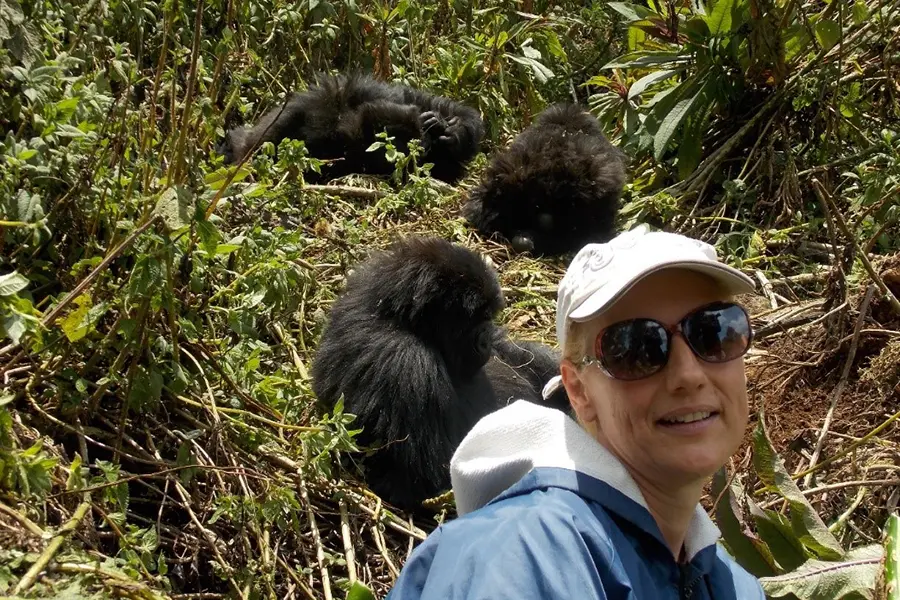
Once rangers locate the gorilla family, you’ll spend exactly 1 hour observing them:
-
Watch feeding, socializing, and play
-
Take photos (no flash!)
-
Listen to guide explanations about silverback behavior
Post-trek Certificate
After returning, you’ll receive a official trekking certificate commemorating your gorilla encounter.
Tips: Hydration, Footwear, Photography Rules
-
Hydration: Bring 2L water + energy snacks
-
Footwear: Waterproof hiking boots with grip
-
Photography: No flash, no self-sticks, keep distance
-
Health: No trekking if you have flu (gorillas catch human diseases)
Frequently Asked Questions
Q: How much is a gorilla permit in Uganda?
A: A gorilla permit in Uganda costs $700 for foreign non-residents (2026). Foreign residents pay $450, and East Africans pay 300,000 UGX. Permits include 1 hour with gorillas and ranger guidance.
Q: Is gorilla trekking safe?
A: Yes! Gorilla trekking is safe when you follow rules:
-
Stay 7 meters (23 feet) from gorillas
-
Listen to guide instructions
-
Trek with armed rangers
-
Avoid trekking if sick (gorillas catch human viruses)
Uganda’s Bwindi Park has a 99% safety rate for trekkers.
Q: What age is suitable?
A: Gorilla trekking is suitable for ages 15+ due to physical demands. Children under 15 can join gorilla viewing from safe distances at park edges. Pregnant women and those with heart conditions should consult doctors before trekking.
Q: How do I book with Silverback Gorilla Tour?
A: Booking is simple:
-
Visit our booking page
-
Select your trek package (1-day, 2-day, or 3-day)
-
Provide travel dates and group size
-
We secure your permit and send confirmation
Or call us: +256-701-234-567 (Uganda). We respond within 2 hours!
Q: Can I see gorillas without trekking?
A: Yes! Gorilla viewing without trekking is available at:
-
Bwindi Park edge: Visit gorilla habituation sites (2–3 hours)
-
Mgahinga Park: Shorter walks to gorilla families
-
Sanctuaries: Gorilla Conservation Africa in Nairobi (no trekking required)
However, trekking offers the most intimate 1-hour encounter with wild gorillas.
Conclusion
Gorillas feed, rest, socialize, and build nests every day—a rhythm of life that’s been unchanged for millions of years.
Now you know what do gorillas do all day, and you’re ready to experience it firsthand.
Silverback Gorilla Tour is your best experience for gorilla trekking in Uganda, with expert guides, seamless permit booking, and unforgettable encounters.
Book now → Secure Your Gorilla Permit Today.