
How Many Species of Gorillas Exist? Types & Habitats 2026 Guide
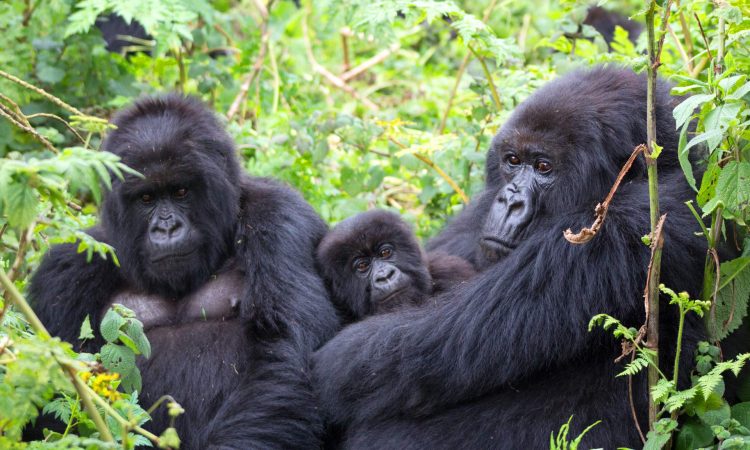
How Many Species of Gorillas Exist: Did you know there are only two species of gorillas left in the wild? Despite their iconic status in popular culture and conservation campaigns, gorillas are far rarer than most people realize.
And understanding how many species of gorillas exist is the first step toward appreciating why every trekking permit, every conservation dollar, and every responsible tourist visit matters.
Gorillas belong to the genus Gorilla and are divided into two distinct species: the Eastern gorilla (Gorilla beringei) and the Western gorilla (Gorilla gorilla).
Each species is further subdivided into two subspecies, making four gorilla subspecies in total.
However, for safari travelers planning a gorilla trekking adventure, only one subspecies—the Mountain gorilla—is reliably accessible for tourism in Uganda and Rwanda.
If you’re dreaming of standing face-to-face with these gentle giants in their natural habitat, Silverback Gorilla Tour is your trusted partner for unforgettable gorilla trekking in Uganda and Rwanda.
With expert guides, small-group experiences, and a deep commitment to conservation, we make your safari not just a vacation but a meaningful contribution to gorilla conservation.
How Many Species of Gorillas Exist: The Two Gorilla Species Explained
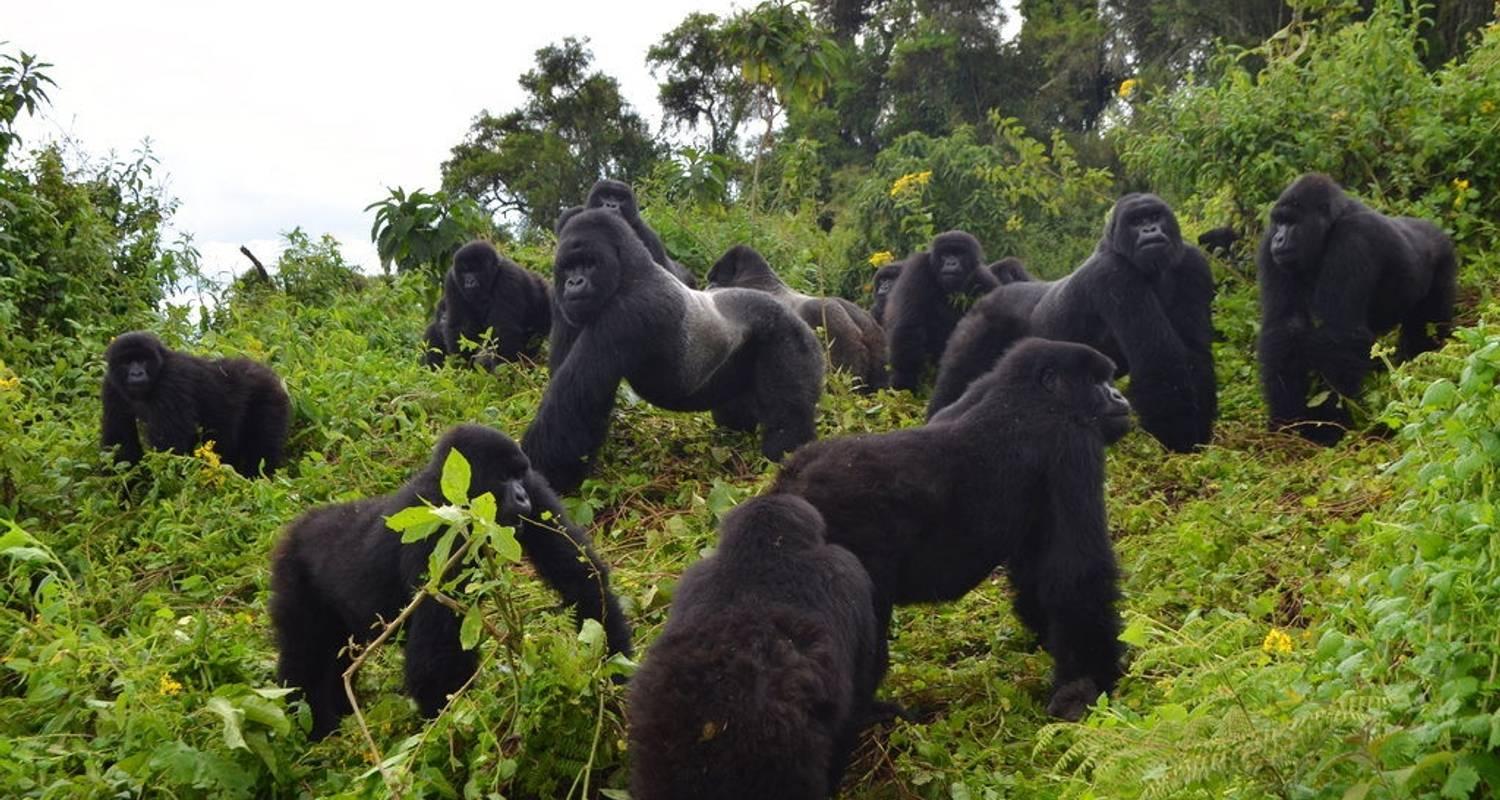
When people ask how many species of gorillas exist, the answer is clear: there are two gorilla species, each with distinct habitats, physical traits, and conservation challenges.
Understanding the Eastern gorilla vs Western gorilla distinction is essential for both conservation awareness and planning your gorilla safari. How Many Species of Gorillas Exist
Eastern Gorilla (Gorilla beringei)
-
Habitat: Found in the high-altitude forests and lowland rainforests of East-Central Africa, specifically in the Virunga Mountains and Bwindi region (Uganda, Rwanda, DRC) and the lowland forests of eastern Democratic Republic of Congo (DRC).
-
Physical traits: Eastern gorillas are the largest living primates. Males (silverbacks) can weigh up to 160–200 kg (350–440 lbs) and stand over 1.7 m (5.5 ft) tall when upright. They have longer, shaggier hair compared to Western gorillas, an adaptation to cooler mountain climates.
-
Population: Critically endangered, with only about 5,000–7,000 individuals remaining in the wild. The Mountain gorilla subspecies numbers just over 1,000, while Grauer’s (Eastern lowland) gorillas number, between 3,800–6,800.
Western Gorilla (Gorilla gorilla)
-
Habitat: Inhabits the lowland rainforests and swamp forests of West and Central Africa, from Nigeria and Cameroon through Gabon, Congo, and the Central African Republic.
-
Physical traits: Slightly smaller than Eastern gorillas, with shorter, denser fur and a more rounded face. Western gorillas are more frugivorous (fruit-eating) and tend to travel greater distances in search of food.
-
Population: Estimated at around 316,000 individuals, but this number is declining rapidly due to habitat loss, poaching, and disease (including Ebola outbreaks). The Cross River gorilla subspecies is the rarest, with only 250–300 individuals left.
Why the Distinction Matters
The gorilla species difference is not just academic—it has real implications for conservation and tourism.
Eastern gorillas, especially Mountain gorillas, benefit from well-managed gorilla trekking programs in Uganda and Rwanda, where tourism revenue directly funds anti-poaching patrols, habitat protection, and community development.
Western gorillas, by contrast, live in regions with limited ecotourism infrastructure and greater political instability, making conservation efforts more challenging.
The Four Subspecies Breakdown
While there are two species of gorillas, each is divided into two subspecies, making four gorilla subspecies in total.
Here’s a detailed profile of each, including why Mountain gorilla trekking in Uganda and Rwanda offers the most accessible and impactful safari experience.
1. Mountain Gorilla (Gorilla beringei beringei)
-
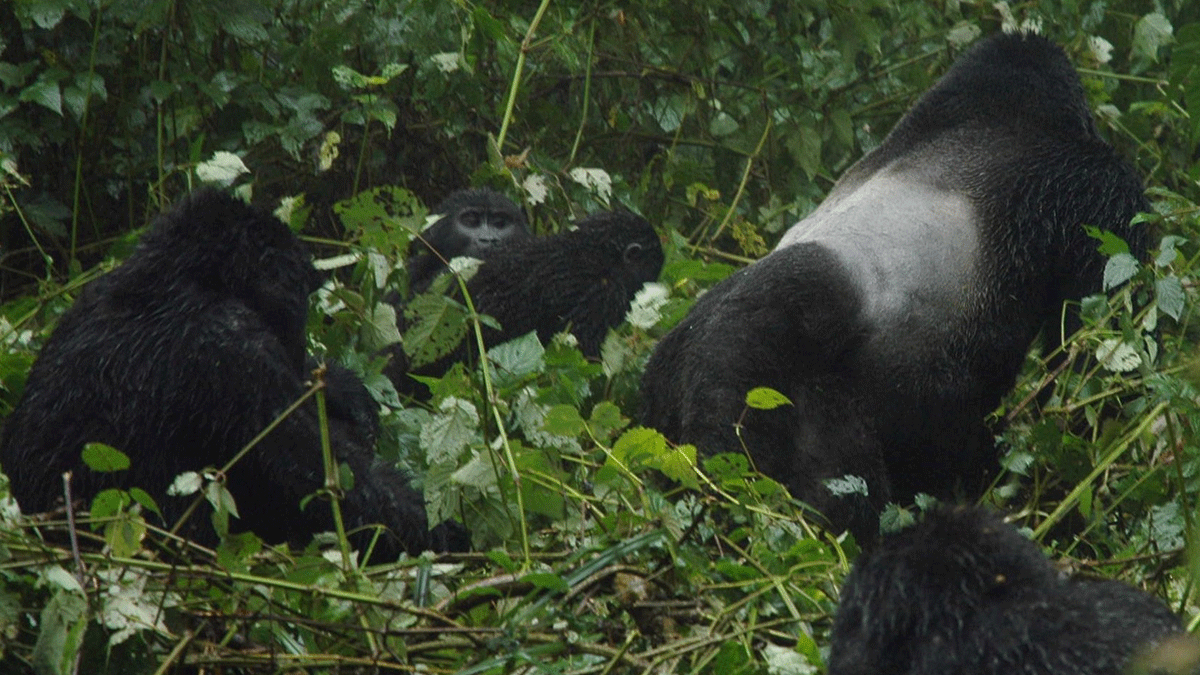
Habitat: High-altitude bamboo forests and montane rainforests of the Virunga Massif (spanning Uganda, Rwanda, and DRC) and Bwindi Impenetrable National Park in Uganda.
-
Physical traits: The shaggy-haired, large-bodied subspecies adapted to cold mountain climates. Silverbacks are easily recognized by their grey saddle of hair.
-
Population: Approximately 1,063 individuals (2018 census), making them one of the few great ape populations increasing in number—thanks to intensive conservation and responsible gorilla tourism.
-
Conservation status: Critically Endangered, but uniquely, their population is growing.
-
Tourism access: Only Mountain gorillas are available for trekking in Uganda and Rwanda, with well-established permit systems, experienced guides, and strict protocols to protect both gorillas and visitors.
2. Eastern Lowland Gorilla / Grauer’s Gorilla (Gorilla beringei graueri)
-
Habitat: Lowland and montane rainforests of eastern DRC, exclusively.
-
Physical traits: The largest of all gorilla subspecies, with males reaching up to 200 kg (440 lbs). They have shorter hair than Mountain gorillas and broader faces.
-
Population: Estimated between 3,800 and 6,800 individuals, but numbers have plummeted by over 70% in the last two decades due to civil conflict, mining, and poaching.
-
Conservation status: Critically Endangered.
-
Tourism access: Limited to Virunga National Park in DRC, where trekking is possible but less common due to security concerns. Not available in Uganda or Rwanda.
3. Western Lowland Gorilla (Gorilla gorilla gorilla)
-
Habitat: Lowland rainforests and swamp forests across West and Central Africa (Cameroon, Gabon, Congo, CAR, Nigeria).
-
Physical traits: Smaller and more slender than Eastern gorillas, with a preference for fruit and a more nomadic lifestyle.
-
Population: The most numerous subspecies, with estimates between 95,000 and 316,000, but populations are fragmented and declining.
-
Conservation status: Critically Endangered.
-
Tourism access: Very limited ecotourism opportunities due to remote habitats, political instability, and lack of infrastructure. Not a typical gorilla safari destination.
4. Cross River Gorilla (Gorilla gorilla diehli)
-
Habitat: Fragmented forests along the Nigeria–Cameroon border.
-
Physical traits: Similar to Western lowland gorillas but slightly smaller and with distinct skull morphology.
-
Population: The rarest of all gorillas, with only 250–300 individuals remaining.
-
Conservation status: Critically Endangered.
-
Tourism access: No established gorilla trekking programs; conservation efforts are focused on anti-poaching and habitat corridors.
Why Mountain Gorillas Are the Most Accessible
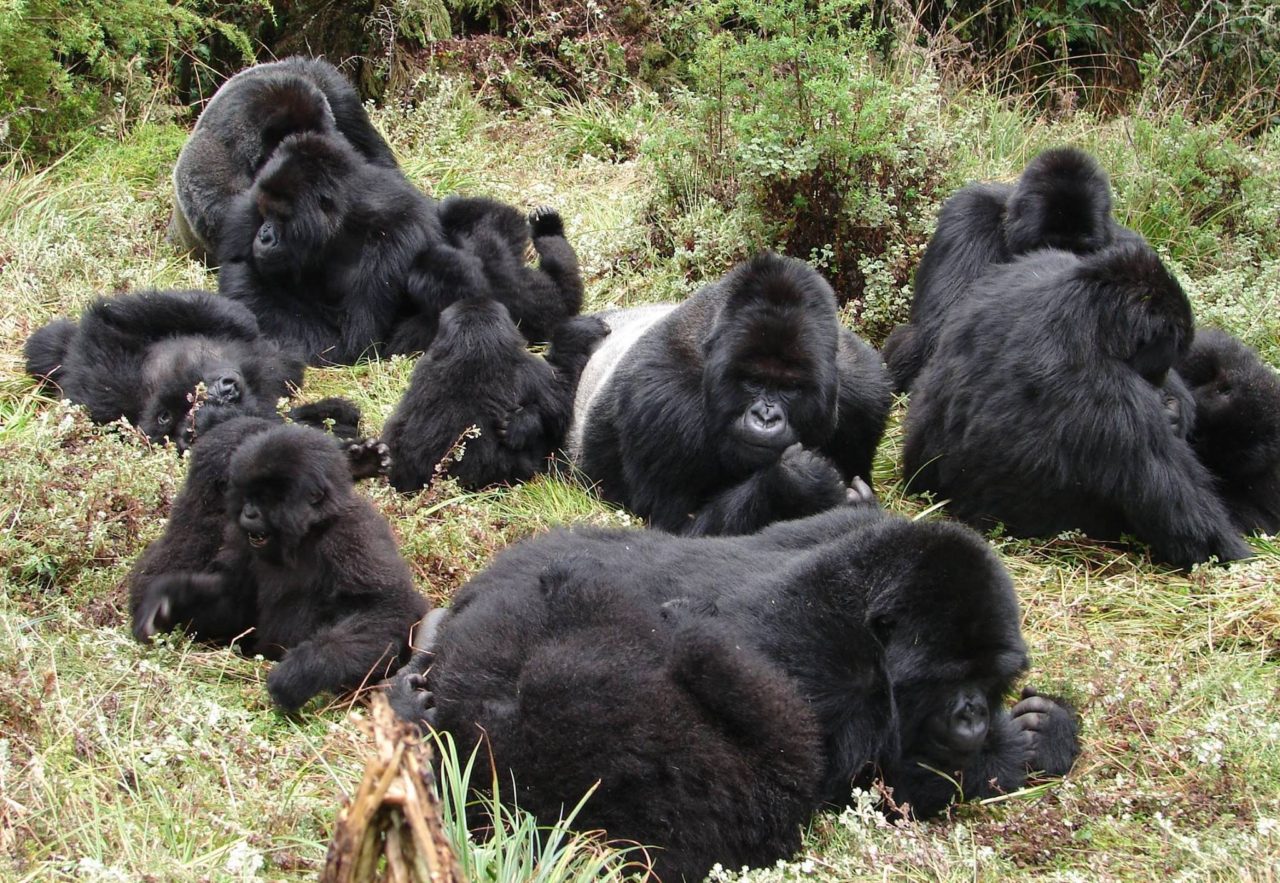
For safari travelers, Mountain gorillas are the only subspecies you can reliably trek in Uganda and Rwanda.
Their habituated families, protected park status, and well-managed tourism programs make them the ideal choice for a gorilla trekking adventure.
With Silverback Gorilla Tour, you’ll experience the thrill of meeting these gentle giants while directly supporting their ongoing recovery.
Where to See Gorillas in the Wild
Planning a gorilla trekking Uganda or a gorilla safari in Rwanda adventure? Here’s where you can encounter gorillas in their natural habitat—and why Silverback Gorilla Tour offers the best packages for these destinations.
Uganda: Bwindi & Mgahinga
-
Bwindi Impenetrable National Park: Home to nearly half of the world’s Mountain gorilla population, with 17 habituated families offering gorilla trekking permits. The park’s dense forest and rugged terrain make for an authentic, challenging trek.
-
Mgahinga Gorilla National Park: Smaller than Bwindi, with one habituated family. Ideal for travelers combining gorilla trekking with volcano hikes (Mount Sabinyo, Mount Gahinga, Mount Muhabura).
-
Permit cost (2025): $800 for foreign non-residents; $700 for foreign residents; UGX 300,000 for East African citizens. Gorilla habituation experience available for $1,500.
Rwanda: Volcanoes National Park
-
Volcanoes National Park: Part of the Virunga Massif, with 12 habituated Mountain gorilla families. Known for shorter, steeper treks and luxurious lodge options nearby.
-
Permit cost (2025): $1,500 for all international visitors (discounts sometimes available for groups or African Union citizens).
-
Best for: Travelers seeking a premium, streamlined Rwanda gorilla safari experience with excellent infrastructure.
DRC: Virunga National Park
-
Virunga National Park: Offers trekking for both Mountain gorillas and Grauer’s gorillas. However, security concerns and limited infrastructure make it a less common choice for most tourists.
-
Permit cost: Approximately $400–$500, but availability and safety vary.
West Africa: Limited Ecotourism
-
Western lowland and Cross River gorillas inhabit remote, politically unstable regions with minimal tourism infrastructure. While conservation-focused visits exist, they are not typical gorilla safari destinations.
Why Choose Silverback Gorilla Tour?
Silverback Gorilla Tour specializes in Uganda and Rwanda gorilla trekking, offering:
-
Exclusive access to habituated families
-
Small-group treks (max 8 per family per day)
-
Expert local guides with conservation training
-
All-inclusive packages (permits, transport, accommodation, meals)
Book your gorilla trekking adventure with Silverback Gorilla Tour today and experience the best place to see gorillas in the world.
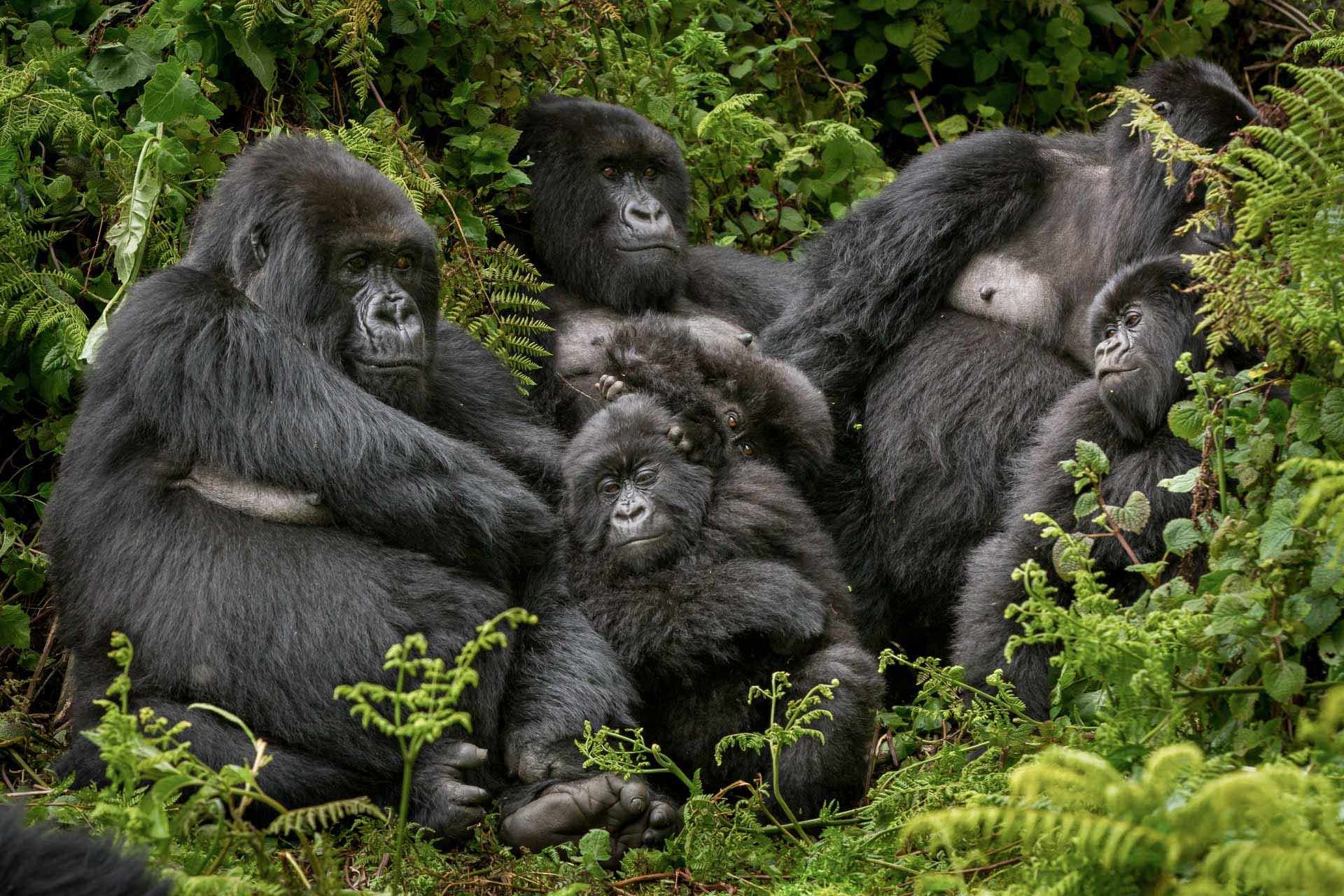
Gorilla Trekking Experience with Silverback Gorilla Tour
What sets Silverback Gorilla Tour apart from other operators? Our gorilla trekking permits and Uganda and Rwanda gorilla safari packages are designed for travelers who want more than just a checklist experience—they want connection, conservation, and comfort.
What Makes Us Different
-
Expert guides: Our trackers and guides are trained in gorilla behavior, conservation, and first aid. Many are from local communities and have years of experience in the parks.
-
Small groups: We limit group sizes to ensure minimal disturbance to gorillas and a more personal experience for you.
-
Conservation-focused: A portion of every booking goes directly to park authorities and community projects, ensuring your visit supports gorilla conservation.
Permit Costs & Best Time to Visit
-
Uganda permits: $800 (foreign non-residents), best booked 3–6 months in advance.
-
Rwanda permits: $1,500, with slightly better availability but higher cost.
-
Best time to visit: June–September and December–February (dry seasons) offer easier trekking conditions, though gorillas can be visited year-round.
What to Expect on a Trek
-
Duration: 2–8 hours of hiking, depending on gorilla family location
-
Viewing time: 1 hour with the gorillas (strictly enforced)
-
Difficulty: Moderate to strenuous; porters available for hire
-
Rules: Maintain 7–10 m distance, no flash photography, wear masks if ill
Ready to meet the gentle giants? Contact Silverback Gorilla Tour for an unforgettable gorilla trekking experience that combines adventure, luxury, and impact.
Conservation and Why It Matters
Gorillas face serious threats: habitat loss from agriculture and logging, poaching for meat and body parts, and disease (including Ebola and respiratory infections transmitted from humans).
Yet, thanks to conservation efforts funded by responsible gorilla tourism, Mountain gorilla populations are slowly recovering.
How Tourism Helps
-
Permit fees fund anti-poaching patrols, veterinary care, and habitat restoration.
-
Community benefits (schools, clinics, jobs) reduce local reliance on poaching and deforestation.
-
Research and monitoring are supported by tourism revenue, enabling long-term population tracking.
Your Role as a Responsible Tourist
-
Follow park rules (distance, masks, no feeding)
-
Choose operators like Silverback Gorilla Tour that prioritize conservation
-
Spread awareness: Your visit helps protect these magnificent primates
Conclusion
To recap: there are two species of gorillas (Eastern and Western) and four subspecies (Mountain, Grauer’s, Western lowland, and Cross River).
But for safari travelers, only Mountain gorillas are reliably trekable in Uganda and Rwanda—making these destinations the best place to see gorillas in the wild.
Ready to meet the gentle giants? Contact Silverback Gorilla Tour today to book gorilla trekking permits, plan your Uganda-Rwanda safari, and create memories that last a lifetime.
With expert guides, conservation-focused tours, and unforgettable encounters, your gorilla trekking adventure starts here.